
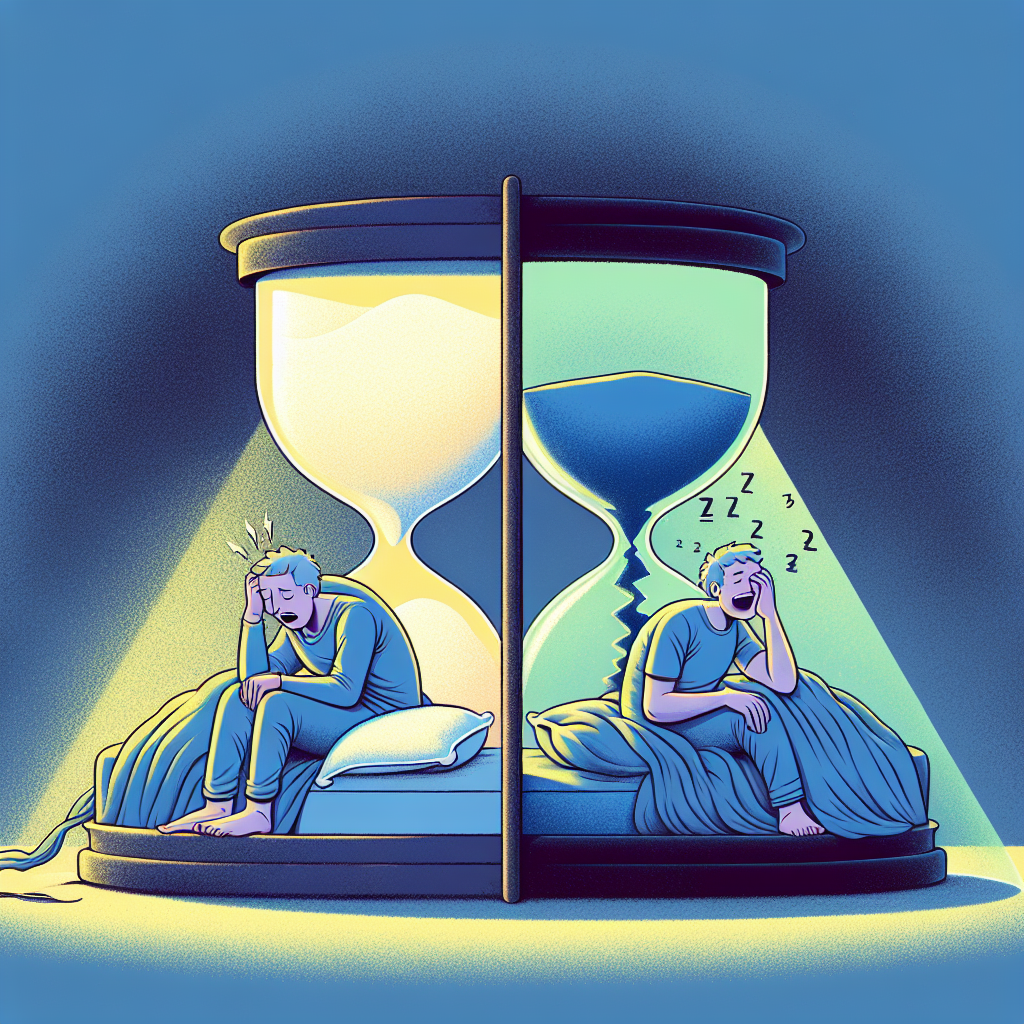
The Sleep-ED Connection: How Sleep Shapes Educational Success
In our fast-paced, constantly connected culture, sleep is often compromised in the pursuit of productivity. But sacrificing rest comes at a steep cost—especially for students and educators. According to the CDC, over 70% of high school students don’t get enough sleep on school nights. The result? A cascade of academic setbacks and emotional struggles. Welcome to the Sleep-ED Connection—your guide to understanding how a lack of sleep undermines performance both in and out of the classroom.
Why Sleep Is More Critical Than You Think
Sleep is not downtime for the brain. Instead, it’s one of the most active and essential processes for memory consolidation, emotional regulation, and physical regeneration. As Dr. Matthew Walker, sleep scientist and author of Why We Sleep, emphasizes: “Sleep is the single most effective thing we can do to reset our brain and body each day.”
When students learn new material during the day, sleep—especially deep sleep or REM—helps solidify that information by strengthening neural connections and transferring it from short-term to long-term memory. Without sufficient rest, that mental filing system breaks down.
Imagine a student attending a complex calculus lecture. If they stay up late cramming for another exam or scrolling through their phone, the brain doesn’t get the chance to store what they learned. By morning, it’s as though they never attended the class at all.
What Happens to Students Who Don’t Sleep Enough?
Sleep deprivation doesn’t just affect grades—it affects the whole person. Chronic sleep loss in teenagers and college students can lead to more than just daytime grogginess. A study published in the Journal of Youth and Adolescence found that teens who consistently sleep less than six hours nightly experience double the emotional distress of their well-rested peers.
Key consequences of sleep deprivation in students include:
– Reduced concentration: Tired students struggle with long lectures and complex assignments.
– Poor memory retention: Sleep is essential for consolidating new knowledge, so sleep-deprived minds forget easily.
– Heightened anxiety: Sleep loss disrupts emotional regulation, making stress harder to handle.
– Lower GPA: Students sleeping under seven hours nightly are far more likely to have a GPA below 2.0, according to the University of Georgia.
For example, a high school senior balancing AP classes, sports, and college prep who sleeps only five hours per night may find her efforts unrewarded. Despite putting in the hours, her sleep-deprived brain can’t retain or apply the material effectively.
Teachers Are Feeling the Sleep Strain Too
Education isn’t just challenging for students—teachers also face intense demands that cut into their rest. With early mornings, long classroom hours, and a mountain of grading to finish at night, many educators are burning the candle at both ends.
Research from the National Sleep Foundation shows that a significant number of educators get less than the recommended seven hours of sleep per night. The consequences?
– Decreased energy and engagement: Exhausted teachers may struggle to stay positive, focused, and creative in the classroom.
– Weakened decision-making: Fatigue hinders a teacher’s ability to interpret student needs and adjust teaching strategies.
– Increased burnout: According to EdWeek, 42% of teachers report experiencing frequent burnout—sleep deprivation often intensifies this experience.
Consider a passionate middle school educator staying up late to grade papers every night. Over time, she becomes less patient and misses important cues indicating a student is struggling. Her energy and empathy both take a hit.
How the School System Fuels Sleep Deprivation
While individuals suffer the effects of poor sleep, the educational system often contributes to the problem. Early school start times, extracurricular overload, and a culture that glorifies constantly being busy create conditions where sleep becomes undervalued.
The American Academy of Pediatrics recommends that middle and high schools begin no earlier than 8:30 AM to support healthy adolescent sleep cycles. However, many schools start much earlier, conflicting with the natural biological rhythms of teens.
The good news? When schools delay their start times, the results are impressive. For example:
– In districts that shifted start times later, attendance improved by 20% and test scores rose significantly.
– In Seattle, moving start times from 7:50 AM to 8:45 AM led to students getting an average of 34 more minutes of sleep. Grades and punctuality also improved notably.
These results underscore how institutional change can positively impact both academic performance and student well-being.
Five Proven Strategies to Improve Academic Sleep Health
Better sleep doesn’t require a complete lifestyle overhaul—small, intentional changes can yield big improvements. Here are five actionable steps students and educators can take:
1. Maintain a Regular Sleep Schedule
Go to bed and wake up at the same time every day, including weekends. This consistency helps regulate your internal body clock.
2. Create a Restful Sleeping Environment
Make your bedroom quiet, dark, and cool—ideally between 60–67°F. Avoid using your bed for studying, and eliminate distracting lights or noises from the room.
3. Cut Off Screens and Stimulants
Avoid caffeine after mid-afternoon. Put away devices at least one hour before bedtime to prevent melatonin disruption caused by blue light.
4. Practice Mindfulness and Relaxation
Engage in relaxing activities like reading, meditation, or light stretching before bed. Apps like Calm and Headspace offer guided sleep meditations to ease nighttime anxiety.
5. Support Policy Changes
Administrators and parents should support later start times, manageable homework loads, and school-wide education on sleep hygiene. Prioritizing rest is as important as promoting healthy eating or physical activity.
Shifting the Narrative: Sleep as a Superpower
In today’s achievement-obsessed world, staying up late is too often mistaken for hard work. But it’s time to change the mindset. Sleep is not a luxury—it’s a necessity. It affects cognitive function, emotional stability, and physical recovery.
As Dr. Roxanne Prichard, a neuroscience professor and sleep researcher, reminds us: “We have to stop thinking of sleep as optional—it’s vital to our students’ ability to learn and thrive.”
Whether you’re a student striving for academic excellence or a teacher dedicated to your students’ growth, sleep may be the most powerful, underutilized tool in your arsenal.
Let’s redefine what it means to work hard by starting with smart rest. Because when we recharge, we perform better—and the entire educational community benefits.
Helpful Resources
– CDC (2019). High School Students and Sleep Deprivation: https://www.cdc.gov/healthyyouth/data/yrbs
– Fredriksen, K. et al. (2004). Sleep Patterns and Emotional Distress Among Adolescents. Journal of Youth and Adolescence
– Wheaton, A. et al. (2016). School Start Times and Student Performance. CDC
– Walker, M. (2017). Why We Sleep: Unlocking the Power of Sleep and Dreams
– National Sleep Foundation (2023). Sleep in America Poll
– University of Washington (2020). Study on Later School Start Times and Academic Gains
– EdWeek (2022). Teacher Wellbeing Report
– For medical insights on sleep aids and improving sleep health, visit eDrugstore.com: https://www.edrugstore.com/sleep-health
Stay well-rested. Stay resilient. Unlock your full potential—starting with a good night’s sleep.
