
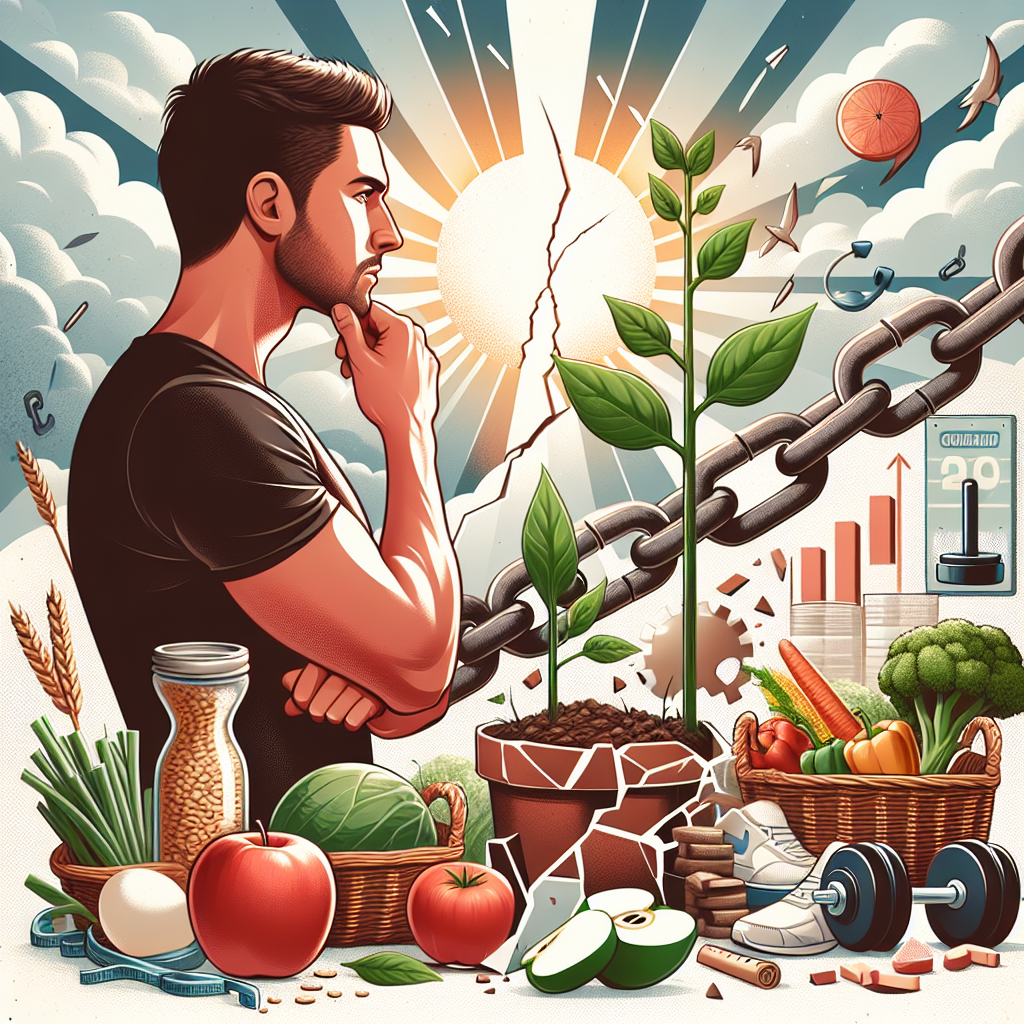
Porn-Induced Erectile Dysfunction: A Hidden Struggle Among Young Men
A growing number of young men today are battling an unexpected issue: erectile dysfunction. Traditionally associated with older adults and underlying health problems, ED is now increasingly being reported by healthy young men. What’s fueling this shift? Many experts believe online pornography may be a primary contributor. This condition—known as porn-induced erectile dysfunction (PIED)—is transforming how a new generation experiences intimacy, pleasure, and relationships. In this article, we’ll explore the causes of PIED, its impacts on mental and relational health, and the strategies men are using to recover.
What Is Porn-Induced Erectile Dysfunction?
Erectile dysfunction refers to the consistent difficulty in achieving or maintaining an erection firm enough for sexual intercourse. While ED has traditionally been linked to conditions like diabetes, hypertension, or cardiovascular disease, a different form of ED is emerging. Increasingly, young and otherwise healthy men are finding they can become aroused by online pornography, but struggle during real-life intimate interactions.
“Porn becomes a substitute for actual sexual experience,” explains Dr. Gary Wilson, author of Your Brain on Porn. Over time, overstimulation from fast-paced, high-intensity pornography trains the brain to respond to screens instead of human connection—diminishing natural arousal with real partners.
Supporting this view, a 2016 study in the Journal of Behavioral Sciences revealed that nearly 25% of men under 40 experienced some form of ED, with many connecting it directly to pornography consumption.
The Neuroscience Behind PIED
Why does this happen? Repeated exposure to pornography overstimulates the brain’s reward system, flooding it with dopamine—the chemical linked to pleasure and motivation. Over time, the brain builds tolerance and craves more intense or novel content to experience the same level of arousal. This escalation can make real-life sexual encounters feel flat or uninteresting by comparison.
Porn-induced ED often results from this altered neural wiring. The brain becomes conditioned to link sexual excitement with pixels, not people—making it harder to perform when connection and vulnerability are required.
Digital Accessibility and the Rise of Early Exposure
Never before has pornography been so accessible. Thanks to smartphones, high-speed internet, and thousands of free adult sites, explicit content is available on-demand, 24/7. This sharpens the gap between how today’s generations encounter sexual stimuli and how previous generations were exposed.
According to the American Psychological Association, the average age for first exposure to pornography is now just 11 years old. Early and frequent exposure deeply shapes sexual expectations and perceptions before most teens even engage in real-world intimacy.
Many young people today turn to porn not just out of curiosity or pleasure, but as an informal means of sex education. Unfortunately, pornography often presents exaggerated, unrealistic, and emotionally disconnected versions of sex, distorting what intimacy really looks and feels like.
When Expectations and Reality Collide
A teenager regularly watching hyper-stimulating scenes may come to expect that all sexual experiences should mirror that intensity. When real-life intimacy occurs—requiring mutual vulnerability, communication, and emotional presence—it can feel unexciting or even intimidating. Anxiety or disinterest may set in, triggering erectile difficulties that weren’t present before.
The disconnect between screen-based sexual content and real-world encounters leads to confusion and underperformance. This can set the stage for long-term psychological and emotional challenges.
The Emotional Weight of Porn-Induced ED
Beyond the physical symptoms, PIED can carry a heavy emotional burden. Many young men feel deep embarrassment, confusion, or shame when confronted with unexpected erection problems. They may avoid opening up to partners or medical professionals, choosing silence over discomfort.
“In clinical settings, we often see performance anxiety accompanying cases of PIED,” says Dr. Abraham Morgentaler, founder of Men’s Health Boston. “Sadly, that anxiety can reinforce the problem, making erectile issues even worse.”
Relationships can also be negatively impacted. Partners may misinterpret the situation, questioning their attractiveness or the health of the relationship. Meanwhile, the person with ED might withdraw socially, fearing further humiliation or failure. This breakdown in communication erodes trust and intimacy—further perpetuating the cycle.
When Porn Becomes a Coping Mechanism
Those struggling with PIED may begin to rely even more on pornography as a form of comfort or self-validation. This can deepen the dysfunction and lead to porn dependency. Over time, some individuals begin to prefer solo stimulation to avoid the vulnerability of human connection altogether.
As intimacy becomes more difficult and isolated habits increase, loneliness and depression often follow. This emotional spiral can be difficult to reverse without intentional intervention.
Healing Through “Rebooting”: The Path to Recovery
The good news is that many men are successfully regaining their sexual health through a process called “rebooting” or performing a “porn detox.” This involves cutting out pornography—and sometimes masturbation—for a period of time to allow the brain’s reward system to reset and reconnect with natural arousal triggers.
Recovery can be uneven. Many men experience what’s called a “flatline” phase—where sexual desire and functioning drop temporarily. While frustrating, this is a normal part of healing. Over time, many report:
– Improved sexual performance with partners
– Greater emotional connection and confidence
– Healthier and more fulfilling relationships
Support Networks Make a Difference
Strong support systems enhance the likelihood of recovery. Online communities like NoFap, Reboot Nation, and various mental health platforms offer valuable peer support, resources, and accountability.
“Rewiring your brain from porn is not easy,” says Gabe Deem, founder of Reboot Nation. “But thousands of men will tell you—it’s worth it.”
For those with persistent ED symptoms, medical consultation may also be beneficial. Supplements or medications such as sildenafil (commonly known as Viagra) can offer temporary relief. Always consult with a licensed medical provider— reputable platforms like eDrugstore.com offer secure, online consultations.
Changing the Conversation Around Male Sexuality
To tackle the growing issue of PIED, culture must embrace open, honest dialogue about male sexuality. Young people deserve comprehensive sex education that covers not just anatomy and safety, but emotional connection, realistic expectations, and healthy arousal.
Shame and secrecy only worsen the problem. Instead, we must empower young men to explore their sexuality with curiosity and self-awareness. Parents, educators, and clinicians all play a crucial role in cultivating these conversations early and effectively.
“As a society, we’ve failed to talk openly about the impact of porn,” says Dr. David Ley, clinical psychologist and author of Ethical Porn for Dicks. “When we educate early, we reduce the risk and promote better choices.”
A Wake-Up Call for the Digital Generation
Porn-induced erectile dysfunction is a sign of deeper changes in how today’s young men relate to intimacy, sex, and technology. As digital media continues to shape sexual behavior, it’s vital to support those who are struggling and guide them back to meaningful, authentic human connection.
Through better education, open discussion, and resources for recovery, a generation can break free from the cycle of dependency on screen-based arousal. Sexual health isn’t just about performance—it’s about connection, presence, and trust.
If you or someone you know is experiencing signs of porn-related erectile dysfunction, don’t face it alone. Consult a medical professional, access trusted platforms like eDrugstore.com, and consider joining support communities like NoFap or Reboot Nation. Recovery is possible—and it begins with one honest conversation.
