
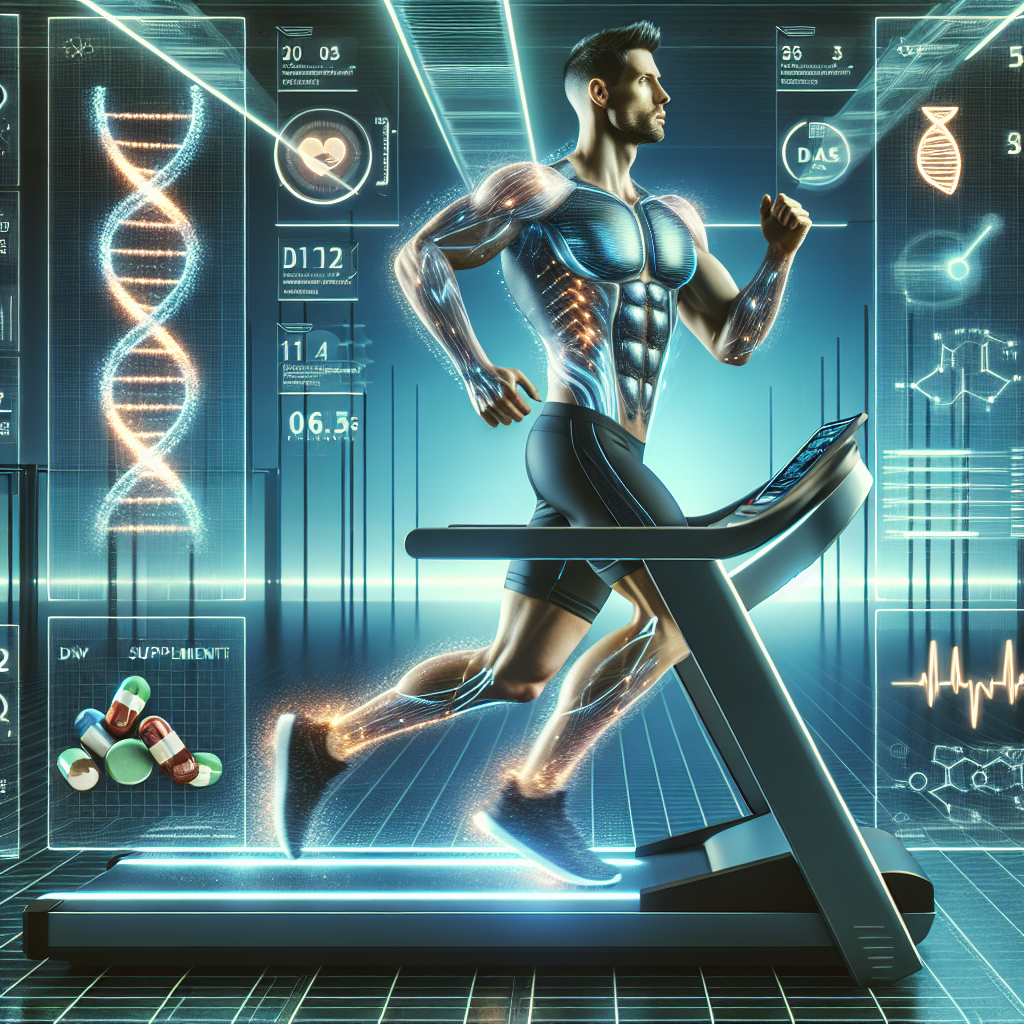
Biohacking Male Performance: What Works and What’s Just Hype
The Rise of Biohacking for Men’s Health and Performance
In recent years, the popularity of biohacking has surged among men aiming to improve their mental and physical performance. From busy professionals to athletes, more men are exploring innovative ways to increase energy, enhance brain function, and even improve libido—all through science-based strategies.
However, with a flood of new supplements, tech gear, and health protocols being marketed as miracle solutions, it’s easy to get overwhelmed. So, how do you distinguish between effective strategies and those that are just marketing fluff?
Understanding Biohacking: The Basics
Biohacking is often described as “do-it-yourself health optimization.” At its core, it’s about using nutrition, exercise, supplements, and technology to make your body and mind perform at their best. Some approaches are basic—like cutting out sugar or getting more sleep—while others involve wearable tech and cognitive enhancers.
Dr. Mark Hyman, a functional medicine expert, explains: “Biohacking is about becoming the CEO of your own health. It’s data-driven self-care.” (Source: Cleveland Clinic)
For men, practical biohacks can support a range of goals—from naturally boosting testosterone and increasing muscle mass to sharpening focus and improving sexual health. But not all hacks are equally effective.
Top Biohacks That Actually Work for Men
Optimize Your Sleep to Enhance Performance
Sleep is one of the most powerful, yet overlooked, performance enhancers. Poor sleep diminishes testosterone, weakens recovery, and impairs cognitive function. A study published in JAMA found that young men who slept only five hours per night for one week experienced a 10 to 15 percent drop in testosterone levels.
To improve sleep quality and recovery:
– Stick to consistent bed and wake times
– Limit screen time and use blue-light blocking glasses in the evening
– Keep your bedroom cool, quiet, and dark
– Avoid caffeine in the afternoon
Tech like the Oura Ring can help track sleep cycles and heart rate variability to optimize recovery.
Strength Training for Testosterone and Muscle Growth
Lifting weights isn’t just about aesthetics—it’s a proven way to naturally increase testosterone levels. Compound exercises like squats, deadlifts, and pull-ups activate large muscle groups and stimulate hormone production.
Research from the Journal of Strength and Conditioning Research showed a 30 percent increase in free testosterone after just four weeks of consistent resistance training.
Maximize your strength training by:
– Aiming for 3–5 sessions per week
– Consuming 1.2–2.0 grams of protein per kilogram of body weight daily
– Incorporating rest days for hormonal recovery
– Refueling with balanced meals rich in complex carbs and lean protein
Cold Exposure for Resilience and Hormone Support
Cold therapy, including ice baths and cold showers, has become popular for its potential to reduce inflammation, improve mood, and support hormonal function. It’s often credited with increasing norepinephrine—a hormone linked to focus and drive.
Easy ways to implement cold exposure:
– Start your day with a 2–4 minute cold shower
– Take a 10-minute ice bath at temperatures between 50–59°F (10–15°C) after workouts
Though more research is needed, many men report feeling more energetic and alert after consistent cold exposure.
Intermittent Fasting for Hormone and Metabolic Health
Intermittent fasting (IF), especially the 16:8 method, is a structured eating window that can enhance fat burning, hormone regulation, and focus.
Some evidence suggests that IF boosts growth hormone levels in men, aiding in fat loss and muscle repair. A popular format includes eating between 12 PM and 8 PM and fasting the rest of the day.
Tips for effective fasting:
– Stay well-hydrated
– Eat high-protein, nutrient-dense meals during eating windows
– Adjust based on your activity level and energy needs
If you have specific health concerns or are highly active, consult a healthcare professional before starting IF. For medical support and medications, visit edrugstore.com.
Nootropics and Smart Supplements to Sharpen Your Mind
Nootropics, or cognitive enhancers, are increasingly used by men to boost mental performance. Safe, legal options such as L-theanine, creatine, alpha-GPC, and Rhodiola Rosea may improve focus, reduce stress, and support memory.
According to a 2020 study in Nutrients, 200 mg of L-theanine helped reduce stress and improve attention under pressure.
Simple starter stack:
– Combine 90–150 mg of caffeine with 100–200 mg of L-theanine for smooth focus
– Take Rhodiola in the morning for stamina and reduced fatigue
– Use 5 grams of creatine monohydrate daily for cognitive and physical benefits
Biohacks to Approach with Caution
Testosterone Boosters May Not Deliver
Many over-the-counter testosterone supplements are filled with herbal blends that lack credible evidence. While vitamins like zinc, D3, magnesium, and herbs like ashwagandha can help if you’re deficient, most testosterone boosters don’t significantly raise levels in healthy men.
Dr. Shalender Bhasin, a testosterone expert, notes: “There’s limited evidence that over-the-counter T-boosters make a clinical difference.” (Harvard Men’s Health Watch)
Red Light Therapy: Promising but Unproven
Red light therapy is gaining hype in the wellness space, especially for claims that it can increase testosterone by applying red light to the testes. Although red light has shown potential for reducing inflammation and improving skin health, there is currently minimal clinical evidence supporting its impact on hormones.
Wearable Overload and Data Confusion
Tracking devices like smartwatches and rings provide valuable insights, but too much monitoring can lead to stress and decision fatigue. Rely on long-term trends rather than obsessing over daily fluctuations in heart rate variability (HRV) or sleep scores.
Use data for guidance, not perfection.
Pricey Wellness Tech: Worth It?
Devices like cryotherapy chambers and hyperbaric oxygen tanks tout high-end health claims. While they can offer wellness benefits, their high cost and limited accessibility make them unnecessary for most men.
If you’re not sleeping enough or following a healthy diet, no expensive tech will compensate.
Final Thoughts: The Power of Simple, Science-Backed Biohacks
You don’t need exotic supplements or high-tech equipment to enhance your performance. The most effective biohacks for men are those rooted in science and consistency.
Prioritize:
– Strength training several times a week
– Quality sleep of 7-9 hours per night
– Clean, balanced meals and proper hydration
– Basic interventions like intermittent fasting and stress reduction techniques
Once the fundamentals are in place, you can explore more advanced biohacks—ideally with guidance from a healthcare professional. And if sexual health or performance is a concern, speak with a licensed provider at edrugstore.com.
Get Started: Build Your Personalized Biohacking Routine
Choose one or two proven biohacks that align with your specific goals. Monitor your progress with simple metrics like energy, strength, or focus. Adjust your routine as needed and stay curious about what works best for you.
Remember, meaningful results come from consistent effort and thoughtful self-awareness.
Stay sharp. Stay strong. Hack smart.
References
– Leproult, R., & Van Cauter, E. (2011). Effect of 1 week of sleep restriction on testosterone levels in young healthy men. JAMA.
– Schoenfeld, B. J., et al. (2012). Resistance training and hormones: The role of strength training in hormonal regulation. Journal of Strength and Conditioning Research.
– Higashida, A., et al. (2020). L-Theanine Reduces Stress and Increases Focus: A Randomized Controlled Trial. Nutrients.
– Bhasin, S. (2010). Testosterone and muscle performance: from animal studies to human trials. Harvard Health.
– Cleveland Clinic: What is Biohacking?
