
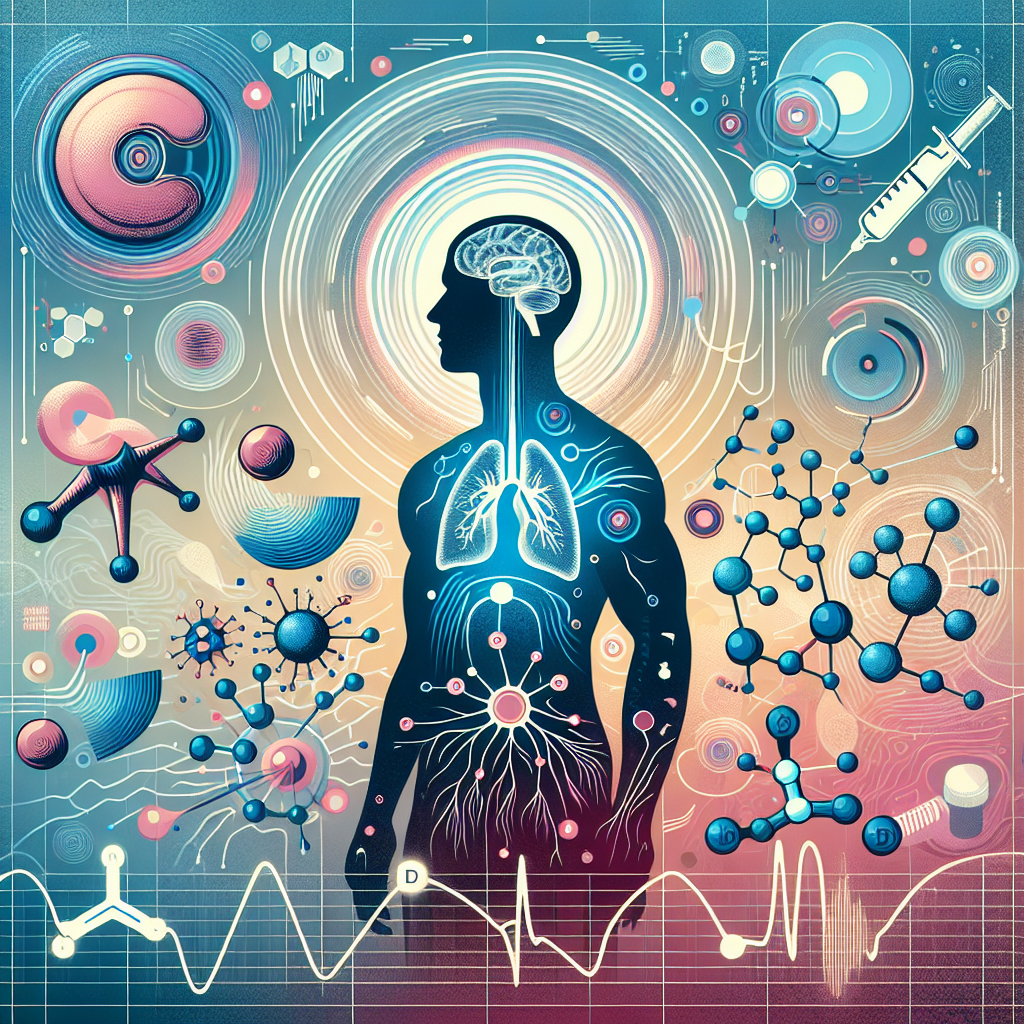
The Power of Dopamine: Fueling Male Arousal and Sexual Motivation
When it comes to enhancing male sexual health and maintaining lasting motivation, brain chemistry plays a crucial role. At the heart of this dynamic is dopamine—commonly referred to as the “feel-good” neurotransmitter. However, dopamine does much more than trigger pleasure. It also acts as a critical driver of desire, helping men initiate and sustain interest in sexual connections. Studies have found that dopamine is one of the most powerful natural enhancers of male libido and motivation. Understanding how dopamine supports intimacy is key to improving both mental outlook and sexual performance.
What Is Dopamine and Why Does It Matter?
Dopamine is a neurotransmitter—a chemical messenger that helps transmit signals within the brain. It influences everything from emotion and focus to movement and, most importantly for men, the body’s system of motivation and sexual reward. Produced primarily in areas like the substantia nigra and ventral tegmental area, dopamine bridges the gap between thought and action. It supports the motivation to pursue physical goals, including romantic or sexual relationships.
“Dopamine functions like the fuel behind desire,” says Dr. Jordan Geller, a hormone and brain health specialist. “When dopamine falls, it becomes difficult to feel motivated—especially in sexual contexts.”
Everyday activities that bring joy—such as exercising, enjoying music, eating, or flirting—can stimulate dopamine production, reinforcing behaviors that lead to emotional and physical satisfaction.
How Dopamine Influences Sexual Arousal in Men
Dopamine plays an essential role in male sexual arousal through its connection to the brain’s reward circuitry. During sexual stimulation, dopamine activity increases significantly in an area called the nucleus accumbens—essential for learning and pleasure processing. A 2017 study published in Current Sexual Health Reports found that men with higher dopamine levels reported stronger arousal, a greater sex drive, and more frequent sexual satisfaction.
This creates a positive feedback loop: thoughts or actions related to intimacy trigger dopamine surges, which increase anticipation and arousal, ultimately enhancing the physical and emotional experience of sex.
Understanding Dopamine’s Link to Male Sexual Drive
Dopamine is often mistaken as purely a pleasure chemical. In reality, it’s better described as a motivator. It is primarily released in anticipation of reward rather than the reward itself.
“Dopamine is primarily about the pursuit, not the prize,” explains neuroscientist Dr. Anna Lembke, author of Dopamine Nation.
When it comes to male sexual drive, dopamine is crucial for:
– Feeling attracted to a partner or pursuing intimacy
– Initiating sexual encounters
– Keeping interest alive in a long-term relationship
Low dopamine levels can dramatically reduce sexual desire. This is especially evident in men suffering from depression or certain neurological conditions like Parkinson’s disease. Over 60% of men with depression report decreased libido, often linked to lower dopamine activity. Some medications, like selective serotonin reuptake inhibitors (SSRIs) and antipsychotics, further reduce libido by blocking dopamine receptors or altering its balance in the brain.
Dopamine and Other Chemicals: Finding Balance for Better Libido
While dopamine is pivotal, it doesn’t operate alone. Other neurotransmitters and hormones can either support or hinder its effects, especially in the realm of sexual function.
– Serotonin: Often known for mood stabilization, excess serotonin can reduce libido. This is why SSRIs are commonly associated with delayed ejaculation and lower arousal.
– Oxytocin: Known as the bonding hormone, it’s released after orgasm to promote closeness. However, it doesn’t initiate sexual desire.
– Testosterone: Although not a neurotransmitter, testosterone boosts the sensitivity of dopamine receptors. This hormonal support makes men more responsive to dopamine’s signals and more motivated to act on them.
Healthy sexual function often relies on maintaining the right balance between these chemicals, not just increasing one in isolation.
Lifestyle Habits That Naturally Boost Dopamine and Sexual Drive
Your daily lifestyle choices significantly affect dopamine levels—and by extension, your motivation and sex life. Here are simple yet powerful practices to support healthy dopamine production and enhance male performance naturally:
1. Exercise Regularly
Consistent physical activity increases both dopamine and testosterone. According to a study, men who exercised frequently saw a 30% rise in sexual satisfaction.
2. Prioritize Quality Sleep
Sleeping well helps preserve dopamine receptor sensitivity, keeping you energized and sexually responsive.
3. Eat for Dopamine Support
Include foods rich in tyrosine—an amino acid that fuels dopamine production. Great options include chicken, eggs, soy, fish, legumes, and dairy.
4. Manage Stress Effectively
Chronic stress wears down your dopamine system. Use techniques like mindfulness, deep breathing, and relaxation to restore balance.
5. Avoid Overstimulation
Overuse of digital content like pornography can dull dopamine receptors and reduce natural arousal. Moderate your exposure to help reset dopamine sensitivity and boost real-life intimacy.
Can Supplements Increase Dopamine for Sexual Health?
In certain cases, supplements can help support dopamine production—especially when used in conjunction with a healthy lifestyle. Some popular options include:
– L-Tyrosine: A direct precursor to dopamine synthesis
– Mucuna Pruriens: A natural source of L-DOPA that may enhance dopamine levels
– Rhodiola Rosea: An adaptogenic herb that combats fatigue and could support libido
However, supplements should complement—not replace—lifestyle improvements. “Focus on nutrition, stress reduction, and sleep first,” says Dr. John Harvey, a clinical pharmacologist. “Supplements can be helpful, but they’re not a substitute for foundational wellness.”
Always consult a healthcare provider before starting any supplement—especially if you’re currently taking medication or managing hormonal issues. If pharmaceutical side effects are lowering your libido or motivation, consult a medical professional or explore telehealth options offered by services like eDrugstore for tailored solutions.
Conclusion: Boosting Dopamine to Reignite Drive and Confidence
Dopamine plays a foundational role in male sexual well-being, from initiating desire to achieving satisfaction. But its benefits go far beyond the bedroom—supporting motivation, energy, and an overall zest for life.
By learning how this powerful neurotransmitter impacts libido and behavior, men can make informed decisions to naturally elevate performance and emotional connection. Whether through lifestyle upgrades, nutritional support, or guided supplementation, optimizing dopamine may be the key to reclaiming not just sexual vitality, but daily energy and confidence too.
Take Control of Your Health Today
Noticing changes in mood, motivation, or libido? Start with your habits—improve your sleep, move your body often, nourish yourself with dopamine-friendly foods, and keep daily stress in check.
When lifestyle adjustments aren’t enough, explore professional guidance through trusted providers or telehealth platforms like eDrugstore.com for medical support designed to improve male performance naturally and confidently.
References
1. Melis, M. R., & Argiolas, A. (2011). Dopamine and sexual behavior. Neuroscience & Biobehavioral Reviews
2. Dr. Jordan Geller. (2020). Hormonal balance and neurotransmitter activity
3. Krüger, T. H. C., & Hartmann, U. (2017). Dopamine and sexual function in men. Current Sexual Health Reports
4. Lembke, A. (2021). Dopamine Nation: Finding Balance in the Age of Indulgence
5. Clayton, A. H., & Montejo, A. L. (2006). Sexual dysfunction and depression
6. Esposito, K. et al. (2004). Effect of lifestyle changes on erectile dysfunction in obese men. JAMA
7. Kühn, S., & Gallinat, J. (2014). Brain structure and functional connectivity associated with pornography use
8. Dr. John Harvey. (2022). Neurochemistry and libido: Clinical perspectives
