
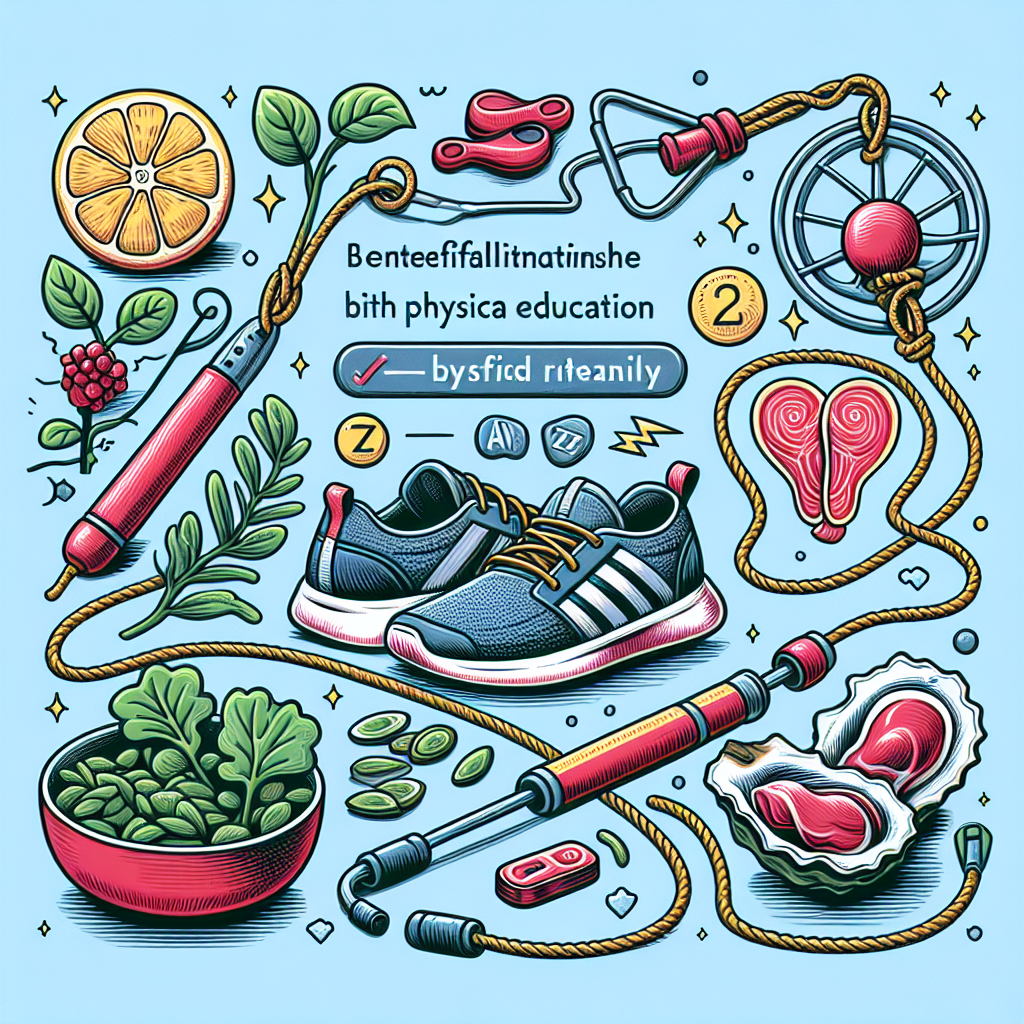
Zinc and PE – Can This Mineral Really Make a Difference?
The Overlooked Mineral for Performance Enhancement
In nutritional science, zinc often remains underappreciated compared to attention-grabbing nutrients like vitamin D or omega-3s. However, this essential trace mineral supports a range of vital functions—from strengthening your immune system to helping maintain hormonal balance.
But when it comes to enhancing stamina, libido, or sexual performance—frequently lumped under the term “PE” for performance enhancement—can zinc really deliver?
Let’s explore the growing body of scientific evidence on why zinc might be more important than you think.
What Zinc Does: More Than Just Immunity
Zinc is an essential micronutrient your body can’t produce on its own, so it must be obtained through food or supplements. According to the National Institutes of Health, zinc plays a role in over 300 enzymatic reactions, supporting cellular repair, DNA synthesis, immunity, and wound healing.
Dr. Michael Greger, a leading physician and nutrition expert, explains, “Even mild zinc deficiency can impair immune responses and disrupt hormonal health in ways that aren’t immediately obvious.”
Beyond boosting your immune system, zinc offers real benefits for male reproductive function and hormone regulation.
How Zinc Influences Testosterone and Libido
One of the standout ways that zinc supports male health is through its role in maintaining healthy testosterone levels. This crucial hormone affects everything from energy and muscle mass to libido and confidence.
A clinical study published in the journal Nutrition found that reducing zinc intake in young males led to nearly a 75% drop in testosterone levels over 20 weeks. Conversely, older men who supplemented with zinc experienced measurable increases in testosterone.
Zinc deficiency may contribute to:
– Decreased sex drive
– Persistent fatigue
– Mild symptoms of erectile dysfunction
Before turning to medications, it may be wise to assess your zinc intake as a natural and accessible first step.
Can Zinc Support Better Erectile Function?
While testosterone is essential, there’s more to sexual performance than hormone levels. Erectile function heavily relies on circulatory health—and zinc supports this too.
Zinc aids in regulating nitric oxide, a molecule essential for blood vessel dilation and healthy circulation. Enhanced blood flow, including to the genitals, supports better erections and stamina.
Dr. Andrew Weil, a pioneer in integrative medicine, notes, “Zinc supports endothelial function, and that’s important for cardiovascular health and erectile function alike.”
Additionally, zinc’s antioxidant properties help combat oxidative stress, promoting long-term vascular and nerve health—both critical for lasting sexual performance.
For example, men under chronic physical or mental stress, including athletes, often deplete zinc more quickly, which can increase the risk of erectile issues over time.
Zinc’s Underrated Role in Athletic Performance
If you’re looking to boost stamina in the gym or recover faster post-workout, zinc might be your secret weapon. Athletes, bodybuilders, and those who sweat heavily lose zinc more rapidly, increasing their likelihood of deficiency.
A study featured in the American Journal of Clinical Nutrition found that individuals with optimal zinc levels saw improvements in muscle strength, workout recovery, and exercise tolerance.
Supplementing with zinc may support:
– Faster recovery times
– Reduced post-workout fatigue
– Healthy testosterone levels during intense training phases
Even if you’re an occasional runner or weekend warrior, paying attention to your zinc levels can help enhance your training results naturally.
Warning Signs of Zinc Deficiency
Even in relatively healthy individuals, marginal zinc deficiency can hinder performance. You may be particularly at risk if you fall into one of these groups:
– Older adults
– Vegetarians and vegans
– Individuals with digestive disorders such as Crohn’s or IBS
Common symptoms include:
– Low libido or trouble with sexual performance
– Chronic tiredness
– Frequent illnesses like colds
– Thinning hair
– Poor wound healing
– Diminished sense of taste or smell
If you notice multiple symptoms, consider consulting your doctor or getting your zinc levels tested.
How Much Zinc Do You Actually Need?
The Recommended Dietary Allowance (RDA) for zinc is:
– Men: 11 milligrams per day
– Women: 8 milligrams per day
Excellent dietary sources of zinc include:
– Oysters (the most zinc-rich food available)
– Red meat and poultry
– Beans and lentils
– Nuts, seeds, and whole grains
– Dairy products
Vegetarians and vegans may absorb less zinc due to phytates in plant foods that inhibit mineral absorption. In these cases, supplementation may be beneficial.
Important caution: Consuming more than 40 milligrams of zinc per day over a long period can cause side effects like nausea, headaches, digestive upset, and even copper deficiency. Always follow recommended guidelines.
The Takeaway: Can Zinc Really Improve Performance?
Yes—scientific evidence backs zinc’s role in regulating testosterone, improving libido, boosting exercise recovery, and even sharpening mental focus.
However, it’s important to remember that zinc is not a magic bullet. It produces the best results when combined with a well-rounded lifestyle that includes strength training, adequate sleep, and a nutrient-rich diet.
If you’re feeling off your game—whether in the gym, at work, or in intimate settings—checking your zinc levels might be the simple solution you’ve been missing.
Quick Tips for Optimizing Zinc Intake
– Aim for at least 11 milligrams of zinc daily through food or supplements
– Focus on zinc-rich foods like oysters, beef, pumpkin seeds, and chickpeas
– Watch for deficiency signs, especially if you are over 50 or follow a vegetarian diet
– Avoid going over 40 milligrams per day unless advised by a healthcare professional
– Pair zinc with magnesium and B vitamins for enhanced performance and recovery
Final Thoughts: A Small Mineral with a Big Impact
Zinc may be a micro-nutrient, but its effects on your health, energy, and performance are anything but small. From the gym to the bedroom, ensuring adequate zinc intake can help restore vitality and confidence.
Start integrating zinc-rich choices into your daily routine and consult a healthcare provider if you suspect a deficiency. Sometimes, the smallest adjustments pave the way for the most significant changes.
References
1. Prasad AS, et al. (1996). Zinc status and serum testosterone levels of healthy adults. Nutrition, 12(5), 344-348.
2. Cordova A, et al. (2013). Physical activity, stress, and zinc status. Journal of Sports Sciences, 31(17), 1738-1747.
3. National Institutes of Health – Office of Dietary Supplements (2021). Zinc Fact Sheet for Health Professionals.
