
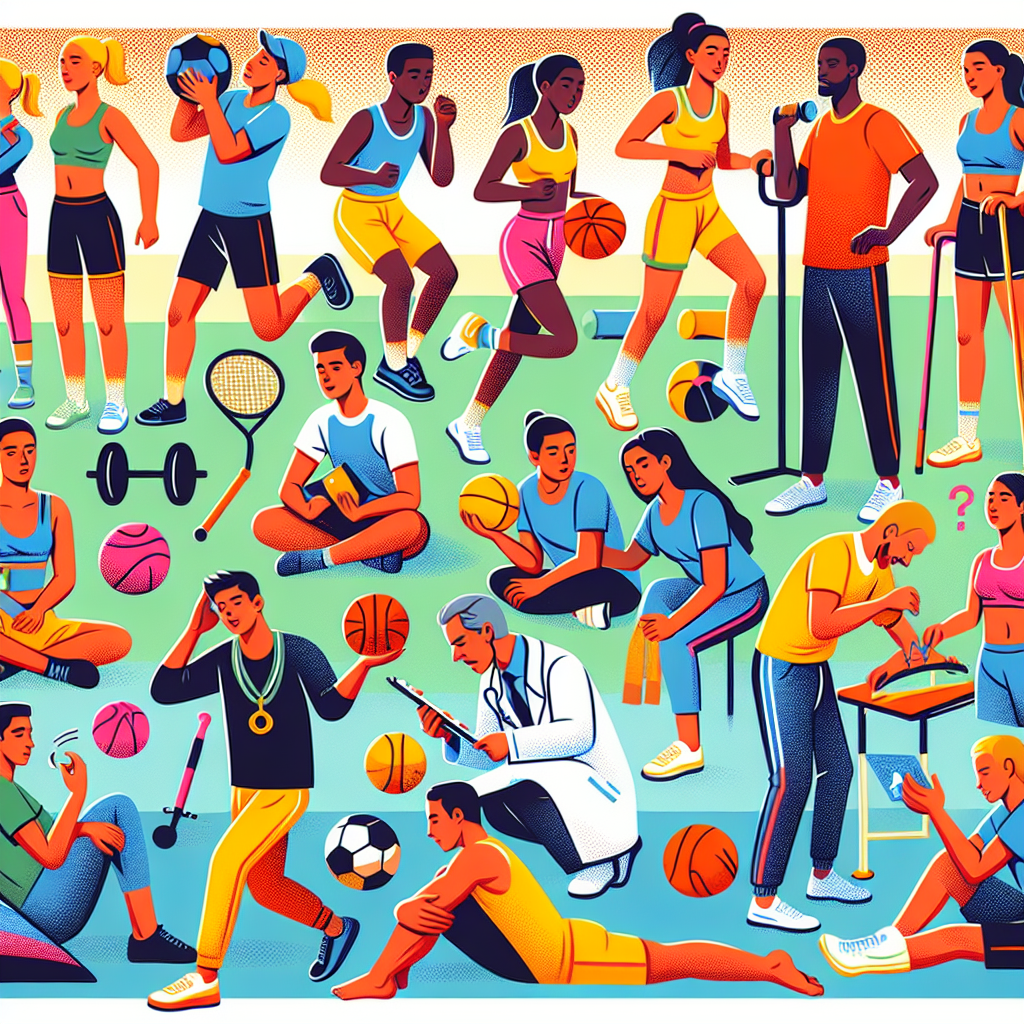
Physical Education in a Diverse World: Setting the Stage
In today’s increasingly diverse educational environments, Physical Education (PE) plays a pivotal role in supporting students’ physical, social, and emotional development. Unlike core academic subjects, PE offers a unique lens into student behavior, collaboration, and adaptability. However, in multicultural settings, the PE experience often becomes shaped by unseen expectations, cultural misunderstandings, and social pressures. Addressing these challenges is essential to create inclusive, respectful, and equitable learning environments.
The Cultural Lens in the PE Classroom
Culture deeply influences how students approach activities, authority, and communication in school—particularly in PE. These cultural norms can drastically impact how students respond to movement, competition, and peer interaction.
In many Western cultures, assertiveness and competition are encouraged. Conversely, students from collectivist societies, such as Japan or Nigeria, may value group harmony and avoid self-promotion. A student who refrains from leading a group exercise may not be disengaged or shy—they may simply be acting in accordance with deeply rooted cultural values.
Unfortunately, a lack of cultural awareness can result in misjudgments. A student who stands quietly during a game might be unfairly labeled as unmotivated, when in fact they’re adhering to norms of modesty. As Dr. Geneva Gay, a leading educator in culturally responsive teaching, notes, “Cultural ignorance can be just as damaging as intentional bias in the classroom.”
The Pressure to Assimilate in Physical Education
For some students, PE becomes a space not of joy and movement, but a source of pressure to conform. Traditional Western-centered PE programs often come with high-stakes testing, uniform requirements, and a heavy emphasis on sports unfamiliar to non-Western students.
Uniforms, as a case in point, can present major barriers. For students who follow cultural or religious guidelines for modesty—such as those in Islamic, Orthodox Jewish, or some Christian communities—shorts and sleeveless shirts may conflict with personal values. Unfortunately, when students advocate for alternatives like long sleeves or head coverings, they are often met with resistance over supposed concerns of safety or uniformity.
A 2022 report by Edutopia revealed that 28% of students from multicultural backgrounds have skipped PE due to uncomfortable uniform policies or changing room expectations. When proper accommodations aren’t made, these students are often unfairly categorized as uncooperative or lacking participation, which can negatively impact their grades and self-confidence.
U.S.-Centric Sports and Unintentional Exclusion
Traditional PE programs in the United States often emphasize sports like football, basketball, and baseball. While these games are staples of mainstream American culture, they may be unfamiliar or less relevant to immigrant students or those from diverse cultural backgrounds.
A newcomer from South Asia who excels in sports like cricket or kabaddi may struggle to find connection through mainstream activities, not due to a lack of ability, but a lack of exposure. Recognizing and including culturally diverse physical activities can help these students feel seen, respected, and more confident in PE settings.
When Culture Is Mistaken for Misbehavior
One of the most pressing concerns in multicultural PE classrooms is the misinterpretation of student behavior. Due to the fast-paced, high-energy environment of PE, teachers may quickly label students as disruptive or disengaged without fully understanding the root causes.
Behavior that appears “off” may simply be culturally appropriate behavior in another context. For instance, avoiding eye contact—often interpreted in the U.S. as a lack of respect—can be a sign of politeness in many East Asian or African communities. Similarly, if a student hesitates to join a group activity, it may be due to language barriers rather than defiance.
Misjudgments can carry serious consequences. According to the National Education Association, racially and culturally diverse students are up to 30% more likely to be misdiagnosed with behavioral conditions such as ADHD or oppositional defiant disorder compared to their white peers.
Developing Cultural Competence in Physical Education
To ensure students from all backgrounds are supported and represented in the PE classroom, teachers must embrace cultural competence as a core teaching skill. Below is a five-step framework designed to help educators build inclusive, culturally-responsive PE programs.
1. Understand Your Students and Their Cultures
Begin by learning about the cultural make-up of your classroom. Familiarize yourself with your students’ holiday observances, religious practices, values, and communication styles. This knowledge fosters understanding and helps prevent stereotyping or mislabeling behavior.
2. Diversify the Curriculum
Go beyond traditional American sports. Integrate international games and activities such as sepak takraw from Southeast Asia, African dance fitness, or traditional martial arts. These additions promote inclusivity, validate students’ identities, and broaden all students’ cultural horizons.
3. Foster Open Communication
Create an environment where students and parents feel comfortable discussing concerns related to uniforms, group interaction, or physical activities. This two-way dialogue ensures PE programs are sensitive to diverse needs and preferences.
4. Observe Before You Conclude
When student behavior seems irregular, pause before jumping to conclusions. Investigate whether the behavior can be linked to cultural values, emotional well-being, or language comprehension. Consult with ESL teachers, counselors, or cultural liaisons before making any behavioral referrals.
5. Promote Equity and Inclusion on the Field
Incorporate lessons on respect, empathy, and teamwork into your physical activities. Encourage students to share games from their cultures and lead activities. Peer-led teaching promotes leadership and helps create a sense of belonging for all students.
Creating a More Equitable PE Experience
Physical education has the potential to be a powerful equalizer in education—connecting students through movement and cooperation. But this potential can only be realized when educators actively design their classrooms with cultural sensitivity, awareness, and adaptability in mind.
Challenges like misdiagnosis, conformity pressure, and misunderstanding are not isolated incidents—they are systemic issues that call for comprehensive, deliberate solutions. Teachers, school leaders, and curriculum developers must work together to ensure that multicultural inclusion isn’t an afterthought but a standard.
As Dr. Lisa Delpit, an expert in cross-cultural teaching, wisely stated: “To teach all children well, we must first see them clearly.” By embracing each student’s cultural identity, educators can create PE environments that celebrate diversity and support every child—physically, emotionally, and socially.
Want to Learn More?
Explore how culturally inclusive health and wellness initiatives can enhance student confidence and well-being beyond the gym. For additional resources on diversity-aware practices in PE, consider subscribing to our weekly newsletter—packed with practical teaching strategies and curriculum ideas tailored to diverse classrooms.
