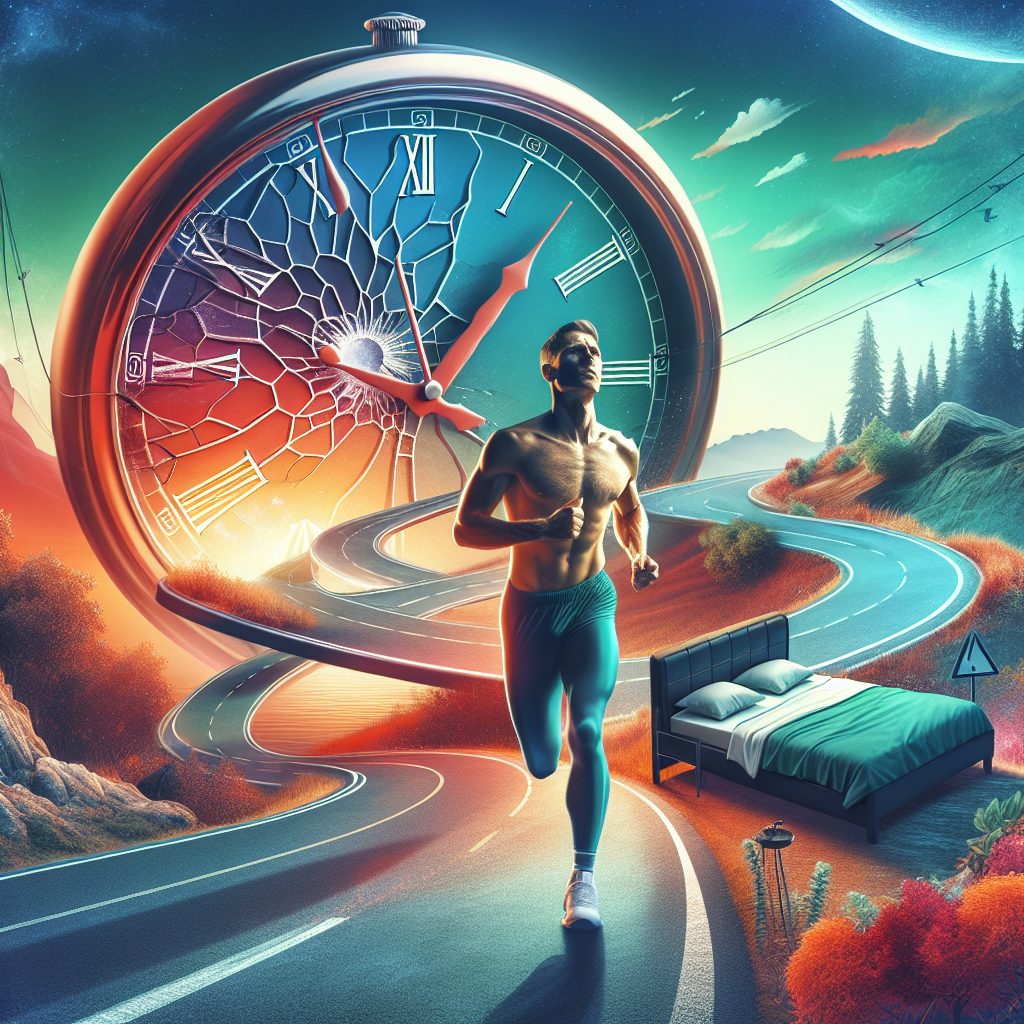
Are You Training Too Hard for Your Own Good?
When we think of elite athletes, we envision individuals in prime physical condition—disciplined, powerful, and seemingly unstoppable. Built for endurance and strength, their bodies function like finely tuned machines. But even the fittest athletes can experience unexpected personal setbacks, including issues in their sex lives. One often-overlooked issue is premature ejaculation (PE), particularly among athletes—unspoken due to societal stigma.
The Journal of Sexual Medicine reveals that roughly 20–30 percent of men experience PE at some point in their lives. In the case of male athletes, this condition is not a reflection of weakness or lack of fitness. The real culprit may be overtraining syndrome (OTS), a condition commonly ignored in high-performance individuals. Overtraining can disrupt hormones, fatigue the nervous system, and create emotional imbalances—all significant contributors to sexual performance challenges.
As Dr. Michael Eisenberg, a urologist at Stanford Medicine, explains, “The body interprets prolonged intense exercise as stress. Elevated stress levels can impact everything from testosterone production to sexual performance.”
Let’s break down how chronic overtraining could be quietly undermining your sex life—and what steps you can take to restore balance and boost performance both in the gym and the bedroom.
What Is Premature Ejaculation and Why Should Athletes Pay Attention?
Premature ejaculation (PE) is one of the most prevalent types of sexual dysfunction among men, with around 1 in 3 experiencing it globally, according to the Cleveland Clinic. PE is typically defined as ejaculation occurring within one minute of penetration, often without control or satisfaction.
While psychological triggers such as performance anxiety or relationship stress are frequently discussed, physical causes are equally significant. Fatigue, hormonal imbalance from excessive training, and cardiovascular strain are common culprits. Endurance athletes, for example, may unknowingly push their bodies far beyond sustainable limits, weakening their ability to perform sexually—even if they appear physically fit.
Athletes often forget that their physical systems are interconnected. High-level training demands equilibrium across the body. When that balance is lost, sexual stamina can suffer. It’s crucial to assess both physical and psychological contributors to these issues.
How Overtraining Can Lead to Premature Ejaculation
Hormonal Disruption from Intense Training
One of the clearest connections between overtraining and PE lies in hormonal imbalance. Extended periods of intense exercise, especially without sufficient recovery, can lead to a decline in testosterone levels—the primary hormone responsible for libido and sexual function.
At the same time, cortisol—commonly known as the stress hormone—rises. Increased cortisol can hinder workouts and wreak havoc on your mood, energy levels, and ability to control ejaculation. A 2020 study published in the Journal of Clinical Endocrinology & Metabolism found that men with elevated cortisol levels reported decreased libido and more frequent cases of sexual dysfunction.
For instance, triathletes training rigorously for Ironman competitions showed significantly lower testosterone and higher psychological burnout than recreational athletes. Continued hormonal stress can lead to long-term declines in sexual performance.
Central Nervous System Exhaustion
Both athletic and sexual performance heavily rely on a properly functioning central nervous system (CNS). Chronic intense exercise without sufficient rest can overload the CNS, leading to poor arousal regulation, delayed reflex responses, and difficulty controlling ejaculation.
According to elite performance coach Alex Viada, “Overtraining doesn’t just drain your strength—it clouds your mind, slows your reflexes, and lowers your ability to engage in quality sexual experiences.”
When your nervous system is overworked, your energy plummets, sex drive declines, and premature ejaculation becomes more likely. It’s not just your finish line times that take a hit—your intimate encounters might too.
When Fatigue Becomes Chronic
Athletes are often taught to push through fatigue. But persistent physical and mental exhaustion can seriously impact your sex life. You may find yourself too drained to initiate sex or emotionally detached during intimacy.
A 2021 survey by the Sleep Foundation reported that adults sleeping fewer than six hours a night were 2.5 times more likely to experience sexual dysfunction, including PE. Overtraining leads to poor sleep and insufficient recovery, leaving the body misaligned and overstimulated.
If you think you’re just tired, think again—you might be running on empty. When mental exhaustion combines with high cortisol, the result isn’t just poor training—it’s compromised intimacy.
Warning Signs That You May Be Overtraining
Wondering if your workout routine might be doing more harm than good? Look out for these common signs linked to overtraining and PE:
– Chronic fatigue, even after adequate rest
– Declining performance or strength in workouts
– Heightened irritability or mood shifts
– Difficulty falling asleep or irregular sleep cycles
– Frequent minor illnesses or injuries
– Reduced libido or sudden development of PE
If any of these symptoms resonate, your body is likely sounding the alarm. Remember, optimal sexual function is a powerful indicator of your overall health. Pay attention to these red flags.
For professional treatment solutions and discreet support, consider visiting edrugstore.com—your one-stop destination for male sexual health solutions.
Reclaiming Sexual Stamina: Your Action Plan
The best news? PE linked to overtraining is often temporary. With proper recovery strategies and attention to hormonal balance, you can reclaim your sexual health and athletic edge.
1. Prioritize Recovery Like a Pro
Rest isn’t a setback—it’s a secret weapon. Build dedicated rest days into your schedule and incorporate active recovery techniques such as light stretching, swimming, or yoga. These help improve circulation and reboot your nervous system.
Treat recovery like essential maintenance—not optional downtime. Your engine needs tuning, not overuse.
2. Restore Hormonal Balance Through Nutrition
Your daily habits heavily influence your hormone balance. A nutrient-rich diet featuring healthy fats (like olive oil and avocado), lean protein, and dark leafy greens supports testosterone production naturally.
Avoid excess caffeine and alcohol, as both can raise cortisol levels and prevent deep sleep. Explore physician-approved supplements and treatments via edrugstore.com for safe guidance on restoring hormonal health.
3. Make Sleep a Non-Negotiable
Sleep is vital for recovery. Aim for 7–9 hours of quality rest each night to help your body replenish testosterone, regulate mood, and enhance brain function.
A simple lifestyle tweak—maintaining consistent sleep and wake times—greatly enhances recovery. Athletes who prioritize sleep perform better in training and in bed.
4. Manage Your Mental Load
Incorporate stress-relieving practices such as meditation, deep breathing, or walking outdoors. Mindfulness exercises have been shown to reduce cortisol, improve mood, and support sexual performance.
Free apps like Headspace and Calm offer convenient, science-backed stress relief that fits into even the busiest athlete’s schedule.
5. Seek Professional Help When Needed
If lifestyle adjustments don’t resolve your symptoms, don’t hesitate to consult a specialist. Behavioral therapies like the “start-stop” technique and approved medications can be effective in treating PE.
For confidential, professional support and pharmacist-approved treatments, visit edrugstore.com today.
The Bottom Line: Your Bedtime Game Deserves Recovery Too
Even elite athletes can experience setbacks, and issues like PE are more common among high performers than you’d think. When training intensity outpaces recovery, your sex life may suffer the consequences first.
If you’ve noticed performance issues in the bedroom while pushing your physical limits, take it as a sign to step back and reassess. Real balance isn’t just for physical coordination—it’s crucial for your hormonal health, nervous system, and emotional wellbeing.
Listen to your body, honor your recovery needs, and invest in your health holistically. Peak performance isn’t just measured in reps or miles—it also counts in the quality of your intimate experiences.
Sources
– Cleveland Clinic. (2023). Premature Ejaculation Overview. https://my.clevelandclinic.org/health/diseases/9115-premature-ejaculation
– Journal of Sexual Medicine. (2021). Epidemiology of PE in Active Males
– Stanford Medicine. Michael Eisenberg, Urologist. Personal Interview
– Journal of Clinical Endocrinology & Metabolism. (2020). Cortisol and Sexual Function
– Sleep Foundation. (2021). Sleep and Sexual Health
– National Institute of Health. Triathlete Hormonal Health Study. https://www.ncbi.nlm.nih.gov/pmc/articles/PMC3766586/
– Alex Viada, Performance Expert, Complete Human Performance
For more on men’s health, visit edrugstore.com.
