
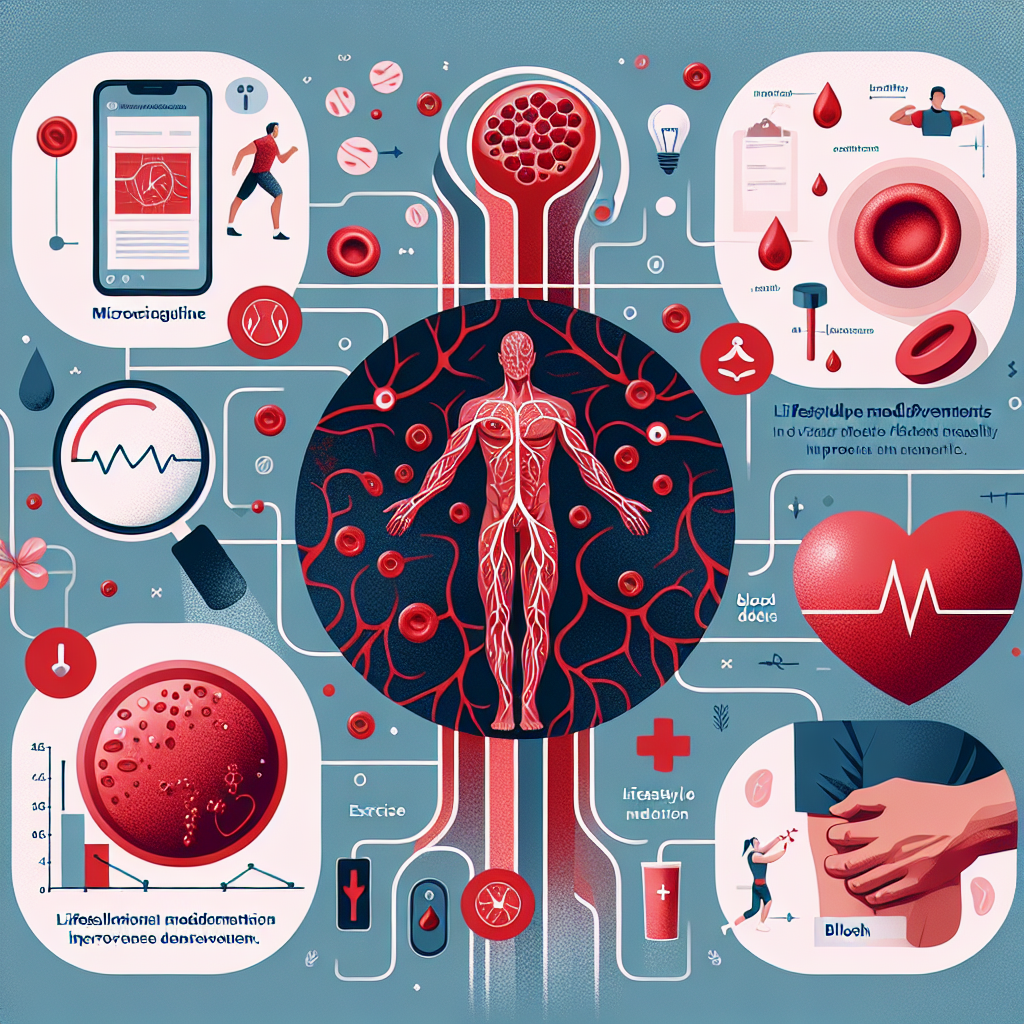
Boost Microcirculation Naturally: Proven Hacks for Better Blood Flow and Full-Body Health
Understanding Microcirculation: Your Body’s Hidden Superhighway
When you think about blood circulation, your mind likely goes straight to the heart and major arteries. However, there’s an equally critical yet often overlooked network at play—the microcirculatory system. This network of tiny blood vessels, including capillaries, arterioles, and venules, is responsible for delivering oxygen, vitamins, and nutrients straight to your tissues while removing waste products.
According to research from the National Institutes of Health, approximately 85% of modern diseases are linked to impaired microcirculation. From persistent fatigue and cold extremities to slowed wound healing and mental fog, poor blood flow at this microscopic level may be the root cause.
Why Microcirculation Matters for Health and Longevity
Microcirculation refers to blood flow through the smallest vessels in your body. Though invisible to the naked eye, these tiny passageways are essential for delivering oxygen, hormones, and immune support directly into your organs and tissues.
Dr. John Cooke, Chair of Cardiovascular Sciences at Houston Methodist, explains, “If microcirculation is compromised, every cell in your body suffers—it’s like the plumbing fails in your house.”
Poor microvascular health can contribute to:
– Cold hands and feet
– Erectile dysfunction, particularly in men over 40
– Brain fog and memory issues
– Delayed healing from cuts and injuries
– Increased risk of heart-related diseases
In short, even if your heart and major arteries are in good shape, your cells might still be starved for oxygen if microcirculatory function is impaired.
Common Signs of Poor Microcirculation
You don’t need lab tests or a microscope to notice signs of restricted blood flow in your smallest vessels. Pay attention to symptoms such as:
– Cold or discolored toes and fingers
– Tingling or numbness in hands and feet
– Unexplained swelling in the limbs
– Chronic fatigue or soreness after mild activity
– Bruises or cuts that take longer to heal
– Foggy thinking or low mental energy
For men, this can also include declining sexual performance—a common issue linked to poor circulation. Visit edrugstore.com to learn more about how vascular health influences sexual wellness.
Top Natural Hacks to Improve Microcirculation
Enhancing your microcirculation doesn’t require a prescription. You can activate capillary health with simple daily habits that deliver noticeable results over time.
1. Move Your Body Regularly Throughout the Day
Physical activity is essential for circulation. When you sit for long periods, blood flow becomes sluggish, and vessel function declines. Frequent movement—even low-intensity actions—stimulates blood flow at the micro level.
Quick Tip: Set a timer every hour to stand, stretch, or walk for two to three minutes.
A 2020 study published in the Journal of Physiology found that breaking up long sitting periods with short activity breaks improved microvasculature function significantly.
2. Boost Vessel Resilience with Contrast Showers
Alternating between hot and cold water in the shower trains your blood vessels to dilate and contract more efficiently. This “vascular gymnastics” keeps your vessels elastic, reducing inflammation and aiding recovery.
Quick Tip: At the end of your shower, switch to cold water for 30 to 60 seconds to stimulate better circulation.
Finnish studies corroborate that cold exposure increases blood flow and beneficial hormone levels, enhancing vascular adaptability.
3. Hydrate to Support Healthy Blood Viscosity
Your blood is nearly half water, making hydration vital for circulation. Even mild dehydration can create thicker blood, slowing capillary flow and reducing oxygen delivery.
Quick Tip: Aim to drink half your body weight in ounces daily. For example, someone weighing 160 pounds should target 80 ounces. Add a pinch of sea salt or drink coconut water to maintain mineral balance.
Using a hydration reminder or flavored electrolyte support can help you stay consistent.
4. Fuel Your Body with Circulation-Enhancing Foods
Certain foods are especially effective at boosting nitric oxide production, reducing inflammation, and fortifying tiny blood vessels:
– Beets increase natural nitric oxide levels, relaxing blood vessels
– Turmeric contains curcumin, which supports anti-inflammatory processes
– Leafy greens offer antioxidants that protect capillary linings
– Blueberries and other berries provide flavonoids that strengthen vessels
– Fatty fish like salmon supply omega-3s that improve blood flow
Quick Tip: Start your day with a smoothie containing spinach, blueberries, flaxseed, and beet powder for a natural vascular boost.
5. Use Targeted Supplements for Circulatory Support
While not all over-the-counter supplements are effective, several have been shown to support microvascular health:
– L-arginine and L-citrulline aid nitric oxide production
– Ginkgo biloba supports brain blood flow in older adults
– Pycnogenol (French maritime pine bark) has been linked to a 32% improvement in microvascular flow
– Horse chestnut extract reduces swelling and supports venous return
Quick Tip: Choose capsules from reputable manufacturers and read labels carefully. Visit edrugstore.com to explore professional-grade circulation supplements.
6. Activate Blood Flow with Massage and Bodywork
Manual techniques like massage, foam rolling, and dry brushing help improve lymphatic drainage and boost local blood flow. These practices also reduce inflammation across muscles and connective tissue.
Massage therapy has been shown to boost localized blood circulation for up to 72 hours post-session.
Quick Tip: Add five minutes of foam rolling after workouts or engage in dry brushing before your morning shower for added benefits.
7. Prioritize High-Quality, Restorative Sleep
During deep sleep, your cardiovascular system repairs itself. Inadequate rest raises inflammation and blood pressure—both enemies of microvascular health.
Quick Tip: Create a relaxing bedtime routine by turning off electronic devices 90 minutes before sleep. Consider taking magnesium glycinate (200–400 mg) and keep your bedroom cool and dark.
The American Academy of Sleep Medicine recommends 7 to 9 hours of sleep each night to ensure cardiovascular and metabolic balance.
Why Microcirculation Deserves More Attention
Although it operates quietly behind the scenes, microcirculation influences nearly every aspect of wellness—from better cognition to faster recovery and improved immune resilience. Strengthening your capillary networks equips you to perform, feel, and heal better on a daily basis.
The best part? Improvement often requires small, consistent lifestyle changes. Begin with one or two strategies, and as you build momentum, the benefits will compound.
Remember: what you measure, you can manage. Keep a journal to track changes in energy, focus, and even skin health as your circulation improves.
Share Your Experience
Have you used any of these natural methods to boost your circulation? Share your story in the comments and let others know what worked for you.
To discover more evidence-based solutions for circulation, energy, and overall wellness, visit edrugstore.com and browse our curated content.
References
1. National Institutes of Health. “Microcirculation in Health and Disease.” Publication #NIH-2019-3550.
2. Dr. John Cooke. Houston Methodist Research Institute. Cardiovascular Insights Interview, 2022.
3. Thosar, S. S., et al. (2020). “Breaking up sitting time improves microvascular function.” Journal of Physiology.
4. Spigelski, D., et al. “Pycnogenol and Circulatory Health.” International Journal of Clinical Pharmacology, 2017.
5. American Academy of Sleep Medicine. “Adult Sleep Recommendations.” AASM.org, 2021.
Stay Informed
Want more science-backed health tips delivered straight to your inbox? Subscribe to our free newsletter on edrugstore.com for weekly insights to optimize your wellness, performance, and longevity.
