
Unlocking the Power of Nitric Oxide Precursors in Your Diet
In the evolving world of wellness, nitric oxide supplements for heart health are gaining recognition—not just for improving circulation or enhancing athletic performance, but also for their broader benefits across the body. Emerging research shows that natural nitric oxide boosters provide a range of advantages, from immune support to brain function and healthy aging.
Dr. John Ivy, professor emeritus at the University of Texas, explains, “Nitric oxide is a powerful signaling molecule that impacts nearly every organ system in the body.” In this guide, you’ll discover the science behind nitric oxide, practical ways to increase levels naturally, and the best foods and supplements to support your health.
What Exactly Is Nitric Oxide and Why Is It So Important?
Nitric oxide (NO) is a gas naturally produced in the body, serving as a vasodilator that relaxes and widens blood vessels. This process enhances circulation, allowing for better delivery of oxygen, nutrients, and hormones throughout the body.
Nitric oxide is created when enzymes convert amino acids like L-arginine or vegetable-based nitrates into NO. Many people associate nitric oxide with heart health, but its influence goes much further. The Cleveland Clinic states: “By maintaining the flexibility and integrity of blood vessels, nitric oxide supports not only the cardiovascular system but also brain, kidney, and immune function.”
Maintaining optimal nitric oxide levels is especially critical, considering that cardiovascular disease remains the leading cause of death globally, according to the World Health Organization.
The Top Three Natural Sources of Nitric Oxide
To boost your body’s nitric oxide levels, it’s helpful to know where it comes from. The three primary precursors include:
L-Arginine
This amino acid is found in foods like turkey, peanuts, and soy. It directly contributes to nitric oxide production through conversion by enzymes in blood vessels. However, when taken as a supplement, L-arginine is rapidly broken down in the digestive system, making it less efficient.
L-Citrulline
Naturally present in watermelon, cucumbers, and some legumes, L-citrulline is converted into L-arginine in the kidneys. This slower conversion leads to longer-lasting nitric oxide production, offering sustained support for vascular health.
Dietary Nitrates
Beetroot and leafy greens like spinach and arugula are rich in dietary nitrates. Friendly bacteria in the mouth convert these nitrates into nitrites, which then become nitric oxide in the body. For example, one cup of beet juice can increase nitric oxide levels by 21% within two hours.
For more on how nitric oxide supports men’s sexual health and addresses erectile dysfunction naturally, visit edrugstore.com.
Health Benefits of Nitric Oxide Beyond Circulation
Now that you understand nitric oxide’s origins, let’s explore how it benefits various aspects of health beyond simply improving blood flow.
Boosting Brain Health and Cognitive Performance
Nitric oxide supports memory, learning, and emotional regulation by improving blood flow to the brain. It also promotes neuroplasticity—the brain’s ability to form new neural connections. A recent clinical review found that supplementing with citrulline improved cognitive function in older adults within just eight weeks.
Supporting Immune Function
Nitric oxide is a key part of your body’s natural immune defense system. It helps immune cells like macrophages neutralize harmful bacteria and viruses. When faced with an infection, nitric oxide production increases to prevent the spread of pathogens. A balanced diet that supports nitric oxide production may reduce the risk of chronic inflammation and related immune dysfunction.
Enhancing Muscle Recovery and Endurance
Athletes often turn to citrulline malate to reduce muscle soreness and boost performance. One study found that participants who took citrulline performed 40% more repetitions and experienced 20% less fatigue during exercise. By improving blood flow and reducing lactic acid buildup, nitric oxide helps muscles recover more efficiently after exertion.
Improving Erectile Function and Sexual Health
Because nitric oxide enhances blood flow, it plays an essential role in male sexual performance. Decreased nitric oxide levels are a major contributor to erectile dysfunction. Supplements containing L-arginine and L-citrulline may support healthy blood vessel dilation in the penis, improving erectile function.
As noted by urologist Dr. Steven Lamm, “Restoring healthy nitric oxide levels is one of the cornerstones of natural erectile support.” For more information, explore natural ED treatments using nitric oxide at edrugstore.com.
Promoting Healthy Aging and Longevity
Nitric oxide production naturally declines with age, leading to stiffer arteries, reduced energy, and slower healing. Antioxidant-rich foods like pomegranate and spinach not only boost nitric oxide production but also protect it from oxidative damage, supporting better cellular health and longevity.
Top Foods That Increase Nitric Oxide Naturally
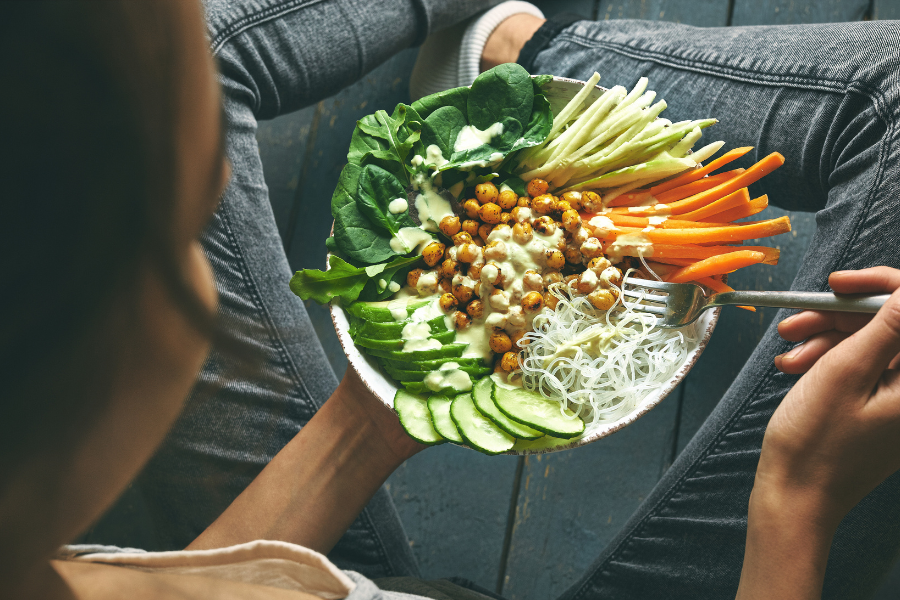
You don’t need expensive supplements to improve your nitric oxide levels. A few key foods can help you achieve this naturally:
– Beet Juice: A powerful pre-workout drink high in natural nitrates
– Leafy Greens (e.g., spinach, arugula, Swiss chard): Contains nitrates and polyphenols
– Watermelon: One of the richest sources of L-citrulline
– Nuts, Beans, and Seeds (e.g., almonds, chickpeas, pumpkin seeds): Great for L-arginine intake
– Garlic and Pomegranate: Support enzymes involved in nitric oxide production
Helpful Tip: Avoid regular use of antibacterial mouthwash, which kills beneficial oral bacteria needed to initiate nitrate metabolism. Also, limit intake of salty, processed snacks, which can impair nitric oxide synthase activity.
Should You Use Nitric Oxide Supplements?
Most people can meet their nitric oxide needs through diet. However, supplements may be beneficial for:
– Older adults with reduced enzyme efficiency
– Individuals with high blood pressure or cardiovascular risk
– Active individuals seeking muscle recovery and endurance enhancement
L-citrulline supplements (3 to 6 grams per day) are often more effective than L-arginine. Beetroot powder is another popular option for delivering bioavailable nitrate directly.
Important Caution: Consult your healthcare provider before starting nitric oxide supplements, especially if you’re taking medications for blood pressure or erectile dysfunction. Combining the two may cause dangerously low blood pressure.
Need recommendations? Visit edrugstore.com for a pharmacist-reviewed guide on nitric oxide supplements and sexual health.
Conclusion: Why Nitric Oxide Is Key to Whole-Body Wellness
Nitric oxide is far more than a circulation aid. From supporting cognitive clarity and immune strength to enhancing athletic performance and sexual health, maintaining healthy nitric oxide levels is vital for total wellness.
Incorporating nitric oxide-supporting foods into your daily meals, staying physically active, getting proper rest, and managing stress all contribute to optimal nitric oxide production. When needed, carefully selected supplements can offer additional support—always with professional guidance.
Your journey to vitality and longevity can begin with something as simple—and essential—as nitric oxide.
References
1. Ivy, J. “The Role of Nitric Oxide in Exercise and Recovery.” University of Texas.
2. Cleveland Clinic. “What is Nitric Oxide?” 2021. https://my.clevelandclinic.org
3. WHO. “Cardiovascular diseases.” June 2021. https://www.who.int/news-room/fact-sheets
4. Webb, A. J. et al. “Acute blood pressure lowering, vasoprotective, and antiplatelet properties of dietary nitrate via bioconversion to nitrite.” Hypertension Journal, 2008.
5. Lee, S. et al. “Effects of Citrulline Supplementation on Cognitive Function.” Nutrients, 2021.
6. Pérez-Guisado, J. et al. “Citrulline malate effects on strength and muscle soreness.” Journal of Strength and Conditioning Research, 2010.
7. Lamm, S. “The Hardness Factor.” Harper Collins, 2005.
