
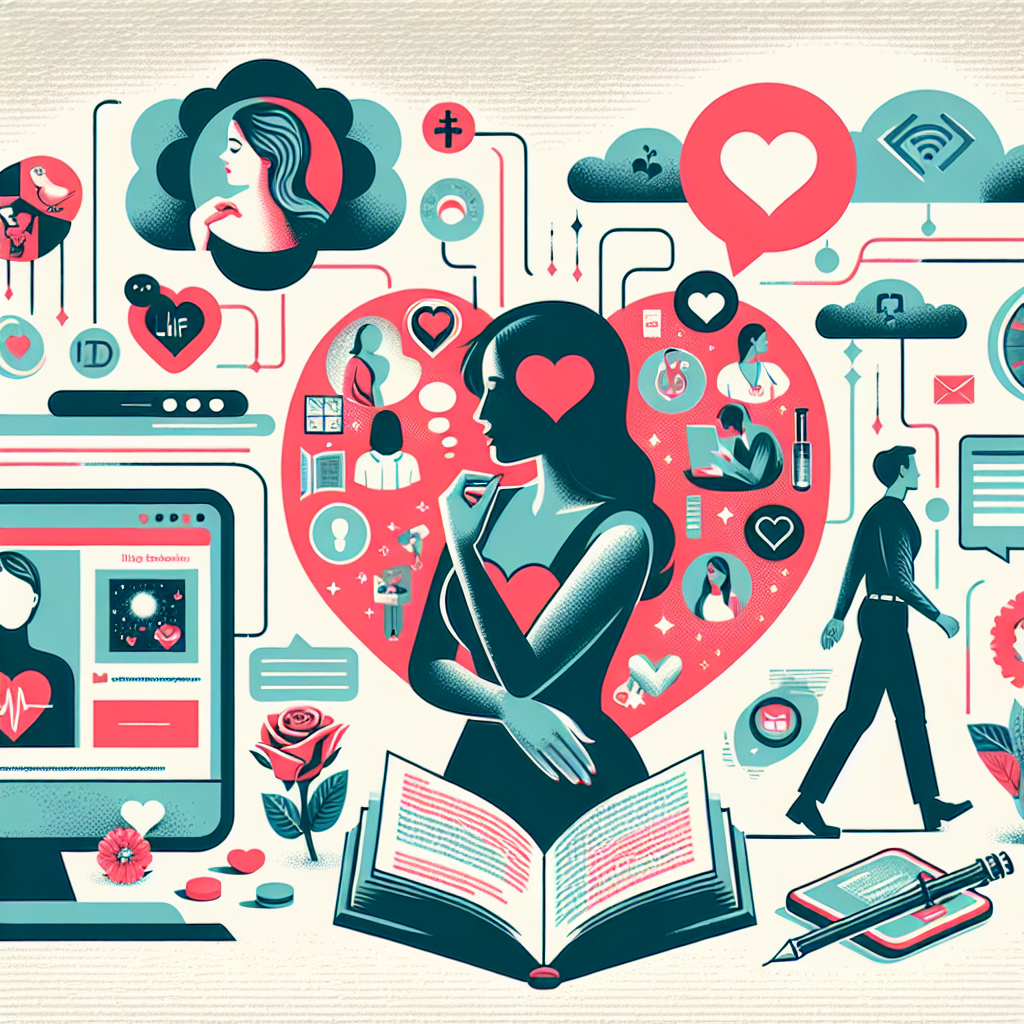
Fantasy vs. Reality: How Modern Romance Novels and Media Shape Female Desire and Expectations
The Influence of Modern Media on Romantic Ideals
In today’s digitally connected society, romance novels and on-screen love stories significantly impact how women perceive love, relationships, and desire. These tales are often filled with dramatic passion, flawless partners, and fairy tale conclusions. But the deeper question remains—how much of what we absorb is an entertaining fantasy, and how much can genuinely inform our expectations in real relationships?
A 2023 Pew Research Center survey revealed that over 66% of women under 35 feel their relationship expectations are influenced by media. This underscores the importance of distinguishing between fantasy narratives and real-world relationship dynamics.
The Irresistible Pull of Romantic Fantasy
Romance novels serve as more than just leisure reading—they act as emotional playbooks. Writers frequently use time-tested tropes, such as the brooding billionaire or the emotionally guarded protector, which resonate with women’s core emotional desires for love, security, and connection.
Dr. Sarah Jones, a specialist in media psychology, explains: “Romantic fiction appeals to the emotional core. It expresses hidden needs and offers a narrative that helps readers picture emotional satisfaction.”
Though escapism has its place, consistently consuming idealized portrayals of love can skew expectations. For instance, expecting constant romantic gestures or emotional mind-reading from a partner can set the stage for disappointment. In this subtle way, romance fiction doesn’t just entertain—it quietly shapes perceptions of masculinity, intimacy, and how conflicts are resolved in a partnership.
Happily Ever After vs. Real-World Relationships
Romance stories often culminate in emotionally gratifying endings—“happily ever afters”—that bypass life’s complexities. Yet anyone who’s been in a lasting relationship knows love requires effort, compromise, communication, and mutual resilience.
Real love doesn’t offer instant cures for past traumas or effortlessly bridge deeply ingrained differences. These real-life complexities—such as financial stress, personal growth, or emotional healing—are often edited out of fictional love stories in favor of marketable, feel-good endings.
Many young women and teens are especially vulnerable to absorbing these oversimplified models, sometimes expecting their real relationships to mirror the emotional rush found in fiction. One study by Brigham Young University found that 1 in 4 women felt dissatisfaction in their own relationships due to high-frequency romantic media exposure.
How Pop Culture Reinforces Unrealistic Romance
Beyond novels, romance portrayal extends to films, television shows, and social media content. Popular rom-coms, glossy Netflix shows, and carefully curated TikTok videos routinely depict polished, filtered versions of love and affection.
Couples post matching outfits, surprise getaways, and candlelit dinners—images that, while visually appealing, do not convey the mundane or difficult moments in relationships. These snapshots are highlights—not the everyday reality.
Relationship counselor Amanda Lopez, LCSW, notes: “When people compare their authentic, lived experiences to someone else’s highlight reel, they risk feeling inadequate or unfulfilled.” This phenomenon can increase emotional pressure and lead to insecurity or resentment in real-life partnerships.
Additionally, these fantasy portrayals can spill into the bedroom. Data from the American Association of Sexuality Educators, Counselors, and Therapists (AASECT) shows that women deeply influenced by media fantasy are more likely to report dissatisfaction in both emotional and sexual connections.
The Role of Fantasy in Shaping Desire
Desire is not solely a physical impulse—it’s often narratively driven, especially for women who tend to experience “responsive desire,” a term coined by sex educator Dr. Emily Nagoski in her book Come As You Are. Instead of being triggered by visual imagery alone, many women respond more to emotional context, story progression, and connection.
Romance novels capitalize on this by building slow-burning relationships, deep emotional intimacy, and strong character arcs. These stories begin with subtle glances and grow into profound connections, drawing readers in emotionally before introducing physical attraction.
While validating female emotional and sexual pleasure, these narratives may also set unattainable benchmarks. A partner juggling work, emotional history, or communication challenges might not meet these idealized expectations. Unlike fictional love interests who intuitively understand emotional needs, real partners require time, communication, and growth to connect on that level.
Empowerment through Modern Romance
Despite the romanticized lens, modern love stories are evolving. Today’s romance novels often showcase bold, independent heroines who express their desires and stand firmly in their emotional agency. These portrayals inspire readers to embrace self-worth, emotional expression, and sexual confidence.
Contemporary authors like Talia Hibbert and Alyssa Cole integrate real-world issues—such as mental health, racial identity, and body positivity—into their love stories. This blend of fantasy and realism allows readers to explore emotionally rich narratives within relevant sociocultural contexts.
Importantly, modern romances increasingly highlight the value of consent and open communication. These narratives model what respectful, mutual understanding can look like within a romantic partnership, offering productive learning moments for readers.
Finding Balance: Enjoying Romance Without Losing Perspective
So how can readers enjoy romantic media without falling into the trap of unrealistic expectations? By approaching these stories with awareness. Recognizing they are scripted, edited, and strategically paced allows readers to enjoy the fantasy while still grounding their real-life relationships in reality.
Rather than judging a partner against fictional standards, romantic media can become a starting point for healthy dialogue. Phrases like, “I loved how connected those characters felt—can we work on deepening our connection too?” help transform indulgent reading into actionable relationship insights.
Couples aiming to strengthen emotional or physical intimacy might consider therapy, relationship workshops, or wellness tools. Expert resources, such as those from edrugstore.com, offer practical advice on communication, sexual satisfaction, and navigating common relationship hurdles—blending emotional intelligence with science-based solutions.
Conclusion: Bridging Fantasy with Reality
Modern romance novels and media undoubtedly influence women’s ideas about love and desire. These stories offer imaginative, emotionally rich journeys into connection and pleasure. But without critical awareness, they can also distort what healthy, sustainable love actually looks like.
Women have every right to dream of passion-filled, emotionally fulfilling relationships. But achieving that dream requires more than yearning—it takes communication, compromise, and acceptance of imperfections. By balancing fantasy with self-awareness and honest conversations, women can enjoy the best of both worlds: the thrill of imaginary romance and the depth of authentic connection.
References
– Pew Research Center (2023). “How Media Influences Millennial and Gen Z Views on Love and Relationships.” Retrieved from https://www.pewresearch.org
– American Association of Sexuality Educators, Counselors, and Therapists (AASECT). “Media and Sexual Satisfaction: A 2020 Study.”
– Nagoski, E. (2015). Come As You Are: The Surprising New Science That Will Transform Your Sex Life. Simon & Schuster.
– Brigham Young University Study (2020). “Romantic Media and Relationship Expectations in Women Aged 18–30.”
Helpful Resource
Learn more about how sexual wellness and better communication support emotional intimacy at https://www.edrugstore.com.
