Understanding Post-Urination Drip: A Key to Your Prostate and Pelvic Floor Health
Have you ever walked away from the toilet only to feel a warm trickle moments later? You’re not alone. This condition, known as post-urination drip, is common among men and may indicate more than just a minor bladder issue. In fact, it could be an early sign of problems with your prostate or pelvic floor muscles.
Let’s uncover what’s happening, what it means, and simple strategies that can help.
What Is Post-Urination Drip?
Medically referred to as post-micturition dribbling (PMD), post-urination drip occurs when a small amount of urine leaks shortly after you’ve finished urinating. Even when you think your bladder is empty, a few drops may still escape moments afterward.
According to the Cleveland Clinic, this condition affects approximately 12–17% of adult men, becoming more common after the age of 40.
Dr. Ryan Terlecki, a urologist at Wake Forest Baptist Health, explains, “Post-micturition dribbling isn’t always about a weak bladder—it’s usually about poor coordination of the pelvic floor muscles or an issue with the prostate obstructing full drainage.”
You may notice it more after sitting for a while or when you’re in a rush—times when your pelvic muscles are relaxed or compressed.
Understanding the Anatomy Behind The Drip
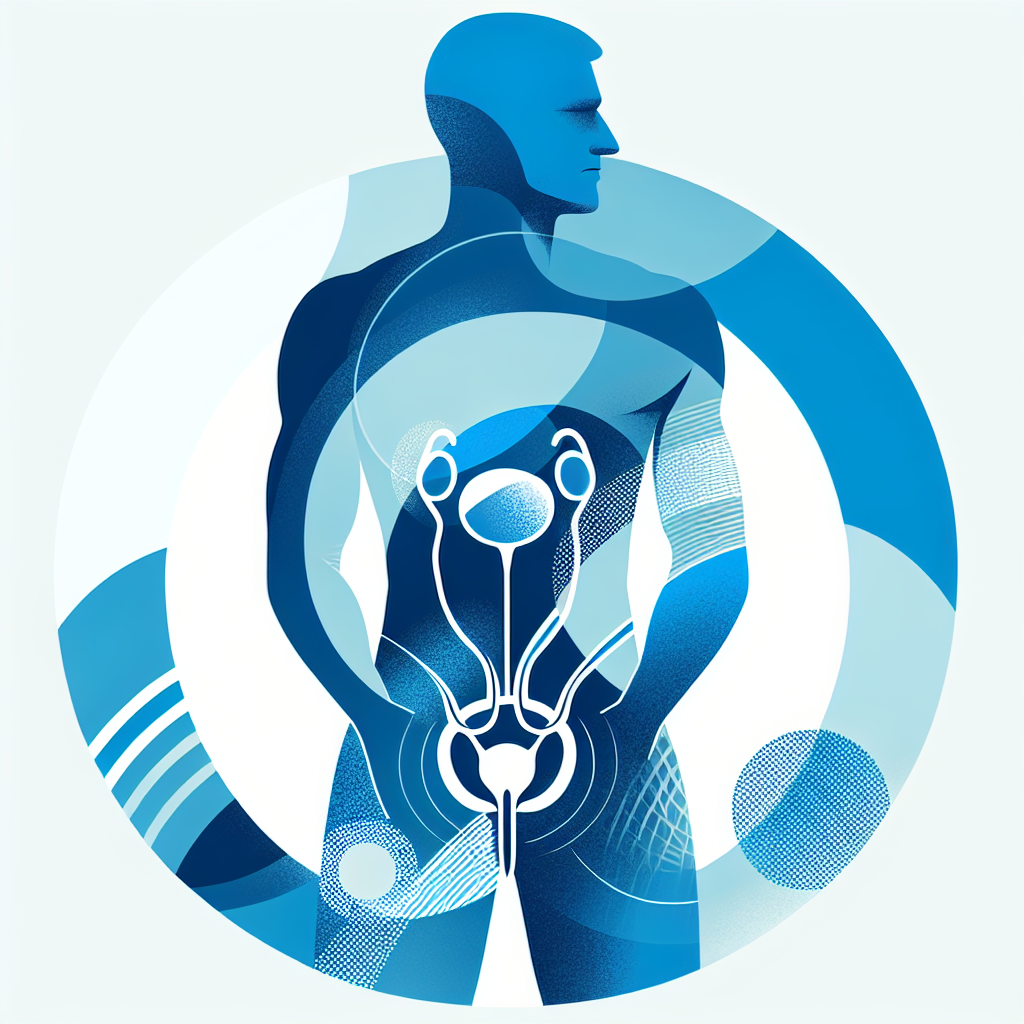
To truly understand why post-urination dripping happens, it’s helpful to know the roles of these key body parts:
– The bladder stores urine.
– The urethra is the tube that carries urine out of the body.
– The prostate surrounds the upper part of the urethra just below the bladder.
– The pelvic floor muscles support these organs and help fully expel urine.
When everything operates properly, the bladder empties, and your muscles contract to prevent leakage. But if the prostate is enlarged or your pelvic floor muscles are weak, urine can remain in the bulbar urethra, which often leads to delayed dribbling.
Keep in mind: The root cause varies between individuals. For some, it’s an enlarged prostate; for others, it’s underperforming pelvic muscles.
How an Enlarged Prostate Can Play a Role
One of the leading causes of post-urination leakage in men is Benign Prostatic Hyperplasia (BPH), a non-cancerous enlargement of the prostate. The Urology Care Foundation notes that BPH affects about 50% of men aged 51 to 60, and over 90% of men over age 80.
As the prostate grows, it squeezes the urethra, much like a clamp on a hose, reducing full flow of urine. This can lead to:
– A slow or weak urine stream
– The urge to urinate frequently at night (nocturia)
– A constant feeling of an unemptied bladder
– Post-urination dribble
Some men find relief with medications like alpha-blockers, which relax the muscles around the prostate. Visit edrugstore.com’s men’s health section to learn more about available treatment options.
Why Pelvic Floor Muscles Matter
The prostate isn’t the only factor. Pelvic floor muscles play a crucial role in urinary control. These muscles form a supportive base that helps manage urination by controlling the flow.
Weak or tense pelvic floor muscles can cause:
– Residual urine retention in the urethra
– Decreased control over urine flow
– Leakage during physical activity like laughing or lifting
Dr. Deanna Attai, an associate clinical professor at UCLA, shares, “Men often overlook pelvic floor dysfunction, but it contributes to a significant number of urinary symptoms as they age.”
Common causes of pelvic floor weakness include:
– Prolonged sitting (such as during long commutes or desk jobs)
– Excess weight
– Chronic constipation or regular straining
– Surgical trauma, especially following prostate cancer treatment
Is It Prostate or Pelvic Floor Issues? How to Tell
To determine whether your symptoms are due to an enlarged prostate or weak pelvic floor control, consider the following questions:
– Do you frequently wake up to urinate at night?
– Is your urine stream weak or difficult to start?
– Do you often feel like your bladder isn’t fully empty?
– Do you feel discomfort in your lower back or pelvis?
– Do you leak urine during a laugh, sneeze, or while lifting something?
If several of these apply to you, seeing a urologist could provide clarity. They may conduct tests such as a digital rectal exam, bladder ultrasound, or a uroflowmetry analysis to evaluate your symptoms properly.
For evaluation and treatment options, explore men’s health solutions on edrugstore.com.
Practical Solutions You Can Start Today
The upside? Many causes of post-urination drip are manageable—and often without surgery. Here are effective strategies to combat the issue:
1. Start Kegel Exercises
Kegels can significantly improve urinary control in men. To perform them:
– Contract the muscles you’d use to stop urinating midstream.
– Hold for 5 to 10 seconds.
– Relax and repeat.
Do this three to four times a day in short sets. Studies show Kegels can reduce leakage by 50–70% in just a few weeks.
2. Use the Double Void Technique
After you finish urinating, wait for 20–30 seconds and try again. This extra step helps empty out any urine left in the urethra. Leaning slightly forward can further assist complete drainage.
3. Reduce Bladder Irritants
Cut back on bladder irritants like caffeine, spicy foods, and alcohol, which can increase urgency and accidental leakage. Instead, maintain hydration by sipping water steadily throughout the day.
Instead of drinking multiple cups of coffee back-to-back, try pacing your intake with water in between.
4. Consult a Medical Professional
If symptoms persist, see a doctor. Medications like tamsulosin or finasteride for prostate enlargement may be necessary. Your physician could also suggest physical therapy or behavioral strategies based on your condition.
Check trusted treatment options and medications available through edrugstore.com.
5. Consider Pelvic Floor Biofeedback Therapy
This therapy uses real-time feedback to teach control over pelvic muscles and is particularly effective for men post-prostate surgery or with long-standing cases. It can be a game-changer in managing urinary leakage.
Final Thoughts: Don’t Ignore the Drip
Post-urination dribble isn’t just an inconvenience—it can be an early sign of prostate-related changes or muscle weakness. Tuning in early allows for simple interventions that can significantly improve your daily comfort and confidence.
Dr. Howard Adler from NYU Langone Health states, “Post-micturition dribble isn’t embarrassing—it’s informative. Think of it as your body asking for support and attention.”
Addressing this issue early can lead to better outcomes. Whether it’s trying Kegels, adopting better habits, or seeking medical advice, small changes today can make a big difference tomorrow.
Regain control. Improve comfort. Keep your confidence high.
Helpful Resources and Further Reading
– American Urological Association – www.auanet.org
– National Institute on Aging – Prostate Health Tips
– Pelvic Rehabilitation Medicine – www.pelvicrehabilitation.com
– edrugstore.com – Men’s Health Medications and Support
Join the Discussion
Have you experienced post-urination dribble? Share your story or what strategies have helped you manage it. Your experience could help other men feel less alone and more empowered to seek solutions.
References
1. Cleveland Clinic. “Post Micturition Dribble (PMD).” https://my.clevelandclinic.org/
2. Urology Care Foundation. “BPH and How It Affects Urination.” www.urologyhealth.org
3. Neumann, P., & Gill, V. (2011). Pelvic floor rehabilitation for men with urinary dysfunction. International Urogynecology Journal
