
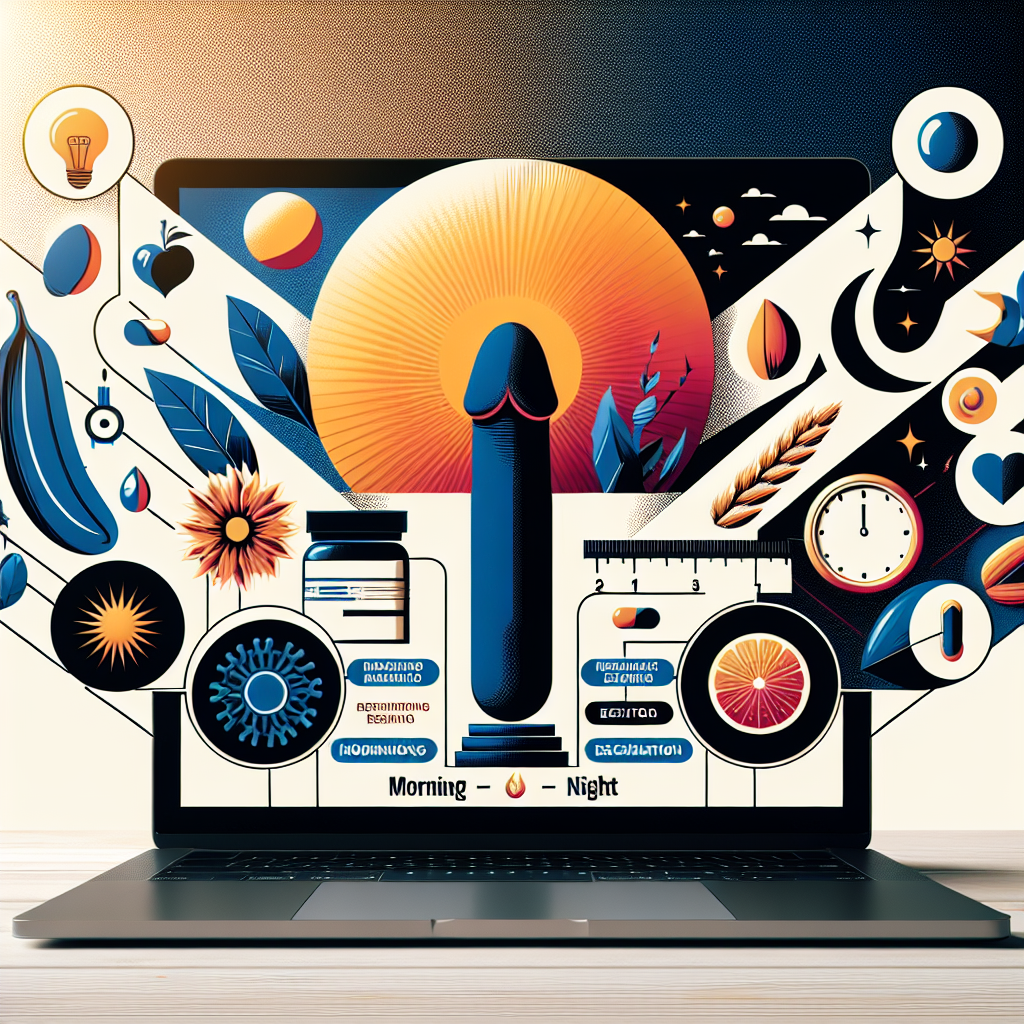
Understanding the Strength Difference Between Morning and Night Erections
Many men experience strong morning erections, commonly referred to as “morning wood,” and consider it a healthy, natural occurrence. However, the same men might also notice weaker erections before bedtime, which can cause confusion or concern—especially when trying to maintain a satisfying sexual relationship.
To understand this difference, it’s important to consider how hormones, sleep, mental health, and daily habits affect erection quality throughout the day. As urologist Dr. Jeffrey Albaugh explains, “Morning erections can be a good sign that blood flow and testosterone levels are within a normal range” (Source: Northwestern Medicine).
How Erections Work: A Basic Overview
To understand why there’s a difference between morning and nighttime erections, we first need to examine how erections happen.
Erections are the result of the brain sending signals that increase blood flow to the penis. While often triggered by sexual arousal, many erections during sleep occur without conscious thought or stimulation. These are called nocturnal penile tumescence (NPT).
Most men have between three and five nocturnal erections each night, typically during the REM (rapid eye movement) phases of sleep. Morning erections often happen during the final REM cycle just before waking. According to SleepFoundation.org, more than 80% of men under 60 report waking up with a morning erection at least several times per week.
Essentially, these nighttime erections serve as a regular check-up for your sexual functioning and overall vascular health.
Why Morning Erections Are Usually Stronger
Noticing stronger erections in the morning compared to night is completely normal. Several biological and environmental factors contribute to this difference.
Testosterone Peaks in the Morning
Your body naturally releases the highest levels of testosterone between 6 a.m. and 8 a.m. According to the Journal of Clinical Endocrinology & Metabolism, this hormonal peak directly contributes to the frequency and firmness of morning erections. Because testosterone plays a vital role in sexual function, elevated levels in the morning lead to stronger outcomes.
Calmer Mind During REM Sleep
During REM sleep, the brain is in a state that limits disruptive thoughts. This reduces the potential for performance anxiety or stress—two significant factors that can affect nighttime erections.
Better Sleep Quality Equals Better Erections
A healthy night’s sleep, especially one that allows for multiple uninterrupted REM cycles, creates the ideal condition for robust morning erections. If you’re sleeping 7 to 9 hours a night, your body is better positioned to experience stronger morning tumescence.
According to Dr. Irwin Goldstein, a respected sexual medicine specialist, “Men who sleep well tend to have better erectile function overall” (Harvard Health Publishing).
Why Erections Before Sleep Can Be Weaker
In contrast, bedtime erections are often affected by several physical and psychological stressors built up throughout the day. Let’s break down the factors that can contribute to weaker nighttime performance.
Mental Fatigue
By the end of the day, you’re likely mentally and emotionally drained. This fatigue reduces your arousal and ability to stay focused during intimacy. Research from the Archives of Sexual Behavior shows that mental exhaustion can lower sexual performance by up to 27%.
Decrease in Testosterone
Testosterone levels drop as the day progresses, particularly in men over 40. The decrease in available hormones means weaker erectile responses during the evening—despite physical attraction or stimulation.
Performance Anxiety and Psychological Pressure
Evening intimacy often involves expectations and emotional dynamics. Worrying about sexual performance can activate stress responses that limit blood flow to the penis. A 2020 survey published in the Journal of Sexual Medicine found that performance anxiety affects one in three men under 35.
Lifestyle Factors like Diet and Alcohol
Evening lifestyle habits—such as consuming heavy meals, alcohol, or medications—can significantly reduce nighttime erection quality. For instance, someone who eats a heavy dinner and has wine, especially if combined with blood pressure medication, may experience restricted blood vessels that prevent firm erections.
To learn more about how medications can impact sexual performance, visit the informational center at edrugstore.com.
Aging and Hormonal Changes That Impact Erections
As men age, hormonal changes and sleep disruptions begin to impact both morning and nighttime erections.
Testosterone production begins to decline at a rate of about 1% per year after age 30, according to the Cleveland Clinic. In addition, older men often experience shorter REM cycles and more frequent sleep interruptions.
These changes can result in:
– Fewer spontaneous nighttime erections
– Decreased ability to achieve or maintain bedtime erections
However, it’s still very possible to have strong, healthy morning erections even in your 50s or 60s because these are less dependent on mental stimulation and more influenced by sleep and hormonal rhythms.
For example, a healthy 55-year-old man might still report strong morning erections but have difficulty maintaining one during evening intimacy due to lower hormone levels, stress, or disrupted sleep.
When You Should Be Concerned About Erection Quality
Occasional changes in erection strength aren’t usually cause for concern. Sleep quality, stress, or diet can all play a role in temporary shifts.
However, if you experience consistent issues—especially a lack of any morning erections over several weeks—it may be time to consult a medical professional.
Warning signs to look for include:
– No morning erections for several weeks in a row
– Difficulty achieving or maintaining an erection at night despite desire
– Reduced libido, fatigue, or mood disturbances
Potential underlying issues could include:
– Low testosterone (hypogonadism)
– Diabetes or cardiovascular problems
– Nerve damage
– Anxiety or depression
– Sleep disorders like sleep apnea
As Dr. Steven Lamm of NYU Langone Health notes, “Morning erections are a biological marker for general health, not just sexual performance. Persistent changes usually signal deeper problems.”
Tips to Support Healthy Erections Morning and Night
The good news is you can support better sexual health and improve both morning and nighttime erections with a few consistent habits.
Prioritize Quality Sleep
Aim for 7 to 9 hours of sleep per night. Regular, uninterrupted sleep helps your body go through full REM cycles where spontaneous erections occur.
Manage Stress
Chronic stress increases cortisol, which interferes with testosterone and blood flow. Try mindfulness, deep breathing, therapy, or other relaxation methods to manage daily pressure.
Eat for Vascular and Hormonal Health
Stick to a heart-healthy diet rich in leafy greens, berries, whole grains, healthy fats, and lean proteins. These nutrients support testosterone production and circulation.
Limit Alcohol and Tobacco Use
Even moderate alcohol consumption can affect blood pressure and lower testosterone. Tobacco use decreases circulation, which directly affects penile blood flow.
Exercise Regularly
Engage in at least 30 to 45 minutes of moderate aerobic activity most days. According to the Mayo Clinic, regular exercise can improve endothelial function and increase testosterone by as much as 15%.
Consider Medical Support
If natural methods aren’t enough, consult your doctor. Medications like sildenafil and other treatments, available through platforms like edrugstore.com, may help improve erectile function and support sexual health.
The Bigger Picture: What Erections Say About Your Health
In summary, morning erections are a reflection of healthy testosterone levels, sleep quality, and circulatory function. Nighttime erection difficulties often stem from daily stress, hormonal dips, or lifestyle factors.
Understanding these patterns gives men a clearer picture of their overall health—not just sexual performance. By making a few proactive lifestyle changes and staying informed, you can maintain better erectile health for years to come.
Stay Informed and Empower Your Sexual Health
Want to take better control of your sexual health? Subscribe to receive expert-backed advice, nutrition tips, and the latest updates on men’s health right in your inbox.
References
– Journal of Clinical Endocrinology & Metabolism
– Cleveland Clinic: Testosterone and Aging
– SleepFoundation.org: Nocturnal Erections Guide
– Harvard Health Publishing
– Northwestern Medicine Expert Commentary
– Journal of Sexual Medicine
– Mayo Clinic: Male Sexual Health
– edrugstore.com: Erectile Dysfunction Resources
