
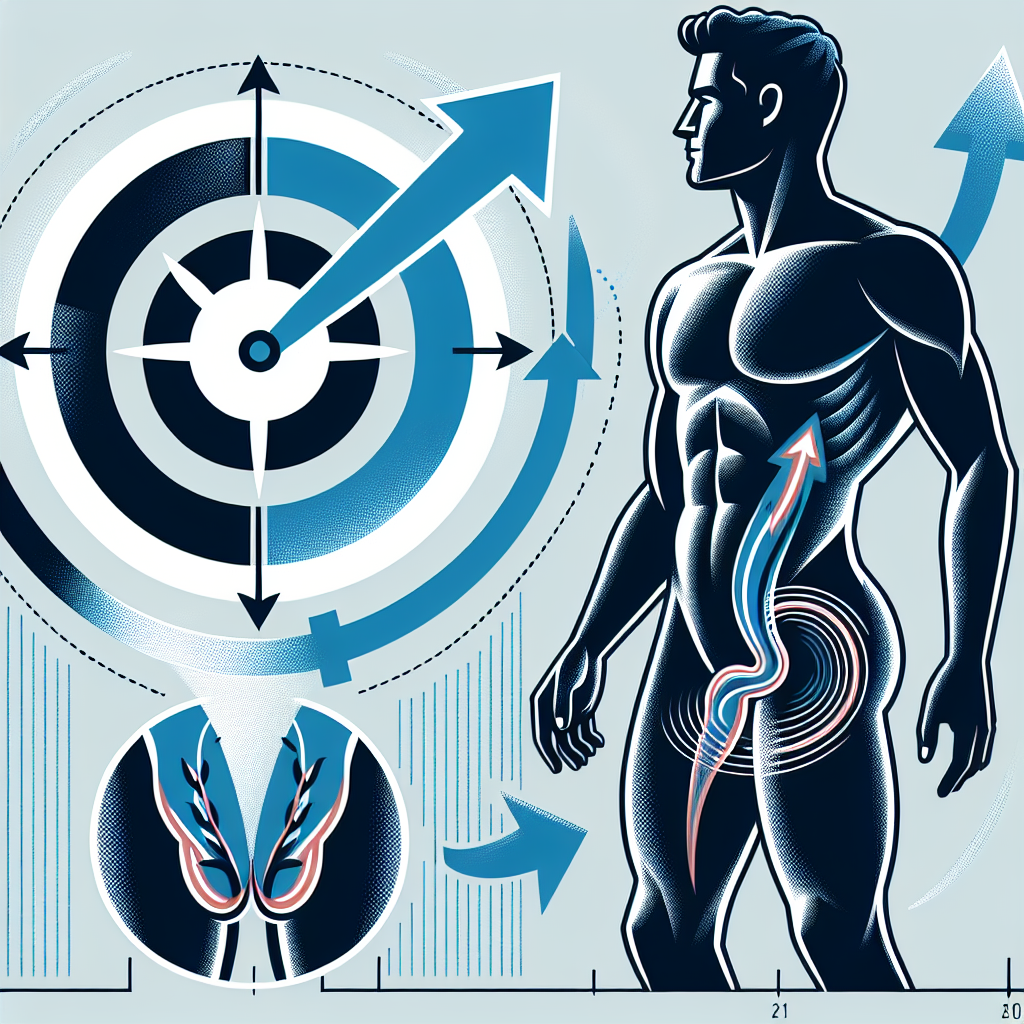
Erection Angle Changes Over Time: What They Reveal About Pelvic Health
When discussing male health—particularly aspects such as erectile performance and urological wellness—topics like hormone levels and libido often take center stage. However, one important physical indicator is frequently overlooked: erection angle.
Changes in erection angle can provide crucial insights into your pelvic floor strength, blood flow, and overall vascular health. In this article, we break down what erection angle means, why it changes over time, and how to support healthy erectile function throughout your life.
What Is an Erection Angle?
An erection angle refers to the direction your penis points during an erection, usually measured in degrees when standing. For example, if the penis points straight upward toward your stomach or chest, this is considered a high erection angle—typically between 90 and 120 degrees. Lower angles are typically observed when it points outward or downward, falling below 90 degrees.
According to Dr. John Smith, a urologist at the Mayo Clinic, “A strong, upward-pointing erection is generally a sign of good pelvic floor integrity and healthy circulation.”
While it may seem like an insignificant detail, erection angle acts as a visual signal—an internal “health barometer”—reflecting factors like pelvic muscle strength, penile connective tissue quality, and blood flow efficiency.
How Erection Angle Varies by Age
In younger men, especially those aged 18 to 29 years, higher erection angles ranging from 100 to 120 degrees are quite common. A 2014 study by Herbenick et al. reported that around 27% of men in their twenties had erections that pointed upward toward the navel or chest.
As men grow older, a gradual decrease in erection angle becomes more prevalent. By their 40s and 50s, men often notice a shift closer to 90 degrees or slightly less. This pattern is generally associated with age-related changes in pelvic floor strength or declining testosterone levels.
For instance, it’s not unusual for a man in his 60s to experience erections that point straight forward or even slightly downward. While this may understandably be concerning, it doesn’t always indicate a medical issue unless it’s accompanied by other physical changes or symptoms.
What Causes Erection Angle Changes?
Several age-related and lifestyle factors can contribute to a shifting erection angle:
Pelvic Floor Muscle Weakness
The muscles of the pelvic floor play a vital role in erection firmness and alignment. These muscles can weaken due to aging, lack of exercise, prolonged sitting, or weight gain, all of which may contribute to a decreased erection angle over time.
Decline in Testosterone Levels
Testosterone plays a key role in libido, muscle mass, and penile blood flow. Men naturally experience a decrease in testosterone—about 1% annually after age 30 according to the American Urological Association. Lower levels can affect both the strength and direction of erections.
Poor Blood Circulation
Health conditions such as high blood pressure, diabetes, and elevated cholesterol can damage the blood vessels responsible for delivering oxygen-rich blood to the penis. Over 50% of men with type 2 diabetes report erectile issues, often linked to vascular damage.
Aging Connective Tissue
The tunica albuginea is the fibrous layer surrounding the erectile tissue in the penis. As men age, it can lose elasticity, reducing firmness and influencing erection angle. Peyronie’s disease—a condition where fibrous scar tissue forms in the penis—can also cause curvature and further decrease the erection angle.
When to Be Concerned About Changes in Erection Angle
While a gradual lowering of erection angle over the years is relatively normal, sudden changes may indicate an underlying issue. Possible warning signs include:
– Sudden decrease in erection angle
– A “drooping” or less rigid erection
– New curvature in the penis
– Pain or discomfort during an erection
Dr. Amanda Brooks, a pelvic health expert, explains: “When men start noticing a sharp drop in angle, especially if accompanied by pain or erectile dysfunction, it’s often a sign of pelvic floor weakness or poor circulation that shouldn’t be ignored.”
How to Support or Improve Your Erection Angle
The good news is that, in many cases, erection strength and angle can be improved through lifestyle changes and targeted exercises.
Practice Pelvic Floor Exercises (Kegels)
Kegels strengthen the muscles that support erectile firmness and angle. In a landmark 2005 study, 40% of men with erectile dysfunction regained normal erections through regular pelvic floor workouts. Start by tightening the muscles you’d use to stop urination and hold for a few seconds, repeating this several times a day.
Engage in Regular Cardiovascular Exercise
Aerobic activities like walking, cycling, or swimming promote healthy blood circulation throughout the body, including the penis.
Maintain a Healthy Weight
Excess weight—especially around the waist—puts pressure on the pelvic floor and increases the risk for vascular disease. Losing weight can restore better blood flow and reduce strain on pelvic muscles.
Quit Smoking and Limit Alcohol Intake
Tobacco restricts blood vessels, reducing penile blood flow. Excess alcohol intake has been shown to lower testosterone and contribute to erection issues. Reducing or eliminating these habits supports overall sexual health.
Monitor Hormonal Health
If you’re experiencing tipping angles, fatigue, and a drop in libido, it’s worth discussing comprehensive hormone testing—including testosterone, DHEA, and cortisol—with your healthcare provider.
When to See a Healthcare Provider
If your erection angle diminishes significantly or suddenly—especially when combined with symptoms like pain, curvature, or difficulty maintaining erection firmness—it’s time to speak to a healthcare professional.
Possible underlying causes may include:
– Peyronie’s disease
– Pelvic floor dysfunction
– Low testosterone levels
– Diabetic nerve or vascular damage
– Nerve injury from surgery or trauma
A consultation with a urologist or pelvic floor specialist can lead to diagnostic tests and targeted therapies like medication, biofeedback, hormone replacement, or specialized physical therapy.
Conclusion: Your Erection Angle Holds Valuable Clues
Your erection angle can reveal much about your underlying health. While some decline in angle is a natural part of aging, a swift or dramatic change shouldn’t go unchecked. Regular monitoring along with healthy lifestyle choices can help keep your erections strong, functional, and indicative of good pelvic and vascular health.
Being proactive about your sexual health isn’t just beneficial for function—it often provides early insights into broader physical conditions. If you notice changes, take action early and consult with a qualified professional.
Further Reading and Support
For more expert advice, detailed guides, and evidence-based solutions for maintaining erection health, visit edrugstore.com. From helpful exercises to professional treatment options, you’ll find everything you need in one place.
References
– Herbenick, D. et al. (2014). Characteristics of the Erect Penis in a Nationally Representative Sample. Journal of Sexual Medicine.
– American Urological Association. (2020). Guidelines on Testosterone Deficiency.
– Journal of Sexual Medicine. (2010). Prevalence of Erectile Dysfunction in Men with Diabetes.
– Dorey, G. (2005). Pelvic Floor Exercises for Erectile Dysfunction. Cochrane Database of Systematic Reviews.
– Mayo Clinic. (2021). Understanding Pelvic Floor Dysfunction and Management Strategies.
