
Enhanced Paragraph:
How Desk Jobs Are Undermining Your Pelvic Floor—and What That Means for Erectile Health
In today’s fast-paced digital world, many people find themselves tied to their desks for extended periods. While technology offers undeniable convenience, the sedentary nature of desk jobs poses health challenges that often go unnoticed. One such challenge is the impact on the pelvic floor and, consequently, erectile health issues like erectile dysfunction.
Discovering the Role of the Pelvic Floor
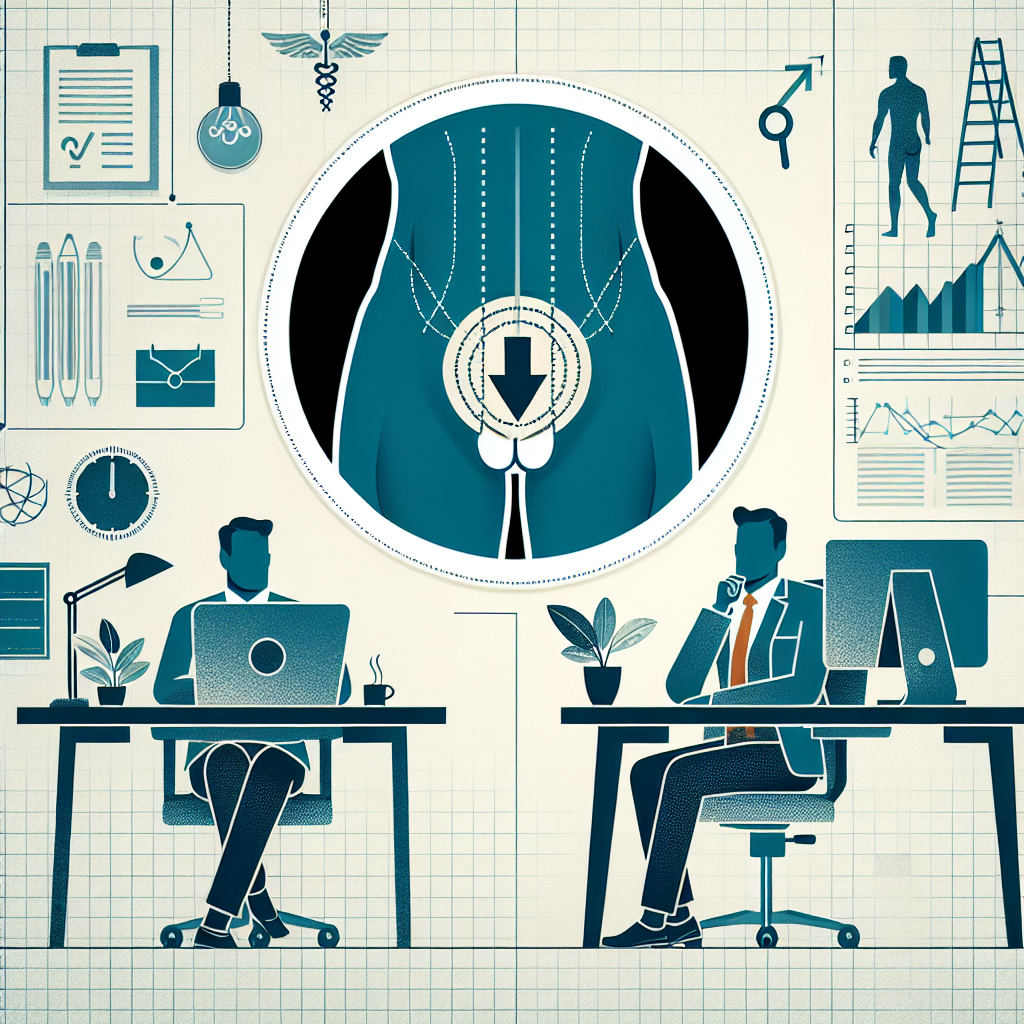
The significance of the pelvic floor muscles cannot be overstated. These muscles stretch like a hammock from the tailbone to the pubic bone, supporting vital organs such as the bladder and bowel. In men, the pelvic floor plays a crucial role in erectile function by sustaining necessary tension and promoting blood flow. According to Dr. John Smith, a urologist at HealthFirst Clinic, “A strong pelvic floor forms the foundation of urinary and erectile health in men.”
The Consequences of Prolonged Sitting
Desk jobs often require long hours of sitting, usually in non-ergonomic positions. Prolonged sitting can weaken and overstress the pelvic floor muscles, leading to dysfunction. This can result in a range of health problems, including pelvic discomfort and difficulties in achieving or maintaining an erection. Sedentary habits are directly linked to pelvic floor dysfunction and subsequent erectile issues.
Linking Pelvic Floor Dysfunction to Erectile Health
Addressing erectile health effectively must involve understanding the connection between pelvic floor dysfunction and erectile challenges. These muscles are essential for adequate blood flow to the penis, and tension or weakness can compromise their function. Dr. Jane Doe from the National Health Institute explains, “A weakened pelvic floor can impede nerve function and blood flow, both critical for a robust erection.” Chronic tension due to poor sitting posture exacerbates stress levels, creating a cycle detrimental to erectile health.
Signs That Your Desk Job is Impacting Your Pelvic Floor
Identifying the signs of a sedentary lifestyle affecting your pelvic floor can be crucial. Frequent urination, incontinence, or pelvic pain could indicate a weakened pelvic floor. Reduced erectile strength or difficulty maintaining an erection are also symptoms to be vigilant about. Furthermore, these issues can lead to chronic back pain, as a weak pelvic floor affects core support.
Strategies to Prevent Pelvic Floor Dysfunction
Preventing pelvic floor dysfunction can be achieved through minor lifestyle adjustments:
1. Ergonomic Workspace: Create a workspace that supports proper posture, with feet flat on the floor and your screen at eye level. A chair that positions the hips slightly above the knees can reduce pressure.
2. Regular Movement Breaks: Incorporate regular breaks to stand, stretch, or walk every 30 to 60 minutes to maintain muscle activity and decrease strain.
3. Pelvic Floor Exercises: Engage in exercises like Kegels to strengthen pelvic floor muscles. These exercises involve contracting and relaxing these muscles and can be done discreetly during work activities.
4. Core Strengthening: Build core muscles to provide better body support and alleviate pelvic floor pressure.
5. Mindful Breathing: Use stress management techniques like deep breathing, yoga, or meditation to reduce muscle tension and enhance pelvic floor health.
When to Seek Professional Assistance
If you suspect that pelvic floor issues are influencing your erectile health, consulting a healthcare professional is essential. A physiotherapist specializing in pelvic health can offer personalized therapy and exercises, identifying underlying conditions. For expert advice and potential treatments, visit reliable medical sources.
Conclusion
Though many cannot avoid the modern desk job, increased awareness and proactive strategies can protect your pelvic floor and erectile health. By prioritizing prevention, sustaining an ergonomic workspace, and incorporating exercise routines, you can enhance pelvic and sexual health. Understanding your body and seeking professional guidance when necessary can significantly improve your quality of life. Value your health for well-being in both professional and personal spheres.
