
## Exploring the Surprising Connection Between Vascular Health and Erectile Dysfunction as a Signal for Heart Health
In today’s fast-paced world, where our lifestyles are becoming more sedentary and our dietary habits are suboptimal, maintaining optimal health can be challenging. Discussions on heart health often center around symptoms like chest pain, shortness of breath, or palpitations. However, there’s a less-talked-about but significant early warning sign: erectile dysfunction (ED). This article explores the intriguing connection between vascular health, erectile dysfunction, and how it can indicate heart health.
Understanding Erectile Dysfunction
Erectile dysfunction refers to the consistent inability to achieve or maintain an erection sufficient for satisfactory sexual performance. Although it’s common and affects millions of men worldwide, ED is often surrounded by stigma and embarrassment. Many men hesitate to seek help, dismissing it as a natural part of aging or stress-related. However, ED is not just a standalone issue. Medically, it is recognized as an early marker of underlying cardiovascular problems. According to cardiologist Dr. Jason Rogers, “Men experiencing erectile dysfunction should see it as a wake-up call for their cardiovascular health, as studies indicate it is often one of the earliest signs of heart disease.”
The Vascular Connection: Why Erectile Dysfunction Matters
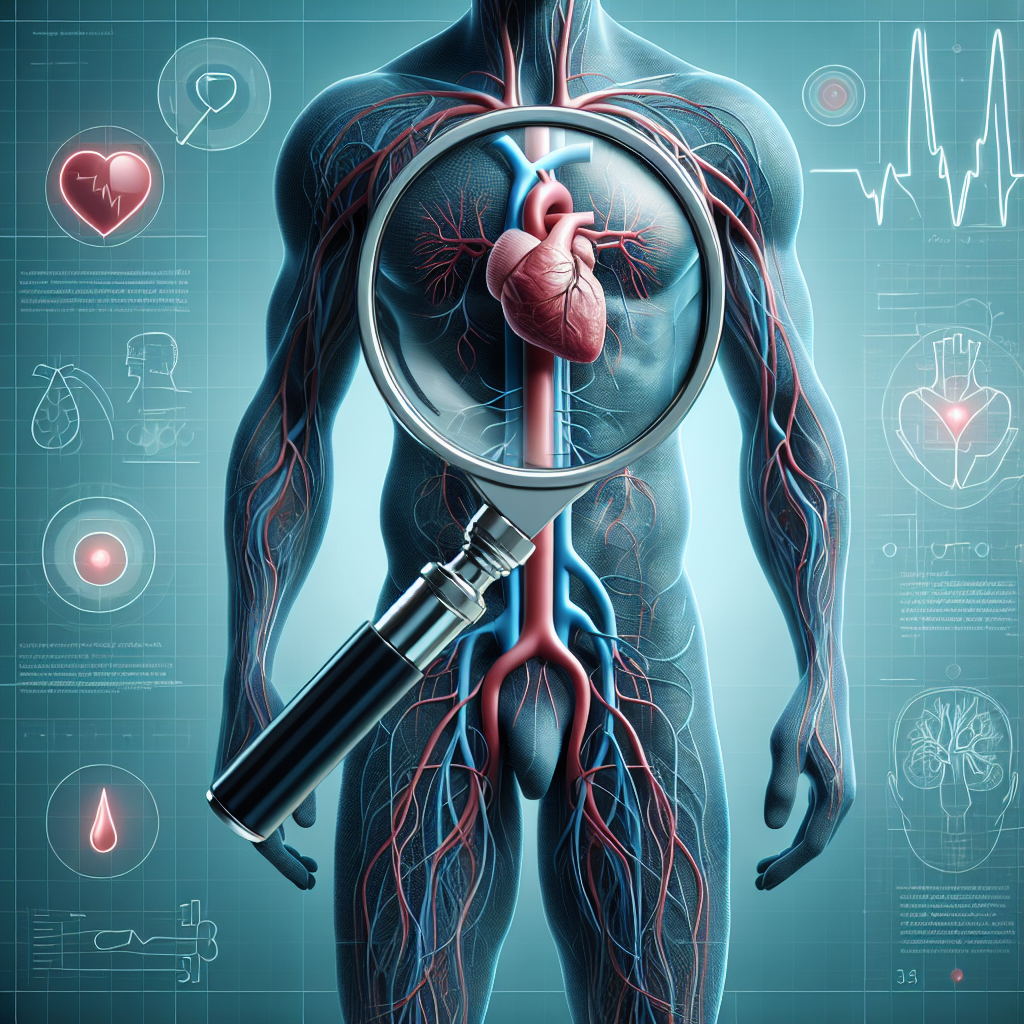
The link between erectile dysfunction and heart health lies in vascular health. The vascular system, consisting of arteries, veins, and capillaries, is responsible for circulating blood throughout the body. Consequently, ED can, in many cases, manifest as compromised blood flow due to narrowed or blocked blood vessels.
For instance, if a man experiences erectile difficulties, it might serve as an early warning of deeper health concerns, akin to the ‘canary in the coal mine.’ At the center of this connection is endothelial dysfunction. The endothelium is a layer of cells lining blood vessels, playing a crucial role in vascular health. Endothelial dysfunction occurs when blood vessels lose their ability to fully dilate. It is a precursor to atherosclerosis, a condition characterized by hardened and narrowed arteries. Since the penile arteries are smaller than those around the heart, they might exhibit dysfunction signs earlier, serving as an early warning sign for systemic vascular issues, including those associated with heart disease.
Erectile Dysfunction as a Predictor of Heart Disease
Research shows that men with erectile dysfunction are at an increased risk of cardiovascular disease. According to several studies, ED precedes coronary artery disease in nearly 70% of cases. This statistic underscores the importance of viewing erectile dysfunction not just as a sexual or psychological issue but as a potential early warning signal for heart problems, as highlighted in the Journal of the American College of Cardiology.
Taking Action: Monitoring and Managing Health
Recognizing the connection between erectile dysfunction and vascular health can empower men to proactively take charge of their well-being. Here are some steps that individuals can take to address ED and potentially prevent cardiovascular complications:
# Consult a Healthcare Professional
If you experience symptoms of ED, consult a healthcare provider. They can offer guidance, conduct tests, and suggest treatments, including medication or lifestyle modifications. A resourceful site like eDrugstore.com provides access to medications and advice related to ED and overall health management.
# Embrace Heart-Healthy Habits
Adopting a heart-healthy lifestyle benefits both erectile function and overall cardiovascular health. Engage in regular physical activity, maintain a balanced diet rich in fruits, vegetables, whole grains, and lean proteins, and strive to achieve a healthy weight.
# Monitor Cardiovascular Markers
Regularly check blood pressure, cholesterol levels, and blood glucose to catch any signs of vascular trouble early.
# Quit Smoking and Limit Alcohol
Smoking damages vascular health, and excessive alcohol consumption can lead to ED. Reducing or eliminating these habits can improve vascular and overall health.
# Manage Stress
Chronic stress can contribute to ED and heart disease. Employ techniques such as mindfulness, meditation, or yoga to manage stress levels effectively.
Conclusion: Paying Attention to Body Signals
Erectile dysfunction, while a challenging topic for many, is a significant health signal that should not be ignored. Its connection to vascular health provides essential insight into a man’s potential risk for cardiovascular conditions. By understanding and addressing this connection, individuals can implement preventative measures that not only address ED but also promote long-term heart health.
In conclusion, listen to what your body may be trying to tell you. Health is holistic, and every symptom, including erectile dysfunction, offers clues about our overall well-being. Early detection and intervention can enhance your quality of life and help prevent potentially life-threatening conditions in the future.
References:
1. “Erectile Dysfunction: A Concern for Cardiovascular Health,” Journal of the American College of Cardiology.
2. Dr. Jason Rogers, Cardiologist – Expert insight on the relationship between ED and heart health.
3. eDrugstore.com – Comprehensive resource for ED-related information and medications.
