
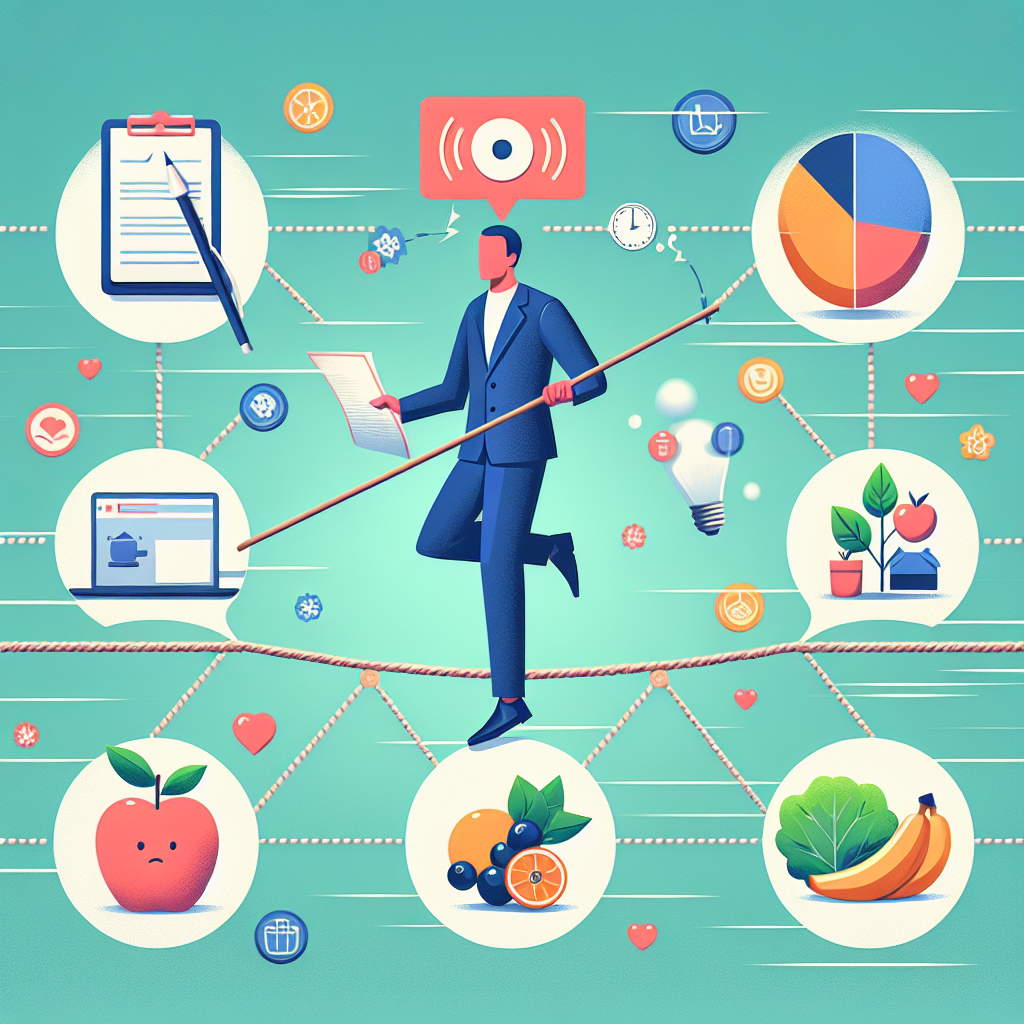
The Attention Fragmentation Problem: Why You Can’t Fully Engage Anymore
In today’s world, overwhelmed by information, our attention is a limited resource under constant pressure. Modern technology, while offering numerous advantages, has also cultivated an environment where attention fragmentation is increasingly prevalent. This phenomenon makes it difficult to fully engage with tasks, conversations, or experiences. Research from the Journal of Communication indicates that people spend, on average, about 11 minutes on a task before being interrupted. But what exactly is attention fragmentation, and why is it a widespread issue in today’s society? Let’s explore the intricacies of this modern challenge and uncover strategies to mitigate its impact.
Understanding Attention Fragmentation
Attention fragmentation occurs when focus is divided among multiple competing stimuli, making it difficult to concentrate on a single task for an extended period. This issue arises as our brains attempt to juggle various forms of information, ranging from emails and social media notifications to work tasks and personal interactions. With digital devices becoming integral to everyday life, the sheer volume of input can overwhelm our cognitive capacity, fragmenting our attention and inhibiting our ability to engage fully. Neuroscientist Dr. Gloria Mark explains, “Our brains are wired to respond to novelty, which predisposes us to distraction when faced with numerous digital alerts.”
Psychologists argue that this constant influx of potential distractions compromises the brain’s ability to concentrate. It diminishes our attention span, which is the period we can focus on a task without succumbing to distraction. Consequently, we find ourselves overloading our cognitive bandwidth, making it difficult to process and retain information. For instance, someone working on a complex project may find themselves frequently checking their phone for unrelated updates.
The Impact of Technology on Attention Fragmentation
In the digital realm, the omnipresence of smartphones, social media, and communication tools has significantly worsened attention fragmentation. Our devices provide a constant stream of alerts, notifications, and updates, each competing for immediate attention. A 2021 study found that people check their phones on average 96 times a day. This relentless influx of information often cultivates a habit of checking phones or responding to notifications almost reflexively. Social media platforms, in particular, are designed to capture and hold attention as long as possible. Features like infinite scrolling and targeted advertisements make disengagement challenging, further fragmenting focus.
The Consequences of Fragmented Attention
The implications of attention fragmentation affect various aspects of life. At work, diminished focus leads to productivity loss and increased errors. A study from UC Irvine suggests that after an interruption, it can take over 23 minutes to refocus on the original task. In personal interactions, fragmented attention hinders genuine engagement with others. In education, it disrupts effective learning by impeding comprehension and retention.
Moreover, continuous partial attention can increase stress and mental fatigue. The brain, continuously pulled in multiple directions, struggles to find moments of rest, adversely affecting mental health. Dr. Edward Hallowell, author of “Driven to Distraction,” notes, “The cost of interrupted attention significantly contributes to anxiety, depression, and burnout.”
Strategies to Combat Attention Fragmentation
Given the pervasive nature of attention fragmentation, developing strategies to combat its effects is crucial. Here are a few approaches to consider:
# Mindful Engagement
Practicing mindfulness can enhance focus and alleviate the impact of distractions. Incorporate mindful activities into your routine, such as meditation, deep breathing exercises, or mindful observation. This focused presence can help you engage more deeply with tasks, individuals, and experiences.
# Designating Tech-Free Zones
Establish areas or times where digital devices are not allowed, providing a break from constant connectivity. This might include setting tech-free zones at home or designated periods to unplug. Engaging in analog activities like gardening or reading helps reduce the urge to multitask and can improve work-life balance, a concept supported by various health tips.
# Prioritization and Time Blocking
Organize tasks by priority and use time-blocking methods to allocate specific periods for focused work. By dedicating uninterrupted time to important tasks, potential disruptions can be minimized. During these periods, silence notifications and ensure your environment is conducive to concentration.
# Digital Detox
Consider regular digital detoxes to recalibrate your relationship with technology. Whether it’s a day, a weekend, or a week, stepping back from digital devices can significantly impact your attention span. Use this time for offline activities that encourage deeper focus and connection.
# Use Technology Mindfully
Utilize digital tools that enhance concentration. Apps that block distracting websites, track screen time, or promote deep work can help manage digital consumption. Be discerning about the apps and notifications you allow, ensuring they serve a purpose rather than cluttering your cognitive space.
Conclusion
In conclusion, while attention fragmentation may be a hallmark of the modern era, it does not have to dictate our lives. By understanding its drivers and effects, and employing intentional strategies towards reclaiming our focus, we can better navigate the digital landscape. Through mindful engagement, strategic tech use, and creating environments that support concentration, we can counteract attention fragmentation to lead a more fulfilling and engaged life.
References:
– “Driven to Distraction” by Dr. Edward Hallowell
– Journal of Communication Study on Task Interruption
– UC Irvine Study on Task Resumption Time
– Various Health Tips for Work-Life Balance
