
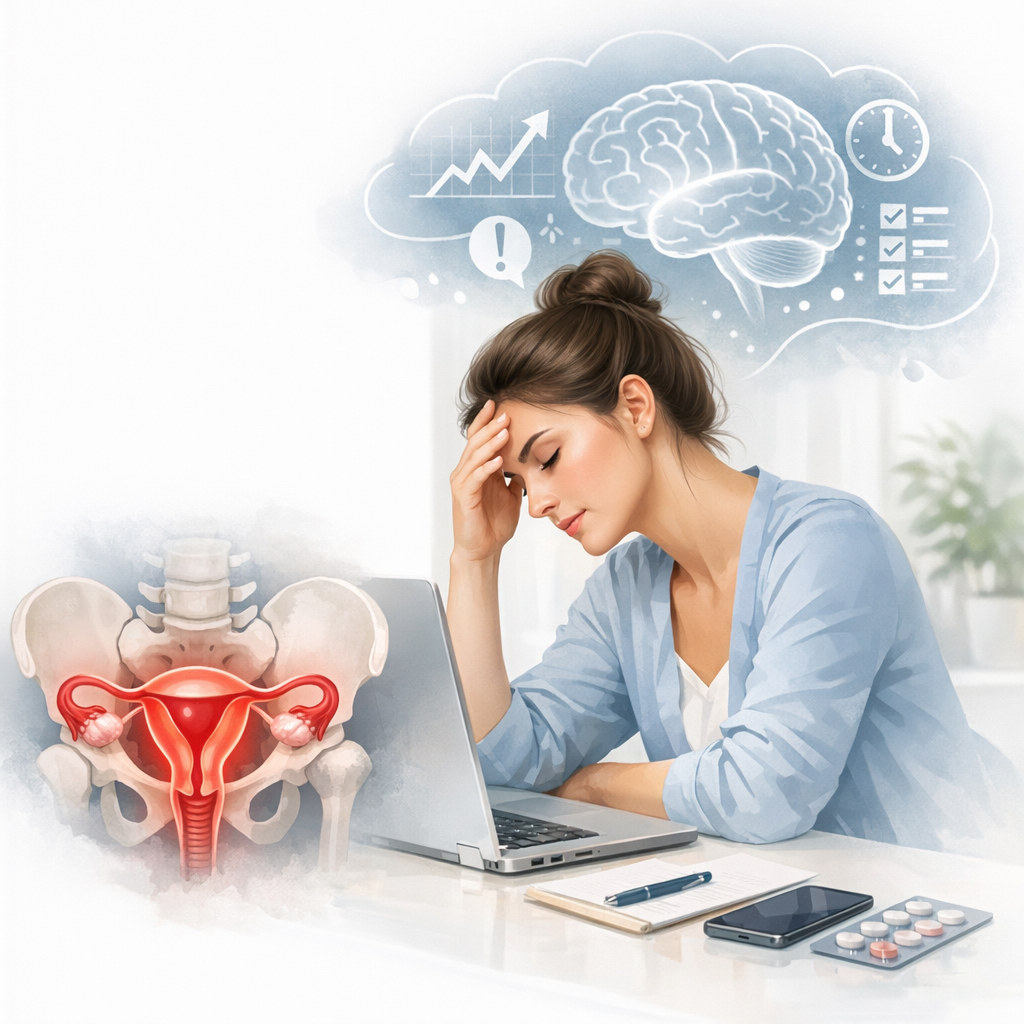
Meta title, Why Sexual Interest Drops During High Cognitive Load
Meta description, Learn why sexual interest drops during periods of high cognitive load, how stress, sleep, hormones, and mental fatigue affect libido, and when to seek medical help.
Why Sexual Interest Drops During Periods of High Cognitive Load
If your sex drive seems to disappear when your mind is overloaded, you are not broken. You may simply be human.
Sexual interest often drops during periods of high cognitive load because the brain has limited bandwidth. When your attention is consumed by work deadlines, caregiving, financial stress, decision making, school, health concerns, or constant multitasking, sexual desire can move to the background.
This matters because changes in libido can affect confidence, relationships, and emotional well being. Many people worry that a lower sex drive means something is wrong with their body, their hormones, or their relationship. Sometimes that is true, but often the first issue is mental overload.
This article explains why sexual interest drops during periods of high cognitive load, how the brain and body are involved, what symptoms to watch for, and what steps can help restore sexual wellness in a safe and realistic way.
What Is High Cognitive Load
Cognitive load is the amount of mental effort your brain is using at any given time. It includes attention, memory, planning, emotional control, problem solving, and decision making.
High cognitive load can happen during:
- Long work hours or demanding projects
- Parenting or caregiving responsibilities
- Financial or legal stress
- Relationship conflict
- Academic pressure
- Health worries
- Grief or major life changes
- Constant notifications, multitasking, and digital overload
Sexual desire is not only a hormonal event. It is also a brain based experience. Desire depends on attention, safety, mood, energy, body awareness, and emotional connection. When those systems are strained, libido often decreases.
Why Sexual Interest Drops When Your Brain Is Overloaded
Sexual interest depends on the brain being able to notice and respond to sexual cues. These cues can include touch, attraction, fantasy, emotional closeness, or visual stimulation.
When cognitive load is high, the brain gives priority to tasks that feel urgent or important. This is useful for survival and productivity, but it can reduce attention to pleasure, intimacy, and desire.
Research on sexual arousal shows that distraction can reduce sexual response in both men and women. In simple terms, if the brain is busy solving problems, it has less capacity to process erotic signals. Reference 1.
This is one reason someone may love their partner, feel attracted to them, and still have little interest in sex during mentally demanding periods.
The Brain Needs Attention for Desire
Desire usually requires some level of focus. The brain must shift from planning and problem solving into sensation, emotion, and connection.
High cognitive load can interfere with this shift in several ways:
- You may have trouble being present during intimacy
- Your mind may keep returning to tasks or worries
- You may feel mentally tired even if your body is not tired
- You may need more time to feel aroused
- You may avoid sex because it feels like one more demand
This does not mean desire is fake or fragile. It means sexual interest is closely tied to attention. When attention is under pressure, libido can change.
Stress Hormones Can Lower Sexual Interest
High cognitive load is often linked with stress. When the brain senses pressure, the body activates the stress response. This involves hormones such as cortisol and adrenaline, along with the sympathetic nervous system. Reference 2.
In the short term, stress hormones help you stay alert. In the long term, ongoing stress can interfere with sleep, mood, digestion, energy, and sexual function.
Stress can affect sexual interest by:
- Increasing muscle tension and irritability
- Reducing relaxation and emotional openness
- Making sex feel less rewarding
- Increasing anxiety about performance
- Contributing to fatigue and poor sleep
The Cleveland Clinic notes that stress can affect libido and sexual performance, including erection, arousal, and orgasm. Reference 3.
Mental Fatigue Can Feel Like Low Libido
Mental fatigue is different from ordinary tiredness. It can feel like your brain is drained, even if you have not done much physical activity.
When you are mentally fatigued, your brain may seek low effort recovery. That can mean scrolling, watching television, eating comfort foods, or wanting to be alone. Sex may require too much emotional and physical engagement in that moment.
This is especially common when sex begins to feel like a task, a performance, or an obligation. If intimacy is paired with pressure, the brain may avoid it even more.
Sleep Loss Is a Major Link Between Cognitive Load and Libido
High cognitive load often leads to poor sleep. You may stay up late working, wake during the night thinking, or sleep lightly because your nervous system is activated.
Sleep is important for hormone regulation, mood, energy, and sexual response. The CDC reports that about 1 in 3 adults in the United States do not get enough sleep. Reference 4.
Poor sleep can lower sexual interest by causing:
- Lower daytime energy
- Higher irritability
- Lower mood
- Reduced testosterone in some men
- Less motivation for intimacy
In men, sleep problems such as obstructive sleep apnea are also linked with erectile dysfunction and lower testosterone. Reference 5.
How High Cognitive Load Affects Men
Men may notice that high mental demand affects sexual interest, erections, or performance confidence. Erectile dysfunction affects about 30 million men in the United States, and stress, anxiety, sleep loss, diabetes, vascular disease, and medications can all play a role. Reference 6.
During periods of high cognitive load, men may experience:
- Less interest in initiating sex
- Difficulty getting or keeping an erection
- More performance anxiety
- Lower morning erections if sleep or hormones are affected
- Less pleasure or delayed orgasm
Not every change means low testosterone. Testosterone can influence libido, but stress, sleep, mental health, relationship factors, alcohol use, and medical conditions are also common causes.
If low libido is persistent, a licensed healthcare provider may check morning total testosterone, thyroid function, blood sugar, cholesterol, medication history, and symptoms of depression or anxiety.
How High Cognitive Load Affects Women
Women may experience sexual desire as spontaneous, responsive, or both. Spontaneous desire appears on its own. Responsive desire develops after emotional closeness, relaxation, or physical touch begins.
During high cognitive load, responsive desire can be harder to access because the brain is still busy managing tasks and worries.
Women may notice:
- Less interest in sex
- Reduced arousal or lubrication
- More difficulty reaching orgasm
- More discomfort during sex if pelvic muscles are tense
- Feeling touched out or emotionally drained
Low sexual desire with distress is common. Large population studies have found that sexual concerns affect many adults, with women reporting sexual problems more often than men in some surveys. Reference 7.
Hormonal changes can also play a role. Pregnancy, postpartum recovery, breastfeeding, perimenopause, menopause, and some birth control methods can affect libido, vaginal comfort, mood, and arousal.
When Low Sexual Interest May Be a Medical Issue
A temporary drop in sex drive during a stressful season is common. However, low desire may need medical attention if it is persistent, distressing, or linked with other symptoms.
Consider speaking with a healthcare provider if you have:
- Low libido lasting more than several months
- Pain during sex
- New erectile dysfunction
- Loss of morning erections
- Hot flashes, irregular periods, or menopause symptoms
- Depression, anxiety, or panic symptoms
- Extreme fatigue or unexplained weight changes
- Low mood, loss of pleasure, or relationship distress
- Low libido after starting a new medication
Some medications can reduce sexual desire or arousal. These may include certain antidepressants, blood pressure medications, opioids, hormonal medications, and drugs used for prostate conditions. Never stop a prescribed medication without medical guidance.
Treatment and Solutions for Low Sexual Interest During High Cognitive Load
The right solution depends on the cause. For many people, the first step is not a medication. It is reducing mental load, improving recovery, and creating conditions where desire can return.
Helpful strategies include:
- Protect sleep, aim for 7 or more hours when possible
- Reduce multitasking and schedule breaks
- Set boundaries around work and digital notifications
- Use exercise to lower stress and support mood
- Practice mindfulness, breathing, or relaxation training
- Plan intimacy during lower stress times of day
- Talk openly with your partner about pressure and expectations
- Focus on affection, touch, and closeness without requiring sex
- Seek therapy for anxiety, depression, trauma, or relationship conflict
Cognitive behavioral therapy, sex therapy, and couples therapy can help when stress, anxiety, communication patterns, or performance pressure are affecting desire. Harvard Health notes that psychological and relationship factors are often important in sexual function. Reference 8.
Medical treatment may be appropriate when there is an underlying condition. Options may include:
- Treatment for depression, anxiety, or sleep disorders
- Medication review and adjustment when safe
- Evaluation for low testosterone in men with symptoms
- Vaginal estrogen or other treatments for menopause related discomfort
- FDA approved medications for certain women with hypoactive sexual desire disorder
- PDE5 inhibitors for erectile dysfunction when appropriate
FDA approved options for certain women with acquired, generalized hypoactive sexual desire disorder include flibanserin and bremelanotide. These medications are not right for everyone. Side effects can include dizziness, nausea, fatigue, low blood pressure, and fainting risk, especially with alcohol or certain medications. Reference 9.
For erectile dysfunction, medications such as sildenafil and tadalafil may help some men. Common side effects can include headache, flushing, nasal congestion, heartburn, and changes in blood pressure. These medications should not be used with nitrates and require medical review for people with certain heart conditions. Reference 10.
Telemedicine can be a convenient way to discuss low libido, erectile dysfunction, menopause symptoms, medication side effects, or hormone concerns. A licensed clinician can review symptoms, order appropriate labs if needed, discuss safety, and help determine whether lifestyle changes, therapy, medication, or in person care is best.
How to Talk With a Partner About Mental Load and Sex
Low sexual interest can create misunderstanding. One partner may feel rejected, while the other may feel pressured or guilty. Clear communication can reduce tension.
Try using direct, non blaming language:
- I care about our intimacy, but my brain feels overloaded right now.
- I want closeness, but I need less pressure around sex.
- Can we spend time together without making sex the goal.
- I may need help reducing stress before I can feel desire again.
It can also help to share practical tasks. If one partner carries most of the planning, caregiving, housework, or emotional labor, desire may suffer. Reducing real life burden can improve emotional connection and sexual interest.
FAQ
Can stress really make your sex drive disappear
Yes. Stress can reduce sexual interest by increasing cortisol and adrenaline, disrupting sleep, increasing anxiety, and making it harder to focus on pleasure. This is usually temporary, but ongoing stress can create longer lasting libido problems. Reference 2.
Why do I love my partner but not want sex
Love and libido are related, but they are not the same. You can feel emotionally committed and still have low desire because of cognitive load, stress, fatigue, medication, pain, mood changes, hormonal changes, or relationship tension.
Does low libido mean low testosterone
Not always. Low testosterone can reduce libido in some men, but many other factors can cause low sexual interest. Sleep loss, depression, anxiety, alcohol, chronic illness, medication side effects, and relationship stress are also common causes. Testing should be guided by symptoms and performed in the morning.
How long does stress related low libido last
It depends on the cause and whether the stress improves. Some people notice desire returns after rest, better sleep, and reduced workload. If low libido lasts more than several months or causes distress, a healthcare provider can help check for medical, hormonal, mental health, or medication related causes.
Can therapy help with low sexual desire
Yes. Therapy can help when low desire is linked with anxiety, depression, stress, trauma, relationship conflict, or performance pressure. Sex therapy and couples therapy can be especially helpful for improving communication and reducing pressure around intimacy.
When should I see a doctor for low libido
Seek care if low sexual interest is persistent, distressing, sudden, linked with pain, erectile dysfunction, menstrual changes, menopause symptoms, depression, fatigue, or a new medication. A licensed healthcare provider can help identify the cause and recommend safe treatment options.
Conclusion
Sexual interest often drops during periods of high cognitive load because the brain has limited attention and energy. When your mind is focused on stress, planning, decisions, and problem solving, desire may become harder to access.
This does not mean something is wrong with you or your relationship. It may mean your nervous system needs recovery, your sleep needs support, your mental load needs to be reduced, or an underlying medical issue needs attention.
If low libido is affecting your confidence, relationship, or quality of life, consider speaking with a licensed healthcare provider. You can learn what is normal, what may need evaluation, and which treatment options are safe for your situation.
References
1. PubMed, Research on distraction, attention, and sexual arousal, www.pubmed.ncbi.nlm.nih.gov
2. NIH, National Institute of Mental Health, Stress and the body, www.nimh.nih.gov
3. Cleveland Clinic, Stress and sexual health, www.clevelandclinic.org
4. CDC, Sleep and sleep disorders, www.cdc.gov
5. NIH, National Heart, Lung, and Blood Institute, Sleep apnea and health effects, www.nhlbi.nih.gov
6. NIH, National Institute of Diabetes and Digestive and Kidney Diseases, Erectile dysfunction, www.niddk.nih.gov
7. PubMed, Laumann E O, Paik A, Rosen R C, Sexual dysfunction in the United States, JAMA, www.pubmed.ncbi.nlm.nih.gov
8. Harvard Health Publishing, Sexual health and psychological factors, www.health.harvard.edu
9. FDA, Flibanserin and bremelanotide prescribing and safety information, www.fda.gov
10. Mayo Clinic, Erectile dysfunction treatment and medication safety, www.mayoclinic.org
