
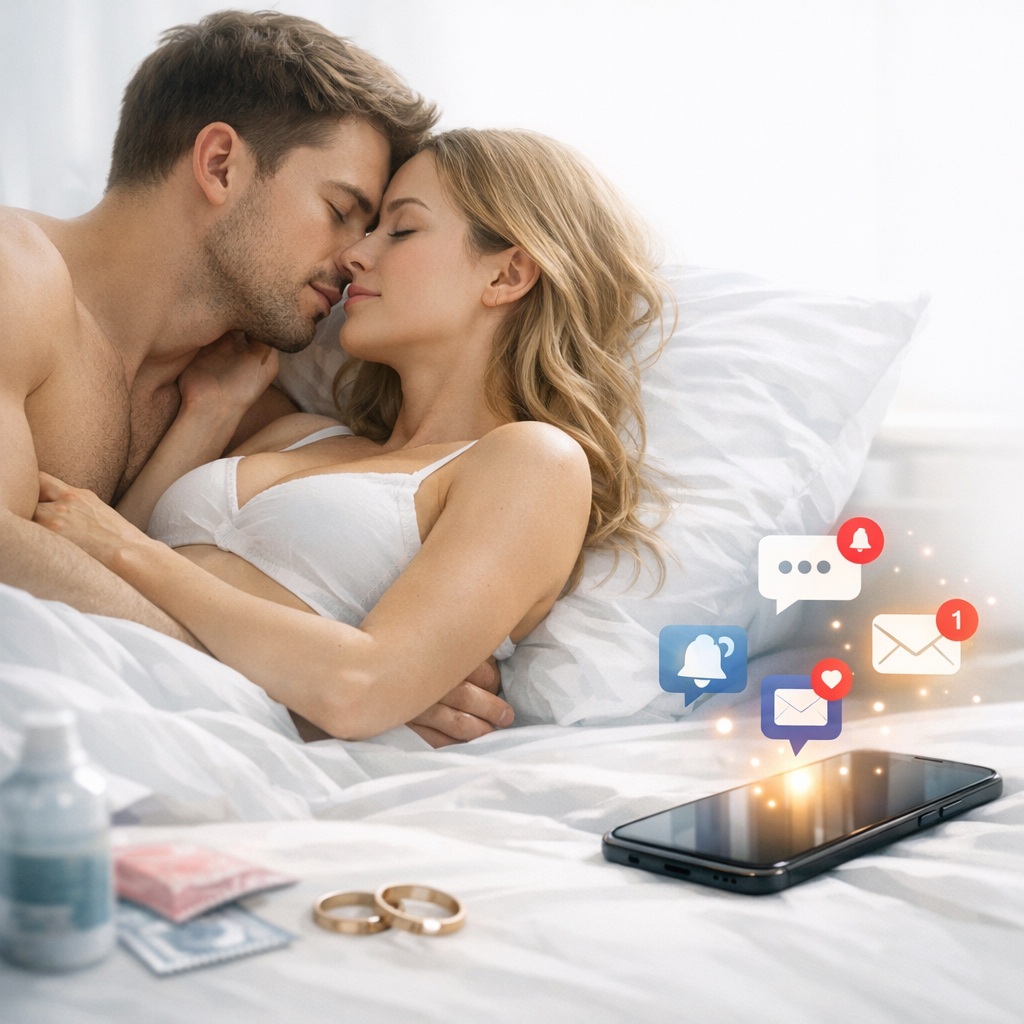
Meta title. The Hidden Cost of Constant Notifications on Intimate Focus
Meta description. Constant notifications can interrupt intimacy, raise stress, reduce arousal, and affect sexual connection. Learn how digital distraction impacts intimate focus and what you can do about it.
Introduction
Your phone buzzes. You glance at the screen for one second. A message, an email, a news alert, or a social media update pulls your mind away from the person next to you.
That small interruption may seem harmless. But during intimacy, constant notifications can have a bigger cost than many people realize. Sexual arousal depends on attention, safety, emotional connection, blood flow, hormone balance, and nervous system response. When your brain is repeatedly pulled toward a device, intimate focus becomes harder to maintain.
The hidden cost of constant notifications on intimate focus is not just about annoyance. It can affect desire, erection quality, lubrication, orgasm, relationship satisfaction, sleep, and stress levels. For some people, digital distraction can make existing sexual health concerns worse.
This article explains how notifications affect the brain and body, why they can disrupt sexual wellness, and what practical steps can help restore focus, pleasure, and connection.
Why Intimate Focus Matters For Sexual Health
Intimate focus is the ability to stay mentally and physically present during closeness, affection, and sex. It does not mean perfect concentration. It means your brain is able to stay connected enough to notice touch, desire, emotion, and pleasure.
Sexual response involves both the mind and body. Stress, anxiety, distraction, fatigue, relationship tension, and medical conditions can all interfere with arousal and performance. Mayo Clinic notes that psychological factors such as stress, anxiety, depression, and relationship problems can contribute to erectile dysfunction and other sexual concerns. Reference 1.
For women, stress, emotional distress, relationship issues, hormonal changes, and certain medications can also affect sexual desire, arousal, lubrication, and orgasm. Cleveland Clinic describes female sexual dysfunction as a common issue with physical, emotional, and relationship related causes. Reference 2.
In other words, sex is not only physical. It is also neurological, emotional, and relational. Constant notifications can interfere with all three.
How Constant Notifications Affect The Brain
Notifications are designed to capture attention. A buzz, ding, banner, or screen light creates a small alert response in the brain. Even when you do not open the phone, your mind may wonder who messaged, what happened, or whether you need to respond.
This process can create attention switching. Each time your brain shifts from your partner to your phone and back again, it takes effort to return to the moment. Research on attention and task switching shows that interruptions can reduce performance and increase mental strain. Reference 3.
During intimacy, this matters because arousal often builds gradually. Arousal may weaken when your brain moves from pleasure and connection to problem solving, social comparison, work stress, or online stimulation.
Common signs that notifications are hurting intimate focus include.
- Checking your phone during dates, cuddling, or foreplay.
- Feeling mentally distracted during sex.
- Having trouble becoming aroused unless a screen is involved.
- Losing an erection or lubrication after an interruption.
- Feeling pressure to respond to messages right away.
- Arguing with a partner about phone use.
- Using your phone in bed even when tired or emotionally disconnected.
The Stress Response And Sexual Arousal
Constant notifications can keep the nervous system in a light state of alert. This does not always feel like panic. It may feel like restlessness, urgency, or a need to keep checking.
Sexual arousal works best when the body can shift into a calm and receptive state. The parasympathetic nervous system helps support erection, lubrication, and physical relaxation. The sympathetic nervous system is more active during stress and threat response.
When notifications trigger stress, work concerns, conflict, or social comparison, the body may not fully settle into intimacy. Chronic stress is linked with changes in sleep, mood, blood pressure, inflammation, and sexual function. Harvard Health notes that stress can affect physical health and may contribute to problems with sleep, mood, and relationships. Reference 4.
For men, stress and anxiety can contribute to performance anxiety and erectile difficulties. For women, stress can lower desire, reduce arousal, and make orgasm more difficult. For all genders, stress can make intimacy feel like another task instead of a source of connection.
Notifications, Sleep, And Hormones
Phones are especially disruptive when they follow you into bed. Late night scrolling, alerts, bright screens, and emotional content can delay sleep and reduce sleep quality.
The CDC reports that about one in three adults in the United States do not get enough sleep on a regular basis. Reference 5. Poor sleep is linked with higher risk of obesity, diabetes, heart disease, depression, and reduced overall well being. It can also affect sexual health.
Testosterone, estrogen balance, cortisol, and other hormones are influenced by sleep. In one study of healthy young men, one week of sleep restriction was linked with a 10 to 15 percent reduction in daytime testosterone levels. Reference 6. Testosterone is not only important for men. It also plays a role in sexual desire for many women.
Sleep loss can also increase irritability, reduce patience, lower energy, and make emotional connection more difficult. If notifications are waking you up or keeping your brain active at night, they may be indirectly affecting your intimate focus the next day.
Technoference And Relationship Quality
Researchers sometimes use the word technoference to describe technology based interruptions in relationships. This includes checking a phone during conversations, meals, dates, and intimate moments.
Studies have linked technology interference with relationship conflict, lower relationship satisfaction, and reduced emotional connection. Reference 7. While every couple is different, many people feel rejected or less important when a partner repeatedly checks a device during private time.
This can create a cycle.
- One partner checks the phone.
- The other partner feels ignored or less desired.
- Tension or resentment rises.
- Emotional closeness decreases.
- Sex feels less connected or less frequent.
- Both partners may turn to screens for comfort or distraction.
Over time, constant notifications can train couples to be physically together but mentally elsewhere. That distance can reduce affection, trust, and sexual interest.
The Link Between Digital Distraction And Sexual Performance
Sexual performance concerns are common. Erectile dysfunction affects about 30 million men in the United States, according to the NIH. Reference 8. Female sexual dysfunction is also common, although it is often underreported because many women feel uncomfortable discussing symptoms.
Notifications do not directly cause every sexual problem. Medical conditions such as diabetes, high blood pressure, heart disease, low testosterone, menopause, pelvic pain, depression, anxiety, and medication side effects can all play a role. But digital distraction can make sexual performance problems worse by increasing mental pressure and reducing body awareness.
For example.
- A man with mild erectile difficulty may lose confidence after a text interrupts arousal.
- A woman with low desire may find it harder to become interested when her mind is still on work emails.
- A couple trying to reconnect may struggle if phones stay visible and active during intimacy.
- A person with anxiety may become more focused on performance after checking messages or social media.
Sexual arousal is vulnerable to interruption. The brain needs enough safety and attention to stay engaged.
Porn, Social Media, And Comparison Pressure
Not all screen time is the same. Some digital content can create extra pressure around body image, sexual performance, or relationship expectations.
Social media may expose people to idealized images of bodies, relationships, fitness, and lifestyles. This can increase comparison and reduce confidence. Low body image and anxiety can affect desire and comfort during sex.
Porn use is a more complex topic. Some adults use pornography without sexual problems. For others, frequent or compulsive use may affect expectations, arousal patterns, or partner connection. Research on pornography and sexual function is mixed, and effects vary by person, frequency, age, relationship status, and mental health. Reference 9.
The key issue is not moral judgment. It is whether digital habits are supporting or interfering with real life intimacy, sexual function, and emotional health.
When Notifications May Signal A Bigger Health Concern
Sometimes constant phone checking is not just a habit. It may be linked with stress, anxiety, depression, loneliness, attention problems, or compulsive behavior.
You may want to speak with a licensed healthcare provider or mental health professional if you notice.
- You feel unable to stop checking your phone.
- Phone use is causing serious relationship problems.
- You avoid intimacy because of anxiety or low desire.
- You have ongoing erectile dysfunction, pain with sex, or loss of orgasm.
- You feel depressed, numb, or disconnected most days.
- You use screens to escape distress, conflict, or loneliness.
- Your sleep is poor for several weeks or longer.
Sexual health concerns are medical concerns. They are common, treatable, and worth discussing.
Practical Ways To Protect Intimate Focus
The goal is not to remove technology from your life. The goal is to make sure it does not control your attention during important moments.
Try these evidence informed strategies.
- Use do not disturb mode during dates, meals, and intimate time.
- Keep phones out of the bedroom, or at least away from the bed.
- Turn off nonessential push notifications.
- Set a phone curfew 30 to 60 minutes before sleep.
- Use a regular alarm clock instead of your phone.
- Create phone free rituals, such as evening walks or morning coffee.
- Talk openly with your partner about what feels respectful.
- Practice mindfulness by noticing breath, touch, and body sensations.
- Avoid checking work email right before sex or sleep.
- Schedule time for messages so you do not feel on call all day.
Mindfulness based approaches may help some people with sexual concerns by improving body awareness, reducing judgment, and strengthening attention. Research has explored mindfulness for sexual desire, arousal, and pain related concerns, especially in women. Reference 10.
Treatment Options When Sexual Problems Continue
If improving digital boundaries does not solve the issue, medical treatment may help. The right option depends on symptoms, health history, medications, hormone levels, and relationship factors.
For erectile dysfunction, common treatments include lifestyle changes, counseling, oral medications, vacuum erection devices, injectable medications, and other therapies. Oral erectile dysfunction medications, known as PDE5 inhibitors, can be effective for many men. However, they are not safe for everyone. The FDA warns that these medications should not be used with nitrates because the combination can cause a dangerous drop in blood pressure. Reference 11.
Common side effects of PDE5 inhibitors may include headache, flushing, nasal congestion, upset stomach, back pain, dizziness, or vision changes. Anyone with chest pain, severe heart disease, very low blood pressure, or certain eye conditions should ask a clinician before use.
For low desire, painful sex, vaginal dryness, orgasm concerns, or menopause related symptoms, treatment may include.
- Medication review to check for sexual side effects.
- Hormone evaluation when appropriate.
- Vaginal moisturizers or lubricants.
- Pelvic floor physical therapy.
- Counseling or sex therapy.
- Treatment for depression, anxiety, or relationship stress.
- Menopause care, which may include local vaginal estrogen for certain patients.
Telemedicine can be a helpful first step for many sexual health concerns. A licensed provider can review symptoms, screen for medical risks, order labs when appropriate, discuss treatment choices, and decide whether in person care is needed. Telehealth is not a replacement for emergency care or a full physical exam when symptoms require one, but it can make private, timely support easier to access.
Safety Considerations Before Starting Treatment
Do not assume a sexual health problem is only caused by stress or notifications. Erectile dysfunction can sometimes be an early warning sign of cardiovascular disease. The NIH notes that ED may be linked with conditions affecting blood vessels and nerves, including diabetes and heart disease. Reference 8.
Seek medical care promptly if sexual symptoms occur with chest pain, shortness of breath, fainting, severe pelvic pain, new genital sores, abnormal bleeding, or signs of infection.
Also speak with a clinician before using supplements marketed for sexual performance. Some sexual enhancement products contain hidden drug ingredients or unsafe combinations. The FDA has warned consumers about tainted sexual enhancement products sold online and in stores. Reference 12.
FAQ
Can phone notifications really affect sexual arousal.
Yes. Notifications can interrupt attention, increase stress, and pull the brain away from physical sensation and emotional connection. This can make it harder to become or stay aroused, especially if stress, anxiety, or relationship tension is already present.
Why do I lose interest in sex after checking my phone.
Your phone may shift your brain from intimacy to work, social media, news, conflict, or problem solving. Once your nervous system moves into alert mode, desire and arousal may decrease. This is common and does not mean something is wrong with you.
Should couples keep phones out of the bedroom.
For many couples, yes. Keeping phones out of the bedroom can reduce sleep disruption, lower distraction, and create clearer boundaries for rest and intimacy. If you need your phone for emergencies, use do not disturb settings that allow only important contacts.
Can reducing notifications improve erectile dysfunction.
It may help if distraction, stress, sleep loss, or performance anxiety is contributing to the problem. However, ED can also be related to heart disease, diabetes, blood pressure, hormones, medications, or mental health. Persistent ED should be discussed with a licensed healthcare provider.
What if my partner is always on their phone during intimate time.
Try a calm conversation outside the bedroom. Use clear language, such as, I feel more connected when our phones are away during private time. Suggest a shared plan, such as phone free evenings or do not disturb mode. If conflict continues, couples counseling may help.
When should I get medical help for low desire or sexual problems.
Consider medical help if symptoms last for several weeks or months, cause distress, affect your relationship, involve pain, or appear after starting a new medication. A healthcare provider can check for physical, hormonal, emotional, and medication related causes.
Conclusion
The hidden cost of constant notifications on intimate focus is real. Digital interruptions can affect attention, stress, sleep, emotional connection, and sexual response. A phone alert may seem small, but repeated interruptions can make it harder to feel present, relaxed, and connected.
The good news is that simple changes can help. Turning off nonessential notifications, setting phone free times, protecting sleep, and talking openly with your partner can support better intimacy. If sexual concerns continue, it is important to look beyond the phone and consider medical, hormonal, mental health, and relationship factors.
If you are experiencing ongoing erectile dysfunction, low desire, orgasm concerns, painful sex, or intimacy related stress, consider speaking with a licensed healthcare provider. Sexual wellness is part of overall health, and support is available.
References
1. Mayo Clinic, Erectile dysfunction, www.mayoclinic.org
2. Cleveland Clinic, Female sexual dysfunction, www.clevelandclinic.org
3. PubMed, Research on interruptions, attention, and task switching, www.pubmed.ncbi.nlm.nih.gov
4. Harvard Health Publishing, Understanding the stress response, www.health.harvard.edu
5. CDC, Sleep and sleep disorders, www.cdc.gov
6. PubMed, Effect of one week of sleep restriction on testosterone levels in young healthy men, www.pubmed.ncbi.nlm.nih.gov
7. PubMed, Technology interference and relationship outcomes, www.pubmed.ncbi.nlm.nih.gov
8. NIH, National Institute of Diabetes and Digestive and Kidney Diseases, Erectile dysfunction, www.niddk.nih.gov
9. PubMed, Pornography use and sexual function research, www.pubmed.ncbi.nlm.nih.gov
10. PubMed, Mindfulness based interventions for sexual function, www.pubmed.ncbi.nlm.nih.gov
11. FDA, Erectile dysfunction medicines and nitrate safety information, www.fda.gov
12. FDA, Tainted sexual enhancement products, www.fda.gov
