
Meta title. The Pressure Paradox, How Expectation Reduces Natural Interest
Meta description. Learn how pressure, expectations, anxiety, and performance concerns can reduce natural interest in sex, intimacy, exercise, and healthy habits. Explore causes, treatment options, and when to speak with a licensed healthcare provider.
Introduction
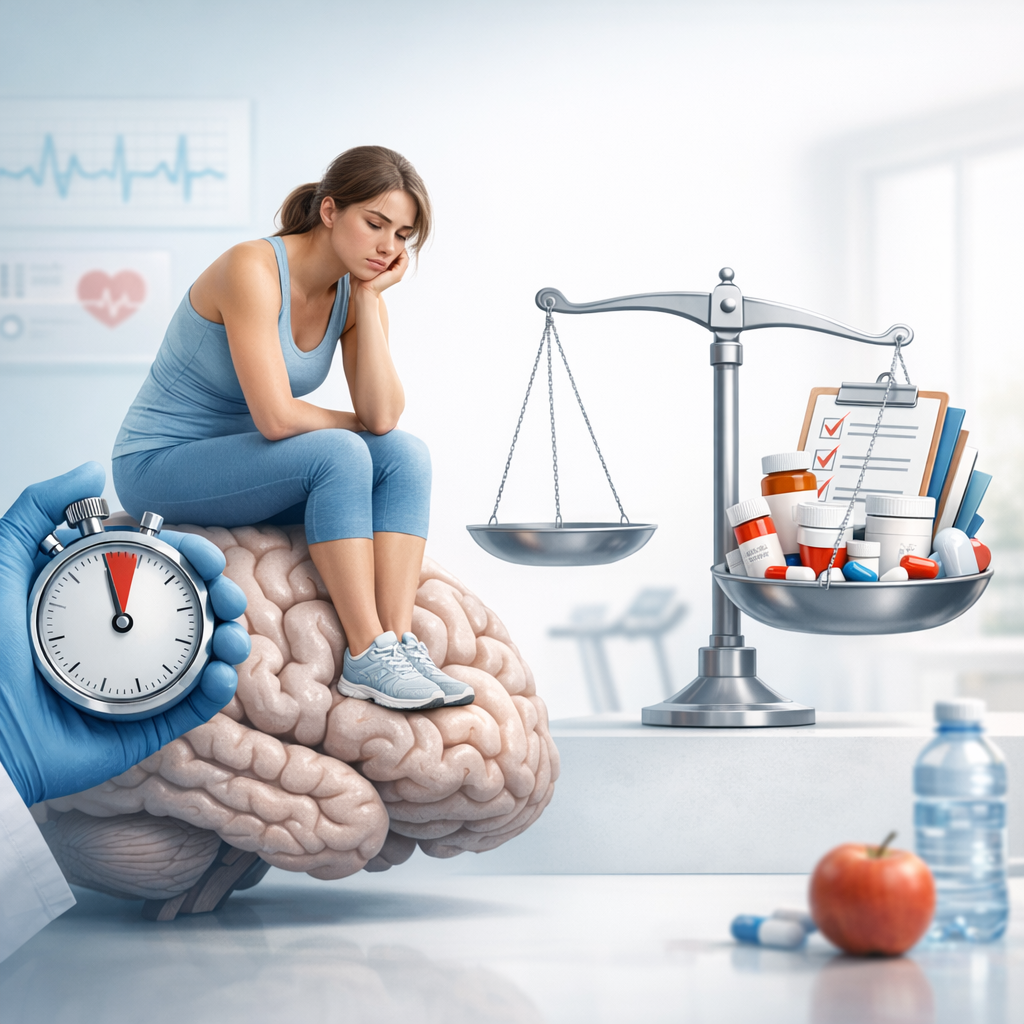
Have you ever wanted to want something, but the more you tried, the less natural it felt. This is the pressure paradox. When expectation gets too high, natural interest often drops.
This can happen with sex, dating, exercise, weight loss, work, sleep, and even hobbies. A person may care deeply about a goal, but once the goal becomes loaded with pressure, the brain may start to treat it like a threat instead of a source of pleasure.
The pressure paradox is especially common in sexual wellness. A person may want intimacy, want to please a partner, or want to feel desire again. But the pressure to perform can trigger anxiety, reduce arousal, and make natural interest harder to access.
This article explains why expectation can reduce interest, how stress affects the brain and body, what symptoms to watch for, and what evidence based solutions may help.
What Is The Pressure Paradox
The pressure paradox describes a common human response. When something becomes too important, too measured, or too tied to approval, the body may become less relaxed and less naturally interested.
Interest often grows best in conditions of safety, curiosity, and choice. Pressure adds urgency and evaluation. Instead of thinking, this feels good, the mind may shift to thoughts like, am I doing this right, what if I fail, or what if I disappoint someone.
In sexual health, this can show up as low desire, difficulty getting aroused, erectile dysfunction, delayed orgasm, pain with sex, or avoidance of intimacy. Sexual dysfunction is common. A large study published in JAMA found that sexual problems affected about 43 percent of women and 31 percent of men in the United States. Reference 1.
The pressure paradox can affect anyone. It is not a character flaw, and it does not mean a person does not love their partner. It is often a nervous system response.
How Expectation Changes The Brain And Body
Natural interest depends on brain pathways involved in motivation, reward, attention, and emotional safety. Dopamine helps support motivation and anticipation of reward. Stress and anxiety can disrupt this process by shifting the body into a threat response.
When pressure rises, the sympathetic nervous system becomes more active. This is the fight or flight system. It can increase heart rate, muscle tension, and worry. In small amounts, this can improve focus. In larger amounts, it can interfere with pleasure, arousal, digestion, sleep, and sexual performance.
Chronic stress is linked with higher cortisol levels and changes in mood, sleep, appetite, and immune function. The NIH notes that long term stress can affect many body systems, including cardiovascular, digestive, immune, and reproductive health. Reference 2.
For sex specifically, arousal often needs blood flow, nerve signaling, hormone balance, and psychological comfort. Pressure can interfere with each part of that system.
Common Signs That Pressure Is Reducing Natural Interest
The pressure paradox can look different from person to person. Some people feel anxious. Others feel numb, distracted, or disconnected.
Common signs include:
- Interest fades once something feels expected or scheduled.
- Sex feels like a task instead of a shared experience.
- You avoid intimacy because you fear disappointing your partner.
- You feel more interested when there is no pressure to perform.
- You monitor your body instead of enjoying the moment.
- You have trouble with erection, lubrication, orgasm, or arousal during stressful times.
- You feel guilty for not feeling the way you think you should feel.
- You compare your desire to a partner, past version of yourself, or media image.
These symptoms can overlap with medical conditions, mental health concerns, medication side effects, and relationship stress. If symptoms continue, a healthcare provider can help identify the cause.
Why Pressure Can Lower Sexual Desire
Sexual desire is not always spontaneous. Many people expect desire to appear suddenly and naturally. But research and clinical practice show that desire can also be responsive. Responsive desire means interest may build after emotional connection, relaxation, touch, or playful intimacy begins.
This is important because a person may think, if I do not feel desire first, something is wrong. That belief can create more pressure. In reality, desire often changes with stress, age, hormones, health, sleep, relationship quality, and life stage.
The Mayo Clinic notes that low sex drive can be related to physical causes, hormone changes, medication use, fatigue, mental health, and relationship concerns. Reference 3.
In men, performance pressure can contribute to erectile dysfunction. Erectile dysfunction affects about 30 million men in the United States, according to the NIH. Reference 4. In women, pressure may contribute to low desire, reduced lubrication, pelvic floor tension, and pain with sex.
Once a person has one difficult sexual experience, the brain may begin to anticipate the next one with fear. This cycle can become self reinforcing.
The Role Of Anxiety, Depression, And Stress
Anxiety and depression are closely connected with low interest and sexual dysfunction. Anxiety can make the mind scan for danger. Depression can reduce pleasure, energy, self esteem, and motivation.
The CDC reports that anxiety and depression symptoms are common among adults and can affect daily function, relationships, sleep, and overall health. Reference 5.
Stress also affects lifestyle habits that support desire. People under stress may sleep less, drink more alcohol, exercise less, or eat less consistently. These changes can reduce energy and libido.
Medications can play a role too. Some antidepressants, especially selective serotonin reuptake inhibitors, can cause sexual side effects, including lower desire, delayed orgasm, or erectile changes. Never stop a prescription medication without speaking with a clinician. Safer options may include dose adjustment, switching medication, adding therapy, or using targeted sexual health treatments.
Medical Causes That Can Mimic The Pressure Paradox
Pressure is common, but it is not the only possible cause of reduced interest. A medical evaluation may be helpful, especially when symptoms are new, persistent, or distressing.
Possible medical contributors include:
- Low testosterone in men.
- Thyroid disorders.
- Diabetes or insulin resistance.
- High blood pressure or cardiovascular disease.
- Menopause or perimenopause.
- Vaginal dryness or genitourinary syndrome of menopause.
- Pelvic pain, endometriosis, or pelvic floor dysfunction.
- Sleep apnea or chronic fatigue.
- Alcohol or substance use.
- Medication side effects.
Cleveland Clinic notes that erectile dysfunction can be an early sign of cardiovascular disease because healthy erections depend on blood vessel function. Reference 6. This is one reason medical evaluation matters, even when anxiety seems like the obvious cause.
How To Reduce Pressure And Rebuild Natural Interest
The goal is not to force interest. The goal is to make interest easier to return. That often means reducing the sense of threat and increasing safety, curiosity, and choice.
Helpful strategies include:
- Shift the goal from performance to connection.
- Remove pass or fail thinking from intimacy.
- Use nonsexual touch without expectation of sex.
- Talk openly with a partner about pressure and fear.
- Schedule connection time, not mandatory sex.
- Practice slow breathing to calm the nervous system.
- Limit alcohol, since it can worsen arousal and erections.
- Improve sleep, since poor sleep can lower libido and testosterone.
- Exercise regularly, which supports mood, circulation, and metabolic health.
Mindfulness based approaches may help some people with sexual desire and arousal by reducing distraction and body monitoring. PubMed indexed studies have found that mindfulness based therapy can improve sexual function in some women with sexual distress. Reference 7.
Treatment Options For Sexual Pressure And Low Desire
Treatment depends on the cause. Many people benefit from a combined approach that addresses the body, mind, and relationship.
Common options include:
- Medical evaluation. A clinician may check medications, blood pressure, hormone concerns, diabetes risk, thyroid function, and mood symptoms.
- Sex therapy. A certified sex therapist can help with performance anxiety, desire differences, communication, and avoidance patterns.
- Cognitive behavioral therapy. CBT can help identify fear based thoughts and reduce anxiety driven behaviors.
- Couples counseling. This can help partners reduce blame, improve communication, and rebuild emotional safety.
- Pelvic floor physical therapy. This may help people with pain, tension, vaginismus, or pelvic floor overactivity.
- Medication changes. If a medication is affecting desire or performance, a clinician may discuss safer alternatives.
For erectile dysfunction, FDA approved phosphodiesterase type 5 inhibitors, such as sildenafil and tadalafil, may help improve erections by increasing blood flow to the penis. These medications can cause headache, flushing, nasal congestion, indigestion, dizziness, and visual changes. They should not be used with nitrate medications because the combination can cause a dangerous drop in blood pressure. Reference 8.
For certain premenopausal women with acquired, generalized hypoactive sexual desire disorder, FDA approved options include flibanserin and bremelanotide. These are not right for everyone. Side effects may include dizziness, nausea, sleepiness, low blood pressure, and fainting. Alcohol warnings and medication interactions are important safety issues. Reference 9.
For menopause related dryness or pain, vaginal moisturizers, lubricants, vaginal estrogen, and other prescription options may help. Harvard Health notes that vaginal estrogen can be effective for genitourinary symptoms of menopause, with low systemic absorption in many patients. Reference 10.
Testosterone therapy may be considered for men with confirmed low testosterone and symptoms. It should be guided by a licensed clinician and monitored with appropriate labs. Testosterone is not a general solution for every case of low desire, and it carries possible risks, including acne, fluid retention, fertility suppression, changes in red blood cell count, and prostate monitoring concerns.
How Telemedicine Can Help
Many people delay care for sexual health concerns because they feel embarrassed. Telemedicine can make the first step easier by offering private access to licensed healthcare providers.
Through telemedicine, patients may be able to discuss symptoms, review medical history, ask about medication side effects, complete lab testing when appropriate, and receive evidence based treatment if it is safe and indicated.
Telemedicine is not a replacement for emergency care or all in person exams. In person care may be needed for pelvic pain, abnormal bleeding, severe depression, chest pain, suspected infection, or complex medical concerns.
When To Speak With A Healthcare Provider
Consider speaking with a licensed healthcare provider if reduced interest or sexual difficulty lasts more than a few months, causes distress, affects your relationship, or appears suddenly.
Seek care sooner if you have:
- New erectile dysfunction with chest pain, shortness of breath, or heart disease risk.
- Pain with sex.
- Bleeding after sex.
- Severe anxiety or depression.
- Loss of morning erections.
- Symptoms of low testosterone, such as fatigue, low libido, and loss of muscle mass.
- Medication side effects that affect quality of life.
A provider can help separate normal desire changes from treatable medical or mental health conditions.
FAQ
What is the pressure paradox in relationships.
The pressure paradox in relationships happens when the expectation to feel desire, perform well, or meet a partners needs makes interest feel less natural. Pressure can increase anxiety and reduce emotional safety, which may lower desire and arousal.
Can pressure cause erectile dysfunction.
Yes. Performance anxiety can contribute to erectile dysfunction by activating the stress response and interfering with arousal. However, erectile dysfunction can also be related to blood flow, diabetes, hormones, medication side effects, and heart health, so a medical evaluation is often helpful.
Why do I want sex less when my partner expects it.
Expectation can make sex feel like an obligation instead of a choice. Desire often grows when a person feels relaxed, connected, and free to say yes or no. If sex starts to feel like a test, the body may respond with avoidance or shutdown.
Is low desire always a medical problem.
No. Desire naturally changes with stress, sleep, relationship quality, age, hormones, and life events. It becomes more important to evaluate when it is persistent, distressing, sudden, painful, or linked with other symptoms.
Can therapy help with low libido caused by pressure.
Yes. Sex therapy, CBT, mindfulness based therapy, and couples counseling can help reduce performance anxiety, improve communication, and rebuild connection. Therapy is especially helpful when fear, avoidance, guilt, or relationship tension is part of the cycle.
Are medications available for low sexual desire.
Sometimes. Treatment depends on the cause. ED medications may help men with erection concerns. Certain FDA approved medications may help some premenopausal women with hypoactive sexual desire disorder. Hormone treatment may help specific patients with confirmed deficiencies or menopause related symptoms. A licensed clinician can determine what is safe and appropriate.
Conclusion
The pressure paradox is a real and common pattern. When expectations become too heavy, natural interest can fade. This can affect sex, relationships, health goals, and daily motivation.
Reduced interest does not always mean something is broken. It may mean the body is responding to stress, fear, pressure, or unmet medical needs. The most effective approach is usually compassionate, practical, and evidence based.
If pressure, low desire, or performance concerns are affecting your quality of life, consider speaking with a licensed healthcare provider. With the right support, it is often possible to reduce pressure, understand the cause, and rebuild a healthier connection with your body and relationships.
References
1. Laumann EO, Paik A, Rosen RC. Sexual dysfunction in the United States, prevalence and predictors. JAMA. PubMed. www.pubmed.ncbi.nlm.nih.gov
2. NIH. National Institute of Mental Health. Stress and health information. www.nih.gov
3. Mayo Clinic. Low sex drive in women, symptoms and causes. www.mayoclinic.org
4. NIH. National Institute of Diabetes and Digestive and Kidney Diseases. Erectile dysfunction. www.niddk.nih.gov
5. CDC. Mental health, anxiety and depression information. www.cdc.gov
6. Cleveland Clinic. Erectile dysfunction, causes and treatment. www.clevelandclinic.org
7. PubMed. Mindfulness based therapy and sexual function studies. www.pubmed.ncbi.nlm.nih.gov
8. FDA. Sildenafil prescribing and safety information. www.fda.gov
9. FDA. Flibanserin and bremelanotide drug safety information. www.fda.gov
10. Harvard Health Publishing. Vaginal estrogen and menopause related symptoms. www.health.harvard.edu
