
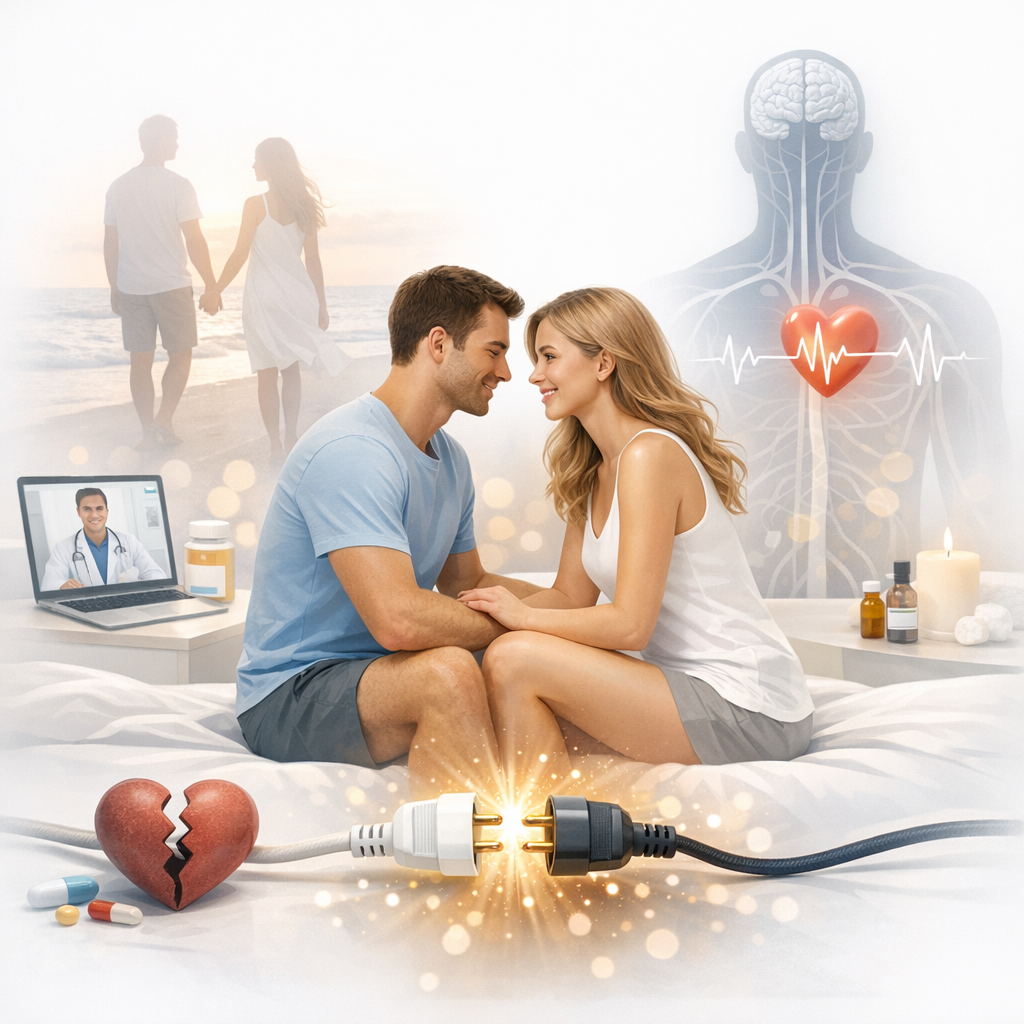
Meta Title, Why Interest Often Returns After Periods of Disconnection
Meta Description, Learn why romantic and sexual interest can return after emotional disconnection, including what affects desire, when to seek help, and evidence based treatment options.
Introduction
It can feel confusing when interest fades, then suddenly returns after weeks, months, or even years of disconnection. One day you may feel distant, numb, or unsure. Later, curiosity, attraction, emotional warmth, or sexual desire may begin to come back.
This pattern is more common than many people realize. Human desire is not fixed. It changes with stress, health, hormones, sleep, emotional safety, relationship quality, mental health, and life stage. In many relationships, interest often returns after periods of disconnection because the body and brain begin to feel safer, less overwhelmed, or more open to connection again.
This article explains why interest often returns after periods of disconnection, what may cause disconnection in the first place, when it may signal a deeper health concern, and what treatments or support options may help.
What Does Disconnection Mean In A Relationship Or Sexual Health Context
Disconnection can mean different things for different people. For some, it means less emotional closeness. For others, it means less sexual interest, fewer affectionate moments, or a sense of living beside a partner instead of with them.
Common signs of disconnection may include.
- Less desire for sex or physical touch.
- Feeling emotionally numb or distant.
- Less curiosity about a partner.
- Avoiding difficult conversations.
- Feeling more irritated than affectionate.
- Loss of confidence, attraction, or sexual satisfaction.
- Feeling disconnected from your own body or needs.
Disconnection does not always mean a relationship is failing. It can be a temporary response to stress, exhaustion, unresolved conflict, depression, hormonal changes, pain, grief, or major life transitions. The Cleveland Clinic notes that low libido can be affected by physical, emotional, and relationship factors, including stress, depression, medication effects, hormone changes, and chronic illness. Reference 1.
Why Interest Often Returns After Periods Of Disconnection
Interest often returns after periods of disconnection because desire is responsive to context. In simple terms, the brain asks, Is this safe, rewarding, and worth my energy. When the answer becomes yes again, emotional and sexual interest may start to reappear.
Several things can help interest return.
- Stress levels decrease.
- Arguments become less frequent.
- Sleep and energy improve.
- Hormones stabilize.
- Emotional safety grows.
- Physical symptoms, such as pain or erectile problems, are treated.
- Partners rebuild trust through small consistent actions.
Research on sexual desire shows that desire is influenced by both excitatory and inhibitory signals in the brain. Excitatory signals increase interest, while inhibitory signals reduce it. Stress, fear, resentment, fatigue, and pain can act like brakes. Warmth, novelty, emotional closeness, and feeling desired can act like accelerators. This model is supported in sexual medicine research and helps explain why desire may return when the brakes are reduced. Reference 2.
The Brain Plays A Major Role In Desire And Reconnection
Desire is not only a physical process. It is also a brain based process involving mood, memory, stress response, reward pathways, and attachment.
When someone feels disconnected, the brain may shift into protection mode. This can happen after conflict, rejection, burnout, trauma, or chronic stress. In that state, the body may not prioritize closeness or sex. Instead, it focuses on self protection, rest, or emotional distance.
When stress decreases or trust improves, the brain may become more open to bonding again. This may explain why romantic or sexual interest can return after a period of distance. NIH resources describe how stress affects many body systems, including hormones, sleep, mood, and immune function. Reference 3.
This does not mean desire can be forced. It means desire often improves when the conditions around it improve.
Stress And Burnout Can Temporarily Lower Interest
One of the most common reasons for disconnection is stress. Work pressure, caregiving, money concerns, parenting, school, health problems, and relationship conflict can all reduce interest in sex or emotional closeness.
Stress affects the hypothalamic pituitary adrenal axis, which controls cortisol and other stress hormones. High or prolonged stress can interfere with sleep, mood, energy, and sexual function. Reference 3.
Burnout can make people feel emotionally flat. Instead of wanting closeness, they may want silence, control, or space. When the stressful season passes, interest may return because the nervous system has more capacity for connection.
Sleep also matters. The CDC reports that about one in three adults in the United States do not get enough sleep. Poor sleep is linked with lower mood, lower energy, and reduced sexual well being. Reference 4.
Hormones Can Affect Connection And Sexual Interest
Hormones are not the only cause of attraction or desire, but they can play an important role.
In men, low testosterone can contribute to low libido, fatigue, depressed mood, reduced muscle mass, and erectile concerns. However, testosterone naturally varies by age, sleep, illness, body weight, medications, and time of day. Diagnosis should be based on symptoms and properly timed blood testing, not symptoms alone. The Endocrine Society recommends confirming low testosterone with accurate morning testing before treatment. Reference 5.
In women, estrogen changes during postpartum recovery, breastfeeding, perimenopause, and menopause can contribute to vaginal dryness, pain with sex, lower arousal, and changes in desire. Mayo Clinic states that menopause related vaginal and urinary symptoms can often be treated with vaginal moisturizers, lubricants, or prescription therapies such as low dose vaginal estrogen when appropriate. Reference 6.
Thyroid disease, high prolactin, diabetes, obesity, and some chronic illnesses can also affect sexual interest and energy. This is why persistent changes in desire may deserve a medical evaluation.
Emotional Safety Often Comes Before Sexual Interest
For many people, emotional safety is a major part of desire. If someone feels criticized, ignored, pressured, or emotionally unseen, sexual interest may decrease. If they feel respected, heard, and valued, interest may return.
This is especially important in long term relationships. Early attraction may be fueled by novelty and excitement. Over time, desire is often supported by trust, affection, shared effort, and emotional repair after conflict.
Helpful signs that emotional safety is returning include.
- Conversations feel less tense.
- Both partners listen more and defend less.
- Affection happens without pressure for sex.
- There is more kindness in daily routines.
- Past hurts are acknowledged rather than ignored.
- Both people feel allowed to say yes or no.
Interest often returns after periods of disconnection when pressure decreases and emotional safety increases.
Responsive Desire Is Normal
Many people think desire should appear suddenly and spontaneously. Sometimes it does. But many people experience responsive desire, which means desire grows after emotional closeness, touch, relaxation, or sexual stimulation begins.
This is not abnormal. It is a well described pattern in sexual health research, especially in longer relationships and among people managing stress, parenting, aging, or hormone changes. Reference 2.
For example, someone may not feel strong desire at the start of the evening. But after feeling relaxed, appreciated, and physically comfortable, interest may appear. Understanding responsive desire can reduce shame and help couples stop assuming low spontaneous desire means there is no attraction.
Medical And Mental Health Causes That Can Delay Reconnection
Sometimes interest does not return easily because an underlying health issue is involved. Common contributors include.
- Depression or anxiety.
- Chronic stress or trauma.
- Low testosterone in men.
- Menopause related vaginal dryness or pain.
- Erectile dysfunction or premature ejaculation.
- Diabetes, heart disease, thyroid disease, or obesity.
- Chronic pain or fatigue.
- Alcohol or substance use.
- Medication side effects.
Depression commonly reduces interest in sex, pleasure, and relationships. Some antidepressants, especially selective serotonin reuptake inhibitors, can also cause sexual side effects such as delayed orgasm, lower libido, or erectile problems. FDA labeling for many antidepressants includes sexual dysfunction as a possible adverse effect. Reference 7.
If low interest comes with sadness, hopelessness, panic, pain, erectile problems, irregular periods, hot flashes, major fatigue, or relationship distress, it is wise to speak with a licensed healthcare provider.
Treatment And Solutions For Rebuilding Interest
The best solution depends on the cause of disconnection. For many people, a combination of lifestyle changes, communication skills, medical care, and mental health support works best.
Common evidence based options include.
- Improving sleep, aiming for consistent quality sleep whenever possible.
- Reducing alcohol, nicotine, or recreational drug use.
- Exercising regularly, which may improve mood, circulation, energy, and body confidence.
- Managing stress with counseling, mindfulness, breathing exercises, or structured rest.
- Rebuilding nonsexual affection, such as hugs, hand holding, or time together.
- Having honest conversations without blame.
- Working with a couples therapist or sex therapist.
- Reviewing medications with a clinician if sexual side effects are suspected.
- Testing for hormone, thyroid, glucose, or other medical issues when symptoms suggest a need.
Medical treatments may help when a specific condition is present.
- For erectile dysfunction, FDA approved phosphodiesterase type 5 inhibitors, such as sildenafil or tadalafil, may help many men. Common side effects include headache, flushing, nasal congestion, indigestion, and dizziness. These medications are not safe with nitrates and may not be appropriate for some heart conditions. Reference 8.
- For low testosterone confirmed by lab testing and symptoms, testosterone therapy may be considered in men with hypogonadism. It requires medical monitoring and is not recommended for men trying to preserve fertility, because it can lower sperm production. Reference 5.
- For menopause related vaginal dryness or painful sex, lubricants, moisturizers, vaginal estrogen, or other prescription options may help. Reference 6.
- For hypoactive sexual desire disorder in some premenopausal women, FDA approved medications such as flibanserin or bremelanotide may be considered. They are not right for everyone and can have side effects, including dizziness, nausea, low blood pressure, or fainting risk, especially with alcohol for flibanserin. Reference 9.
- For depression or anxiety, therapy, medication changes, or mental health treatment may improve both mood and desire. Medication changes should only be made with a healthcare professional.
Telemedicine can be a useful starting point for many concerns related to libido, erectile dysfunction, menopause symptoms, weight management, mental health, and hormone evaluation. A licensed clinician can review symptoms, medical history, medications, and lab needs, then discuss safe treatment options. In person care may still be needed for pelvic pain, severe depression, chest pain, abnormal bleeding, or complex medical concerns.
When To Seek Professional Help
Consider speaking with a clinician or therapist if disconnection or low interest lasts several months, causes distress, affects your relationship, or comes with physical symptoms.
Seek medical care sooner if you have.
- New erectile dysfunction, especially with chest pain, shortness of breath, or heart risk factors.
- Pain during sex.
- Sudden loss of libido with fatigue, weight change, or mood changes.
- Depression, hopelessness, or thoughts of self harm.
- Hot flashes, irregular bleeding, vaginal dryness, or menopause concerns.
- Symptoms of low testosterone, such as low libido, fatigue, and reduced morning erections.
Sexual health can be an early clue to overall health. For example, erectile dysfunction may be associated with cardiovascular disease because healthy erections depend on blood flow and vascular function. Reference 10.
FAQ
Why does interest come back after I stop caring for a while
Interest may return when stress decreases, emotional safety improves, or your body has more energy. Sometimes disconnection is a protective response, not a permanent loss of feeling. If the relationship becomes safer or life feels less overwhelming, romantic or sexual interest may reappear.
Does losing interest mean the relationship is over
Not always. Many couples go through periods of low desire or emotional distance. The key question is whether both people are willing to understand what changed and work on repair. Persistent resentment, lack of safety, or emotional neglect may require therapy or deeper decisions.
Can low libido be caused by a medical problem
Yes. Low libido can be related to depression, anxiety, poor sleep, thyroid disease, low testosterone, menopause, diabetes, chronic pain, medication side effects, or substance use. A healthcare provider can help identify possible causes.
How long does it take for sexual interest to return
There is no exact timeline. Some people notice improvement within weeks after stress improves or treatment begins. Others need months of emotional repair, therapy, or medical care. Pressure to rush desire can make disconnection worse.
What can couples do to rebuild interest
Start with low pressure connection. Spend time together, talk honestly, rebuild affection, address conflict, and avoid treating sex as an obligation. If conversations become painful or repetitive, couples therapy or sex therapy can help.
Can telemedicine help with low desire or disconnection
Yes, depending on the concern. Telemedicine can help with medication review, erectile dysfunction treatment, hormone testing discussions, menopause symptoms, mental health screening, and lifestyle planning. Some symptoms still require in person evaluation.
Conclusion
Interest often returns after periods of disconnection because desire is flexible. It responds to stress, sleep, hormones, mental health, emotional safety, relationship patterns, and physical comfort. A period of distance does not always mean attraction is gone forever.
If interest is returning, take it slowly. Rebuild trust, reduce pressure, care for your health, and stay curious about what your body and relationship need. If low desire, emotional distance, pain, or sexual dysfunction continues, consider speaking with a licensed healthcare provider or therapist. With the right support, many people can better understand their desire and take healthy steps toward reconnection.
References
1. Cleveland Clinic, Low Libido, www.clevelandclinic.org
2. PubMed, Dual Control Model Of Sexual Response And Sexual Desire Research, www.pubmed.ncbi.nlm.nih.gov
3. NIH, Stress And Health Information, www.nih.gov
4. CDC, Sleep And Sleep Disorders Data And Statistics, www.cdc.gov
5. Endocrine Society, Testosterone Therapy In Men With Hypogonadism Clinical Practice Guideline, www.endocrine.org
6. Mayo Clinic, Menopause And Vaginal Dryness, www.mayoclinic.org
7. FDA, Antidepressant Medication Labeling And Safety Information, www.fda.gov
8. FDA, Sildenafil And Tadalafil Prescribing Information, www.fda.gov
9. FDA, Flibanserin And Bremelanotide Drug Safety Information, www.fda.gov
10. Harvard Health, Erectile Dysfunction And Heart Health, www.health.harvard.edu
