
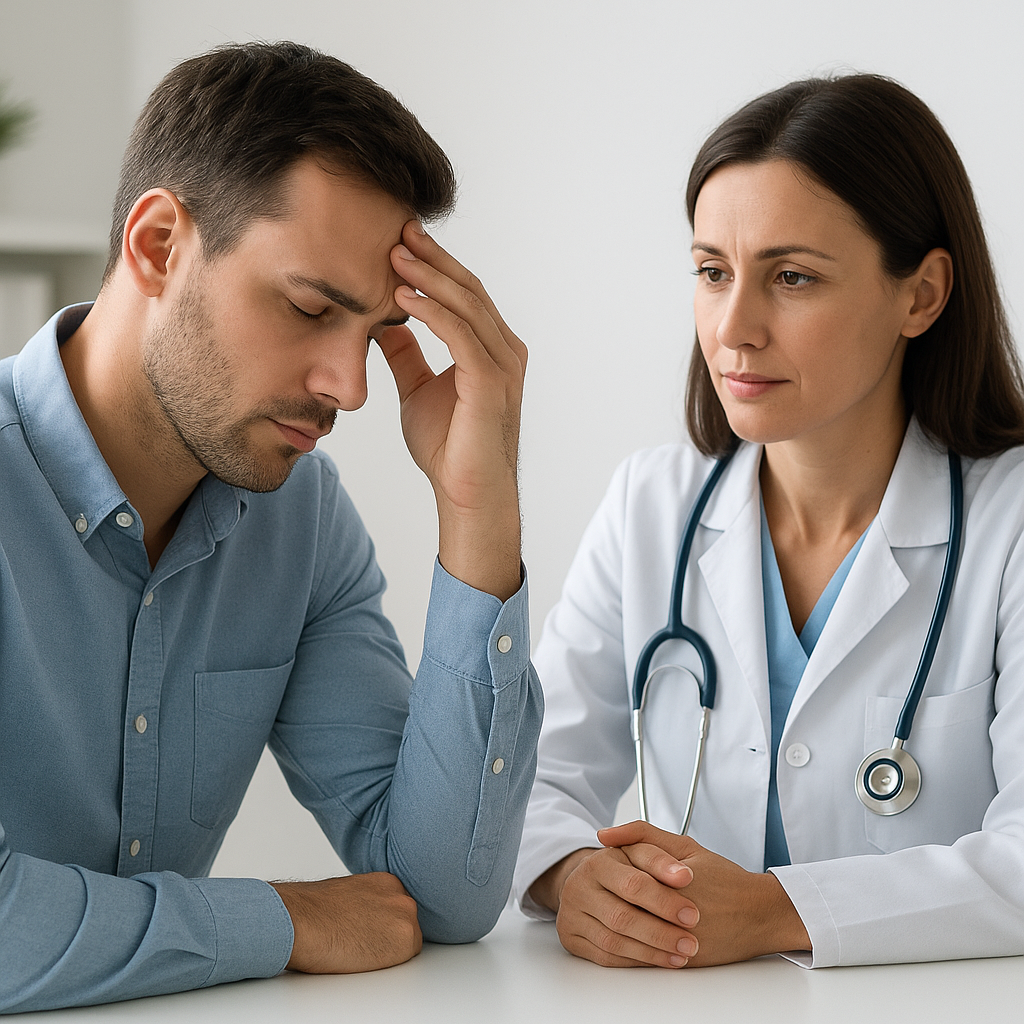
Meta title, Mindfulness for Performance Anxiety and Sexual Confidence
Meta description, Learn how mindfulness can help reduce performance anxiety, stop negative cognitive loops, and rebuild sexual confidence with evidence based strategies and medical treatment options.
Introduction
Sexual performance anxiety can feel like your mind is working against you. One worried thought leads to another, your body tenses, and the more you try to perform, the harder it becomes to relax and connect.
This cycle is more common than many people realize. Erectile dysfunction affects about 30 million men in the United States, and stress, anxiety, relationship strain, and fear of failure can all play a role. Reference 1. Women can also experience performance anxiety, including difficulty with arousal, lubrication, orgasm, or desire when worry takes over.
Mindfulness for performance anxiety is not about pretending anxiety does not exist. It is about learning how to notice anxious thoughts without letting them control your body, your choices, or your sexual confidence.
In this article, you will learn how performance anxiety works, why cognitive loops can sabotage arousal, how mindfulness can help, and when medical treatment, therapy, or telemedicine support may be useful.
What Is Sexual Performance Anxiety
Sexual performance anxiety is worry, fear, or pressure related to sexual activity. It may happen before sex, during sex, or after a difficult experience. The anxiety may focus on getting or keeping an erection, lasting long enough, reaching orgasm, pleasing a partner, body image, pain, desire, or fear of rejection.
Common signs include:
- Racing thoughts before or during sex.
- Trouble getting or maintaining an erection.
- Premature ejaculation or delayed ejaculation.
- Difficulty becoming aroused or lubricated.
- Reduced desire or avoidance of intimacy.
- Feeling detached from sensations in the body.
- Checking constantly to see if your body is responding.
- Shame, frustration, or fear after sex.
Performance anxiety can affect people of any gender or sexual orientation. It is not a character flaw. It is a mind body response that can become stronger when it is misunderstood or ignored.
How Cognitive Loops Sabotage Sexual Confidence
A cognitive loop is a repeating pattern of thoughts, emotions, and physical reactions. In sexual performance anxiety, the loop often starts with a fear based thought.
For example, a person may think, what if I cannot perform. That thought creates anxiety. Anxiety activates the stress response. The body releases stress hormones, heart rate increases, muscles tighten, and attention shifts from pleasure to threat monitoring.
This matters because sexual arousal depends heavily on relaxation, blood flow, emotional safety, and nervous system balance. The same fight or flight response that helps you escape danger can make erection, lubrication, orgasm, and desire harder to access. Mayo Clinic notes that stress, anxiety, depression, and relationship issues can contribute to sexual problems, including erectile dysfunction. Reference 2.
The loop may look like this:
- A difficult sexual experience happens.
- The person worries it will happen again.
- The body becomes tense and alert.
- Arousal becomes harder.
- The person monitors their performance even more.
- The experience feels stressful instead of pleasurable.
- The fear becomes stronger next time.
Over time, the brain may start to connect sex with pressure instead of connection. Mindfulness helps interrupt this loop by training attention to return to the present moment.
Why Mindfulness Helps Performance Anxiety
Mindfulness is the practice of paying attention to the present moment with openness and less judgment. It does not mean clearing your mind. It means noticing thoughts, sensations, and emotions without automatically reacting to them.
Research suggests mindfulness based approaches may help reduce anxiety, improve emotional regulation, and support sexual function when anxiety or distraction is part of the problem. PubMed studies have found that mindfulness based interventions can improve aspects of sexual desire, arousal, distress, and satisfaction in some populations. Reference 3.
Mindfulness for performance anxiety may help by:
- Reducing the intensity of anxious thoughts.
- Lowering body tension and stress reactivity.
- Shifting attention from performance to sensation.
- Improving awareness of pleasure and comfort.
- Helping people respond instead of panic.
- Reducing self criticism after setbacks.
Harvard Health has reported that mindfulness practices can help people manage stress and improve attention, which are both important for sexual confidence. Reference 4.
The Body Science Behind Anxiety and Arousal
Sexual arousal is controlled by a mix of brain signals, hormones, blood flow, nerve function, and emotional context. Anxiety can interfere at several points.
For erections, blood vessels in the penis need to relax so blood can flow in and stay there. Conditions such as diabetes, high blood pressure, heart disease, low testosterone, smoking, and some medications can interfere with this process. Reference 1.
For women, arousal often involves increased blood flow to genital tissues, lubrication, pelvic floor relaxation, and mental engagement. Stress, hormonal changes, pain conditions, depression, anxiety, past trauma, and certain medications can affect these responses.
The nervous system plays a key role. A calm, connected state supports arousal. A threat focused state makes the body prioritize safety. This is why telling yourself to just relax rarely works. Mindfulness gives you a practical skill for guiding the nervous system back toward calm.
Mindfulness Techniques to Break the Loop
Mindfulness works best when practiced outside the bedroom first. This trains the brain before pressure is high.
Try these evidence informed techniques:
- Breathing practice, Sit comfortably and inhale slowly through the nose. Exhale longer than you inhale. Practice for 3 to 5 minutes daily.
- Body scan, Move attention from head to toe. Notice tension, warmth, pressure, or numbness without judging it.
- Thought labeling, When a worry appears, label it as a thought. For example, this is a fear thought. Then return to breathing.
- Sensation focus, During intimacy, bring attention to touch, warmth, pressure, smell, and closeness instead of tracking performance.
- Self compassion practice, Replace harsh self talk with realistic statements, such as my body can have off days, and I can stay present.
- Pause and reset, If anxiety spikes, slow down. Breathe, communicate, change pace, or take a break without treating it as failure.
The goal is not perfect performance. The goal is flexibility. When your mind drifts into worry, you practice coming back.
How to Use Mindfulness During Intimacy
Mindfulness during sex should feel simple, not like another task to perform. Start with low pressure intimacy where the goal is connection, not intercourse or orgasm.
Helpful steps include:
- Talk with your partner before intimacy about reducing pressure.
- Agree that stopping, slowing down, or changing activities is okay.
- Focus on one sense at a time, such as touch or breathing.
- Notice when your mind checks performance, then return to sensation.
- Avoid rushing to prove that everything is working.
- Use humor and kindness when things do not go as planned.
This approach is similar to sensate focus, a sex therapy technique that uses non goal oriented touch to reduce performance pressure and rebuild comfort. It is often used by trained therapists for sex related anxiety and arousal concerns.
When Performance Anxiety May Need Medical Evaluation
Mindfulness can help many people, but not every sexual problem is caused only by anxiety. A medical evaluation is important if symptoms are new, persistent, painful, or worsening.
Speak with a licensed healthcare provider if you have:
- Erectile dysfunction that lasts more than a few weeks.
- Low libido along with fatigue, mood changes, or loss of muscle.
- Pain during sex.
- Vaginal dryness, bleeding, or pelvic pain.
- Premature ejaculation that causes distress.
- Delayed ejaculation or inability to orgasm that is new.
- Symptoms after starting a new medication.
- Chest pain, shortness of breath, or known heart disease.
Sexual symptoms can sometimes be early warning signs of cardiovascular disease, diabetes, hormonal disorders, depression, or medication side effects. Cleveland Clinic notes that erectile dysfunction may be linked to blood vessel and heart health. Reference 5.
Treatment Options for Performance Anxiety and Sexual Confidence
The best treatment depends on the cause. Many people benefit from a combination of mindfulness, lifestyle changes, therapy, and medical care.
Common treatment options include:
- Cognitive behavioral therapy, CBT helps identify and change unhelpful thought patterns that drive anxiety.
- Sex therapy, A trained sex therapist can help couples or individuals address avoidance, pressure, communication, trauma, and arousal concerns.
- Mindfulness based therapy, This can include breathing, body awareness, acceptance skills, and attention training.
- Couples counseling, This can reduce relationship conflict and improve emotional safety.
- Lifestyle changes, Exercise, sleep, reduced alcohol, smoking cessation, and stress management can improve sexual health.
- Medication review, Some antidepressants, blood pressure medications, and other drugs can affect sexual function. Never stop medication without medical guidance.
For men with erectile dysfunction, FDA approved medications called PDE5 inhibitors may be considered. These include sildenafil, tadalafil, vardenafil, and avanafil. They improve blood flow to the penis and can be effective for many men. Reference 6.
Common side effects may include headache, flushing, nasal congestion, indigestion, dizziness, back pain, or vision changes. These medications should not be used with nitrates, often prescribed for chest pain, because the combination can cause a dangerous drop in blood pressure. Reference 6.
For premature ejaculation, options may include behavioral techniques, pelvic floor therapy, condoms that reduce sensitivity, topical anesthetics, or certain prescription medications used under medical supervision.
For women with sexual pain, low desire, arousal concerns, vaginal dryness, or orgasm difficulty, treatment may include pelvic floor physical therapy, lubricants, vaginal moisturizers, hormone therapy when appropriate, medication changes, counseling, or treatment of underlying conditions. The FDA has approved certain medications for specific forms of low sexual desire in premenopausal women, but these are not right for everyone and require medical review. Reference 6.
How Telemedicine Can Help
Telemedicine can be a practical first step for people who feel embarrassed talking about sexual health in person. A licensed clinician can review symptoms, medications, medical history, mental health factors, and safety concerns through a private virtual visit.
Telemedicine may help with:
- Screening for erectile dysfunction causes.
- Discussing performance anxiety and stress.
- Reviewing medications that may affect sex drive or arousal.
- Ordering lab work when appropriate.
- Prescribing FDA approved medication when safe.
- Referring to therapy, urology, gynecology, endocrinology, or pelvic floor care.
Online care should still follow evidence based standards. Be cautious with websites that promise instant cures, sell unapproved supplements, or avoid reviewing your health history. The FDA warns that some sexual enhancement products may contain hidden drug ingredients that can be unsafe. Reference 6.
FAQ
Can mindfulness really help sexual performance anxiety.
Yes, mindfulness can help many people reduce anxiety, improve body awareness, and break negative thought loops. It works best with regular practice and may be even more effective when combined with CBT, sex therapy, lifestyle changes, or medical treatment when needed.
How long does it take for mindfulness to improve sexual confidence.
Some people notice small changes within a few weeks, especially with daily breathing or body awareness practice. Larger changes often take consistent practice over 8 to 12 weeks. Progress depends on stress level, relationship factors, medical conditions, and how long the anxiety loop has been present.
Is performance anxiety the same as erectile dysfunction.
No. Performance anxiety can cause or worsen erectile dysfunction, but erectile dysfunction can also be related to blood flow, hormones, nerves, diabetes, heart disease, medication side effects, or other medical issues. Persistent erectile problems should be discussed with a healthcare provider.
What should I do if I lose arousal during sex.
Try not to panic or judge yourself. Slow down, breathe, communicate, and shift attention back to touch and connection. If this happens often, consider speaking with a clinician or therapist to identify anxiety, medical, hormonal, or relationship factors.
Can alcohol help performance anxiety.
Alcohol may lower inhibition at first, but it can worsen erection quality, orgasm, lubrication, judgment, and sleep. Heavy drinking is linked with sexual dysfunction and other health risks. Using alcohol as a coping tool can make the anxiety loop harder to break.
When should I seek professional help.
Seek help if sexual anxiety causes avoidance, relationship distress, persistent erectile dysfunction, pain, loss of desire, depression, or low self esteem. You should also seek medical care if symptoms started suddenly or occur with other health changes.
Conclusion
Performance anxiety can make sex feel like a test instead of a source of connection and pleasure. The good news is that the cycle can be changed. Mindfulness for performance anxiety helps you notice fear based thoughts, calm the nervous system, and return attention to the present moment.
Mindfulness is not a quick fix, and it does not replace medical care when symptoms may have a physical cause. But it can be a powerful tool for breaking cognitive loops and rebuilding sexual confidence.
If sexual anxiety, erectile dysfunction, low desire, pain, or arousal problems are affecting your life, consider speaking with a licensed healthcare provider. With the right support, most people can find a safer, healthier, and more confident path forward.
References
1. NIH National Institute of Diabetes and Digestive and Kidney Diseases, Erectile Dysfunction, www.niddk.nih.gov.
2. Mayo Clinic, Erectile Dysfunction, Symptoms and Causes, www.mayoclinic.org.
3. PubMed, Mindfulness based interventions for sexual dysfunction and sexual distress, www.pubmed.ncbi.nlm.nih.gov.
4. Harvard Health Publishing, Mindfulness meditation and stress reduction, www.health.harvard.edu.
5. Cleveland Clinic, Erectile Dysfunction and Heart Health, www.clevelandclinic.org.
6. FDA, Sexual enhancement products and prescription medication safety information, www.fda.gov.
7. CDC, Mental health, stress, and alcohol related health information, www.cdc.gov.
