
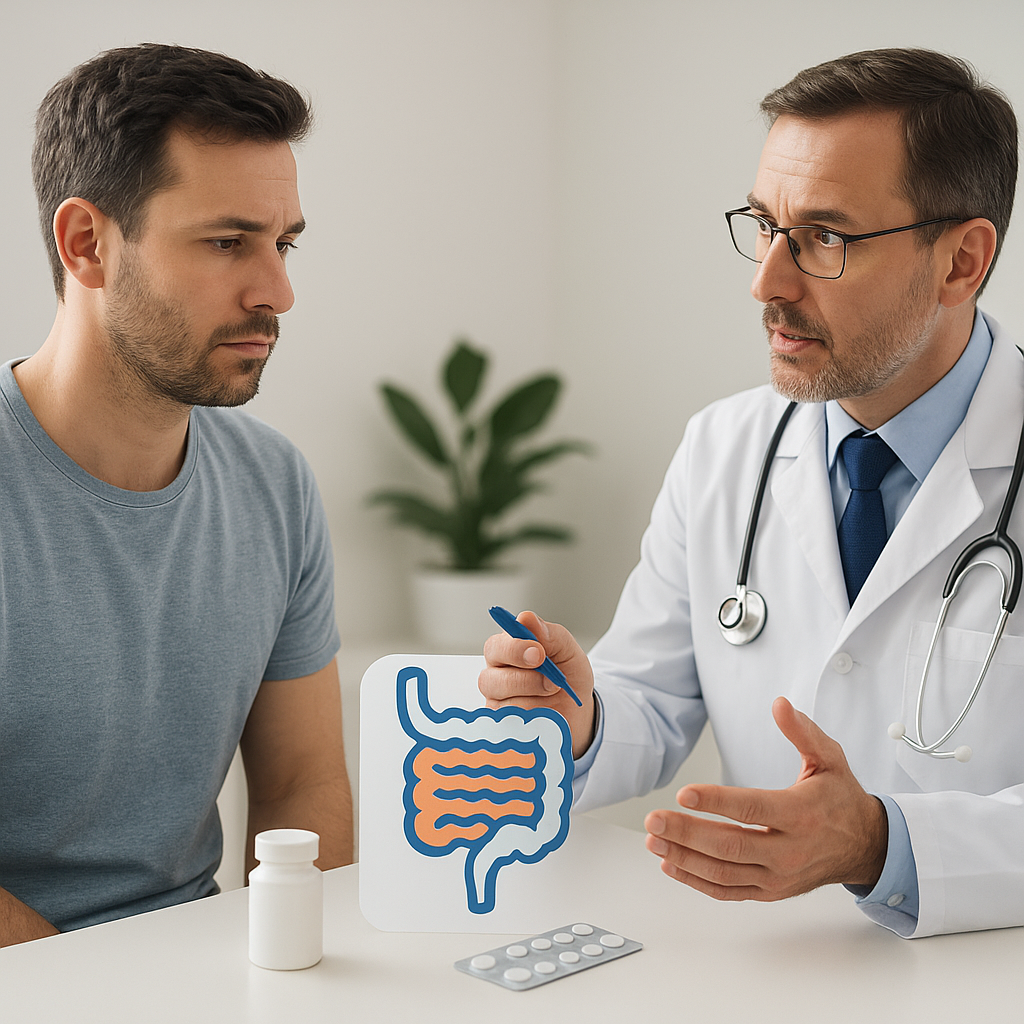
Meta title, How Gut Health Influences Testosterone Levels and Male Sexual Function
Meta description, Learn how gut health may affect testosterone levels, erectile function, libido, inflammation, weight, and male sexual health, plus evidence based ways to support hormones and sexual performance.
How Gut Health Influences Testosterone Levels and Impacts Male Sexual Function
Your gut does more than digest food. It helps regulate inflammation, metabolism, body weight, immune function, and even hormone balance. Because testosterone is closely tied to these systems, poor gut health may play a role in low testosterone symptoms and male sexual function.
For many men, sexual health concerns do not have one single cause. Low libido, erectile dysfunction, fatigue, weight gain, and mood changes can be linked to testosterone, blood flow, stress, sleep, medications, and underlying health conditions. Gut health may be one more important part of that bigger picture.
This article explains how gut health influences testosterone levels, how it may affect erectile function and libido, and what evidence based steps can support both digestive and male sexual health.
What Is Gut Health
Gut health refers to how well your digestive system works and how balanced your gut microbiome is. The gut microbiome is the collection of bacteria, fungi, viruses, and other microorganisms that live mostly in the intestines.
A healthy gut microbiome helps with several key functions.
- Breaking down food and supporting nutrient absorption
- Producing certain vitamins and short chain fatty acids
- Supporting immune system function
- Helping regulate inflammation
- Communicating with the brain through the gut brain axis
- Influencing metabolism, blood sugar, and body weight
When the gut microbiome becomes less balanced, sometimes called dysbiosis, it may contribute to inflammation, digestive symptoms, metabolic problems, and changes in immune function. Research shows that the gut microbiome is linked with obesity, type 2 diabetes, inflammatory bowel disease, and cardiovascular risk factors, all of which can also affect testosterone and sexual performance. Reference 1.
How Testosterone Supports Male Sexual Function
Testosterone is the main male sex hormone. It is produced mostly in the testicles and is controlled by signals from the brain through the hypothalamic pituitary gonadal axis.
Testosterone plays a role in many areas of male health.
- Sex drive and sexual desire
- Erectile function, although erections also depend heavily on blood flow and nerve function
- Sperm production
- Muscle mass and strength
- Bone density
- Energy and mood
- Red blood cell production
Low testosterone, also called male hypogonadism when confirmed by testing and symptoms, can cause reduced libido, fewer morning erections, fatigue, depressed mood, loss of muscle, increased body fat, and infertility. Mayo Clinic notes that testosterone levels can decline with age, but symptoms should be evaluated because many other conditions can look similar. Reference 2.
Erectile dysfunction is also common. The National Institutes of Health reports that erectile dysfunction affects about 30 million men in the United States. Reference 3. While low testosterone can contribute, most cases of erectile dysfunction involve blood vessel health, diabetes, high blood pressure, nerve problems, medication effects, stress, or anxiety.
The Gut Testosterone Connection
The gut health and testosterone connection is an active area of research. It is not as simple as saying that improving gut health will automatically raise testosterone. However, several pathways may explain why the gut can influence hormone balance and male sexual health.
These pathways include inflammation, body weight, insulin resistance, nutrient absorption, liver metabolism, stress signaling, and immune activity.
In animal studies, changes in the gut microbiome have been linked with changes in testosterone and reproductive function. Some human studies also suggest associations between gut bacteria patterns and hormone levels, but more research is needed to prove direct cause and effect. PubMed indexed studies have shown that the gut microbiome may interact with sex hormones and metabolic health in complex ways. Reference 4.
Inflammation May Lower Testosterone Signaling
Chronic inflammation is one of the most important links between poor gut health and hormone disruption. When the gut barrier becomes irritated or less effective, inflammatory signals may increase throughout the body.
Inflammation can interfere with normal hormone signaling. It may affect the brain signals that tell the testicles to produce testosterone. It may also affect Leydig cells, which are the cells in the testicles that make testosterone.
Conditions linked with ongoing inflammation, such as obesity, type 2 diabetes, sleep apnea, and chronic illness, are also associated with lower testosterone levels. Cleveland Clinic notes that low testosterone can be related to chronic medical conditions, obesity, and certain medications. Reference 5.
For sexual function, inflammation also matters because it can damage blood vessels. Healthy erections require strong blood flow. Inflammation, high blood sugar, high cholesterol, and high blood pressure can all impair the blood vessels that supply the penis.
Gut Health, Weight, and Testosterone
Body weight is one of the strongest connections between gut health and testosterone levels. The gut microbiome helps regulate appetite, energy use, blood sugar control, and fat storage. An unhealthy diet and less diverse microbiome may contribute to weight gain and insulin resistance.
Excess body fat, especially belly fat, is strongly linked with lower testosterone. Fat tissue can increase the conversion of testosterone into estrogen through an enzyme called aromatase. Obesity is also associated with inflammation, insulin resistance, and lower sex hormone binding globulin, which affects measured testosterone levels.
Weight loss can improve testosterone in many men with overweight or obesity. Clinical research has found that lifestyle based weight loss and bariatric surgery can increase testosterone levels in men with obesity, especially when weight loss is significant. Reference 6.
This is one reason gut health matters. A diet that supports gut health often also supports a healthy weight, better blood sugar control, and improved cardiovascular health, all of which are important for male sexual function.
Blood Sugar, Insulin Resistance, and Erectile Function
Poor gut health may contribute to insulin resistance, which means the body has trouble using insulin to move glucose from the blood into cells. Insulin resistance can lead to prediabetes and type 2 diabetes.
Diabetes is a major risk factor for erectile dysfunction. High blood sugar can damage nerves and blood vessels needed for erections. The CDC reports that more than 38 million people in the United States have diabetes, and many more have prediabetes. Reference 7.
Men with diabetes are more likely to have erectile dysfunction and may also have lower testosterone. Improving gut health does not replace diabetes treatment, but eating more fiber rich foods, losing excess weight, and improving blood sugar control can support both digestive and sexual health.
Nutrient Absorption and Hormone Production
The body needs certain nutrients to support testosterone production, sperm health, and sexual function. Poor gut health may interfere with nutrient absorption, especially in people with celiac disease, inflammatory bowel disease, chronic diarrhea, heavy alcohol use, or certain gastrointestinal surgeries.
Nutrients that play a role in male reproductive health include.
- Zinc, which supports normal testosterone production and sperm health
- Vitamin D, which is linked with bone, immune, and hormone health
- Magnesium, which supports metabolism and muscle function
- Protein, which supports hormone production and lean muscle
- Omega 3 fats, which support heart and blood vessel health
Supplementing without testing is not always helpful and can sometimes be harmful. For example, too much zinc can cause nausea, copper deficiency, and immune problems. A licensed healthcare provider can help decide if testing or supplementation is appropriate.
The Gut Brain Axis, Stress, and Libido
The gut and brain communicate through nerves, hormones, immune signals, and chemical messengers. This is often called the gut brain axis. Stress can change gut motility, increase digestive symptoms, and alter the gut microbiome. In return, gut problems can worsen stress, mood, and sleep.
This matters because stress and poor sleep can lower libido and contribute to erectile dysfunction. Sleep is also important for testosterone production. Testosterone levels normally rise during sleep, and sleep restriction has been linked with lower daytime testosterone in men. Reference 8.
If a man has bloating, reflux, abdominal pain, constipation, or diarrhea, these symptoms can also affect confidence and sexual desire. Sexual function is physical and psychological, so gut symptoms should not be ignored.
Signs Your Gut Health May Be Affecting Your Hormones
Gut health problems do not always cause low testosterone, and low testosterone does not always mean there is a gut problem. Still, certain patterns may suggest that both should be evaluated.
Consider speaking with a healthcare provider if you have sexual health symptoms along with any of the following.
- Low libido or reduced sexual desire
- Erectile dysfunction or fewer morning erections
- Fatigue, low mood, or brain fog
- Unexplained weight gain, especially around the waist
- Bloating, constipation, diarrhea, or frequent indigestion
- Blood sugar problems or a diagnosis of prediabetes or diabetes
- Low vitamin D, iron, or B12 levels
- Symptoms of sleep apnea, such as loud snoring or daytime sleepiness
Seek prompt medical care for severe abdominal pain, black stools, blood in the stool, unexplained weight loss, persistent vomiting, chest pain, or sudden erectile dysfunction with other serious symptoms.
How to Support Gut Health and Testosterone Naturally
The best approach is to focus on habits that support the whole body. The same lifestyle steps that improve gut health often improve testosterone, erections, energy, and long term heart health.
Helpful strategies include.
- Eat more fiber, including vegetables, fruits, beans, lentils, oats, nuts, seeds, and whole grains
- Include fermented foods, such as yogurt with live cultures, kefir, kimchi, sauerkraut, or fermented vegetables if tolerated
- Choose lean proteins, such as fish, poultry, eggs, Greek yogurt, tofu, and legumes
- Limit ultra processed foods, sugary drinks, and heavy alcohol use
- Exercise regularly, combining resistance training and aerobic activity
- Aim for 7 to 9 hours of quality sleep per night
- Manage stress with therapy, mindfulness, walking, breathing exercises, or social support
- Treat constipation, reflux, diarrhea, or suspected food intolerances with medical guidance
- Avoid smoking and vaping nicotine, which can harm blood vessels
The CDC recommends regular physical activity for adults, including aerobic exercise and muscle strengthening activity. Reference 9. Exercise supports insulin sensitivity, weight control, circulation, mood, and testosterone health.
Medical Treatment Options for Low Testosterone and Sexual Dysfunction
If symptoms continue, medical evaluation is important. A clinician may order morning total testosterone testing, and sometimes free testosterone, luteinizing hormone, prolactin, thyroid tests, A1C, lipid levels, liver tests, and other labs depending on symptoms.
Testosterone therapy may be considered when a man has symptoms and repeatedly low testosterone levels confirmed by proper testing. The FDA states that testosterone products are approved for men with low testosterone caused by certain medical conditions, not simply for normal aging. Reference 10.
Testosterone replacement therapy can come as gels, injections, patches, pellets, or other forms. It may improve libido, energy, mood, anemia, and bone density in men with true hypogonadism. It is not a guaranteed fix for erectile dysfunction.
Possible risks and side effects include.
- Acne or oily skin
- Fluid retention
- Increased red blood cell count
- Worsening sleep apnea
- Breast tenderness
- Shrinking testicles
- Reduced sperm production and infertility
- Need for prostate and blood count monitoring
Men who want future fertility should discuss alternatives before using testosterone, because testosterone therapy can reduce sperm production.
For erectile dysfunction, common prescription treatments include phosphodiesterase type 5 inhibitors, such as sildenafil, tadalafil, vardenafil, and avanafil. These medications improve blood flow to the penis. Common side effects can include headache, flushing, nasal congestion, indigestion, back pain, or dizziness. They should not be used with nitrate medications because the combination can cause a dangerous drop in blood pressure. Mayo Clinic and Cleveland Clinic both emphasize that erectile dysfunction can be an early warning sign of heart or blood vessel disease. Reference 11.
Telemedicine can be a convenient way to discuss low testosterone symptoms, erectile dysfunction, weight loss, and gut related concerns with a licensed healthcare provider. A safe telemedicine visit should include a health history, medication review, appropriate lab testing when needed, and clear follow up instructions.
Can Probiotics Raise Testosterone
Probiotics may help some digestive conditions, but they are not proven to reliably raise testosterone in men. Some early research in animals and small human studies suggests possible links between probiotics, inflammation, metabolism, and reproductive hormones. However, results are not strong enough to recommend probiotics as a testosterone treatment.
If you use probiotics, choose products from reputable brands and talk with a clinician if you are immunocompromised, seriously ill, or have a central line, because probiotics can rarely cause infections in high risk people.
FAQ
Can poor gut health cause low testosterone
Poor gut health may contribute to factors linked with low testosterone, such as inflammation, obesity, insulin resistance, poor sleep, and nutrient deficiencies. However, it is usually not the only cause. Low testosterone should be confirmed with morning blood tests and reviewed by a licensed healthcare provider.
Does improving gut health improve erectile dysfunction
Improving gut health may help erectile function indirectly by supporting weight loss, blood sugar control, lower inflammation, and better heart health. However, erectile dysfunction often has several causes, including vascular disease, diabetes, medications, low testosterone, stress, and anxiety. Medical evaluation is recommended if symptoms are ongoing.
What foods are best for gut health and testosterone
Good choices include vegetables, fruits, beans, lentils, oats, nuts, seeds, whole grains, fish, eggs, lean protein, olive oil, and fermented foods with live cultures. These foods provide fiber, protein, healthy fats, vitamins, and minerals that support metabolism, blood flow, and hormone health.
Should I take testosterone boosters for gut health and libido
Be careful with over the counter testosterone boosters. Many have limited evidence, and some may contain hidden ingredients or unsafe doses. The FDA has warned consumers about certain sexual enhancement products that contain undeclared prescription drugs. Reference 12. It is safer to get tested and work with a clinician.
How do I know if I have low testosterone
Symptoms can include low libido, fatigue, depressed mood, loss of muscle, increased body fat, fewer morning erections, and infertility. The diagnosis requires blood testing, usually in the morning, because testosterone levels change throughout the day. A clinician may repeat the test to confirm results.
Can weight loss improve testosterone and sexual function
Yes, for many men with overweight or obesity, weight loss can improve testosterone levels, insulin sensitivity, blood pressure, energy, and erectile function. The best results usually come from a combination of nutrition changes, exercise, sleep improvement, and treatment of medical conditions.
Conclusion
Gut health influences testosterone levels and male sexual function through several connected pathways, including inflammation, body weight, insulin resistance, nutrient absorption, stress, and sleep. While the gut microbiome is not the only factor in low testosterone or erectile dysfunction, it can be an important part of overall male health.
The most effective approach is not a quick fix. It is a complete health strategy that supports digestion, hormones, metabolism, blood vessels, and mental well being. Eating more fiber, exercising, sleeping well, managing stress, limiting alcohol, and treating medical conditions can all make a meaningful difference.
If you have ongoing low libido, erectile dysfunction, fatigue, weight gain, or digestive symptoms, speak with a licensed healthcare provider. Proper testing can help identify the cause and guide safe, evidence based treatment.
References
1. NIH, Human Microbiome Project and microbiome research, www.nih.gov
2. Mayo Clinic, Male hypogonadism, www.mayoclinic.org
3. NIH, National Institute of Diabetes and Digestive and Kidney Diseases, Erectile dysfunction, www.niddk.nih.gov
4. PubMed, Gut microbiota and sex hormones research, www.pubmed.ncbi.nlm.nih.gov
5. Cleveland Clinic, Low testosterone, www.clevelandclinic.org
6. PubMed, Weight loss and testosterone in men with obesity, www.pubmed.ncbi.nlm.nih.gov
7. CDC, National diabetes statistics, www.cdc.gov
8. PubMed, Effect of sleep restriction on testosterone levels in young healthy men, www.pubmed.ncbi.nlm.nih.gov
9. CDC, Physical activity guidelines and health benefits, www.cdc.gov
10. FDA, Testosterone products and approved uses, www.fda.gov
11. Mayo Clinic, Erectile dysfunction diagnosis and treatment, www.mayoclinic.org
12. FDA, Tainted sexual enhancement products and consumer warnings, www.fda.gov
13. Harvard Health, Testosterone health and aging, www.health.harvard.edu
