
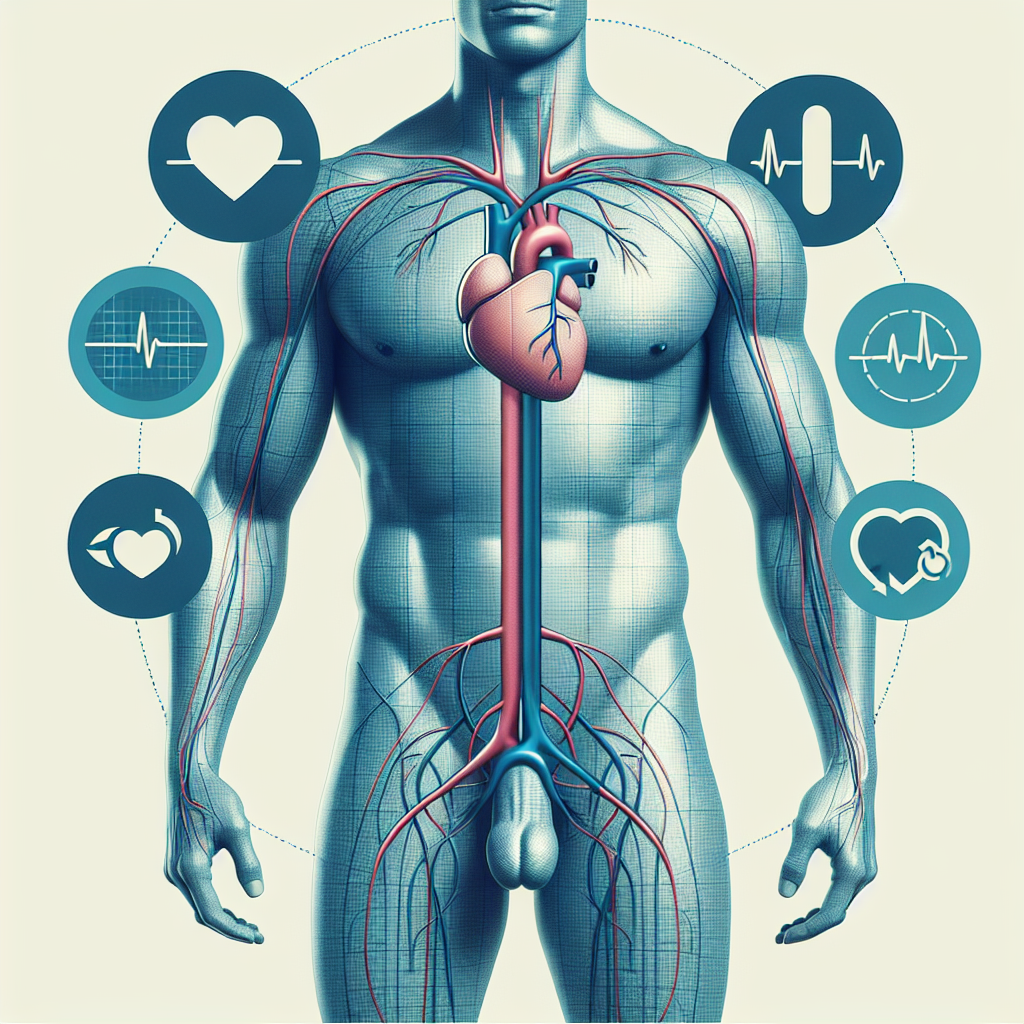
Erections as a Circulation Test: A Surprising Indicator of Longevity
When people think of top indicators for cardiovascular fitness and long life, they usually focus on the VO₂ max test—a lab-based method that measures how efficiently your body uses oxygen during intense physical activity. However, a more practical and immediate signal may already be present in your daily life: your sexual performance. In fact, your ability to maintain erections could be a stronger predictor of longevity than your treadmill performance.
A 2018 review in the Journal of Sexual Medicine highlights the strong relationship between erectile function and cardiovascular health. According to Dr. Abraham Morgentaler, urologist at Harvard Medical School, “Understanding how blood flow impacts erections can offer a powerful window into broader vascular function.”
Let’s explore how and why sexual health provides such a revealing insight into your heart’s condition.
The Science Behind Erections: A Reflection of Your Vascular System
Although erections may seem purely sexual in nature, they are actually the result of a complex interplay between the nervous system, hormones, and blood circulation. For an erection to occur, the blood vessels inside the penis must expand to allow for increased blood flow. This process only works if your vascular system is in good condition—particularly the endothelium, the thin layer lining your blood vessels.
Because penile arteries are notably narrow—just 1 to 2 millimeters in diameter—they’re often the first to show signs of vascular blockage. That means underlying issues like high cholesterol, hypertension, or smoking-related damage may first show up as erectile dysfunction (ED) before triggering more serious events such as a heart attack or stroke.
A 2017 study published in Mayo Clinic Proceedings found that ED can surface three to five years before a cardiovascular episode. To illustrate, a man in his 50s experiencing inconsistent erections should view this as a potential early warning sign of circulatory problems and consult a healthcare provider or a reputable telehealth service to investigate further.
Why ED Offers More Insight Than VO₂ Max
While VO₂ max tests certainly provide valuable insight into cardiovascular performance, they aren’t practical for daily health monitoring. They require sophisticated equipment, medical supervision, and controlled conditions. More importantly, VO₂ max changes slowly, often lagging behind emerging health issues.
In contrast, erectile function serves as a daily, real-world circulation check. A decrease in morning erections or reduced firmness can immediately signal a health issue—without the need for a doctor’s visit or specialized equipment.
A 2011 study in the American Journal of Cardiology revealed that men with ED had a 50 to 100 percent higher risk of developing heart disease, even after accounting for other risk factors such as age, cholesterol levels, and smoking.
Dr. Michael Blaha, a cardiology expert at Johns Hopkins University, reinforces this by stating, “ED should be considered a ‘cardiac equivalent,’ just like chest pain. If a man develops erectile problems, it’s a major red flag that should trigger cardiovascular screening.”
What Your Erectile Health Says About Your Future
Put simply, erectile dysfunction often points to systemic vascular disease. The same plaque and inflammation that compromise penile blood flow also affect the arteries that supply the heart and brain. This makes erectile performance not only a quality-of-life factor but also a significant barometer of overall health.
A long-term study in JAMA found that men with strong erectile function were 40 percent less likely to die from cardiovascular causes than those with ED.
Beyond biology, men with better sexual health frequently engage in habits associated with longer life, such as:
– Consistent physical activity
– Healthy, mostly plant-based diets
– Prioritizing quality sleep
– Avoiding tobacco and excessive alcohol
– Stress management and emotionally supportive relationships
Think of an erection as a quiet but consistent daily check-in—your body’s way of monitoring aging and cumulative cardiovascular stress.
How to Improve Both Sexual and Circulatory Health
The good news: many cases of ED are reversible, especially those rooted in lifestyle and vascular factors. In fact, making heart-healthy changes often results in rapid improvements in sexual function.
In one 12-week clinical study published in The Journal of Sexual Medicine, participants who adopted better diets and moderate aerobic routines saw a 50 to 70 percent boost in erectile strength and frequency.
Another trial showed that switching to the Mediterranean diet—featuring fish, vegetables, whole grains, and healthy fats—led to noticeable improvements in erectile function in overweight men.
Key strategies to enhance both sexual and cardiovascular health:
– Eat a Mediterranean-style diet with lean proteins, leafy greens, and healthy fats
– Engage in 30 minutes of aerobic activity, like brisk walking or swimming, five times a week
– Aim for a modest 5 to 10 percent reduction in total body weight
– Quit smoking and reduce alcohol consumption
– Incorporate stress-relieving practices such as meditation or therapy
Additionally, some men benefit from medical therapies. Trusted online pharmacies like eDrugstore.com offer secure access to fully vetted ED treatments such as Viagra and Cialis, along with telemedicine consultations to uncover potential underlying conditions.
The Takeaway: Don’t Overlook the Signal
It’s time to reframe how we view erectile health. Instead of seeing it solely as a performance issue, recognize it as a reliable and accessible health marker. Changes in sexual function should be seen not as isolated events but as early warnings—a cue to evaluate your fitness, diet, stress levels, and cardiovascular integrity.
If you notice a decline in sexual performance, consider it an important signal—not just a frustrating experience. Talk to your doctor, get screened, and take advantage of trustworthy online health services when needed. Your sexual health may be telling you something your smartwatch isn’t: that your heart, brain, and arteries are asking for attention.
When it comes to measuring longevity, what happens in the bedroom may offer far greater insight than what takes place on the treadmill.
Sources & References
– Chew K.K., Stuckey B.G.A., et al. “Erectile Dysfunction as a Predictor for Cardiovascular Disease,” American Journal of Cardiology, 2011.
– Selvin E., et al. “Erectile Dysfunction and Cardiovascular Risk,” Journal of the American Medical Association, 2011.
– Mayo Clinic Proceedings. “Erectile Dysfunction Revealing Cardiovascular Risk,” 2017.
– “Lifestyle Modifications and Their Impact on Erectile Function,” Journal of Sexual Medicine, 2018.
– Harvard Health Publishing. “Erection Problems: A Window to the Heart,” 2020.
– Michael Blaha, MD. Commentary, Johns Hopkins Medicine, 2022.
About the Author
Dr. Michael Hart is a medical writer and preventive health specialist focused on vascular health and men’s wellness. He is passionate about translating clinical science into actionable strategies to help men lead longer, healthier, and more sexually fulfilling lives.
