
Exploring the Gut-Brain-Libido Axis: How Your Microbiome Influences Sexual Desire and Performance
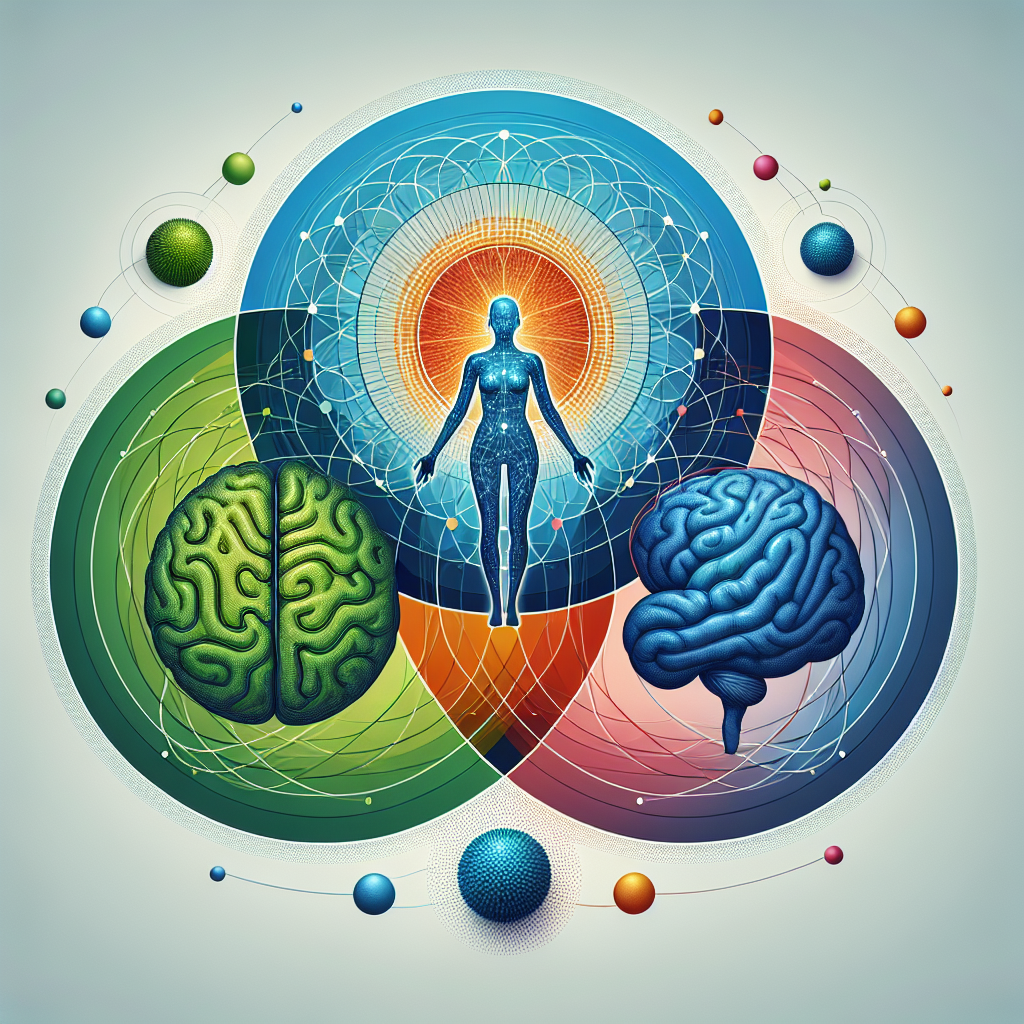
As researchers delve deeper into the mysteries of the human body, they are discovering connections that once seemed improbable. One such revelation is the intricate dance between our gut, brain, and libido. Known as the Gut-Brain-Libido Axis, this triad highlights the profound influence our gut microbiome exerts on our mental health and sexual well-being. Michael Gershon, a neuroscientist and author of “The Second Brain,” states, “The gut is not the sole mastermind, but its influence over our state of mind and desires cannot be overlooked.” Today, we explore how this fascinating axis affects sexual desire and performance, offering insights into how gut health might hold the key to boosting libido and sexual performance.
Understanding the Microbiome’s Influence
To understand the concept of the Gut-Brain-Libido Axis, we must first grasp the role of the human microbiome. Trillions of microorganisms—comprising bacteria, viruses, fungi, and more—reside in our gut. These tiny inhabitants play a pivotal role in digesting food, producing essential vitamins, and regulating the immune system. However, their influence extends further, impacting neurotransmitters and hormones crucial for brain function and sexual health. According to a 2021 study from the “American Journal of Clinical Nutrition,” individuals with a diverse microbiome are 20% less likely to suffer from mood disorders that affect libido.
The Gut-Brain Connection: A Continuous Dialogue
Moreover, the gut and brain engage in a constant dialogue through a complex, bidirectional relationship known as the Gut-Brain Axis. This axis helps maintain bodily balance through neural, hormonal, and immune signaling pathways. A key player in this system is the vagus nerve, which physically connects the gut and brain. It plays a vital role in transmitting signals related to mood and sexual desire, significantly impacting the production of neurotransmitters like serotonin. Fascinatingly, approximately 90% of serotonin, often called ‘the happiness hormone,’ is produced in the gut. This substantial production influences mood, cognition, and sexual desire. Dr. Emeran Mayer, in his book “The Mind-Gut Connection,” notes that “an imbalance within the gut microbiome can disrupt serotonin production, leading to anxiety and depression—known inhibitors of sexual desire.”
The Microbiome’s Role in Sexual Desire and Performance
The Gut-Brain-Libido Axis suggests that the microbiome’s status directly affects sexual desire and performance. An imbalance in gut bacteria may lower levels of dopamine— a neurotransmitter essential for desire and motivation—thereby impacting libido. Additionally, the link between healthy gut flora and sexual performance is emphasized by inflammation’s role. An imbalance, known as dysbiosis, can lead to increased inflammation, which may compromise blood vessels and lead to erectile dysfunction in men and reduced arousal in women. A 2018 article in “Cell Metabolism” highlighted that individuals with balanced gut flora had a 30% better sexual function score than those with dysbiosis.
Psychological and Hormonal Pathways: The Key Players
Emotional and psychological wellness directly influences sexual desire. The regulation of stress and mood via cortisol and other hormones underscores the importance of maintaining microbial balance. Chronic stress, often worsened by dysbiosis, can elevate cortisol levels, adversely affecting libido. Moreover, hormonal pathways, including testosterone and estrogen, are impacted by gut flora. The microbiome assists in metabolizing these hormones, and any imbalance might lead to hormonal disruptions, manifesting as reduced sexual interest.
Nourishing the Gut for Enhanced Libido
To boost sexual desire and performance, focusing on the health of your gut microbiome is crucial. Consider these practical steps:
– Diversify Your Diet: A varied diet rich in fiber, fruits, vegetables, and fermented foods can support a diverse microbiome. Foods like yogurt, sauerkraut, and kimchi introduce beneficial bacteria to the gut. Experts emphasize the benefits of probiotic-rich diets in supporting overall well-being.
– Limit Processed Foods: Sugary and highly processed foods may lead to inflammation and disrupt gut bacteria balance. A study in “Gut Microbes” noted that processed food consumption could directly correlate with decreased bacterial diversity.
– Stay Hydrated: Proper hydration supports the intestinal mucous lining, crucial for maintaining beneficial bacteria.
– Consider Probiotics and Prebiotics: These supplements support strong gut flora. Probiotics introduce live bacteria, while prebiotics serve as food for these beneficial organisms.
– Manage Stress: Practices such as yoga, meditation, or mindfulness can lower stress levels, supporting gut health.
Embracing a Holistic Approach to Sexual Health
Understanding the Gut-Brain-Libido Axis opens a new chapter in sexual health and well-being, highlighting the importance of maintaining a healthy gut to support mental and sexual wellness. As research progresses, embracing an integrated approach becomes essential. By nurturing our microbiome, we can improve sexual desire and performance, inviting a more satisfying and deeply connected experience with ourselves and our partners.
References:
– Gershon, M. (1999). The Second Brain.
– Mayer, E. (2016). The Mind-Gut Connection.
– “American Journal of Clinical Nutrition” (2021).
– “Cell Metabolism” (2018).
– “Gut Microbes” (2020).
