
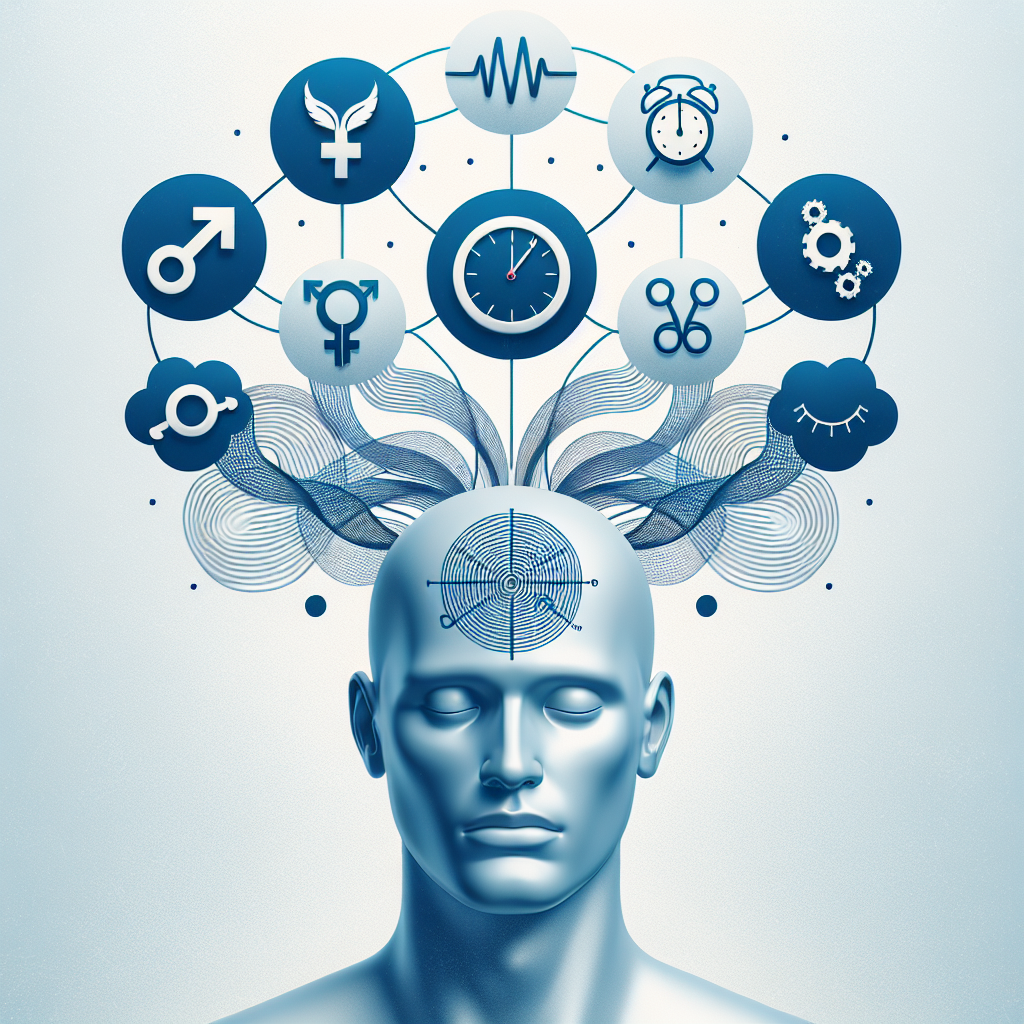
Exploring the Link Between REM Sleep Disturbances and Erectile Dysfunction for Better Male Health
Sleep is an integral part of life, a necessary period of rest and rejuvenation that takes up about one-third of our existence. According to the Centers for Disease Control and Prevention (CDC), over 35% of adults in the United States do not get the recommended seven hours of sleep per night. During sleep, REM (Rapid Eye Movement) sleep phases and non-REM stages interweave to govern our nightly rest. Disruptions in these cycles can lead to various health issues, including erectile dysfunction (ED), a condition affecting over 30 million men in the United States alone. This article explores the connection between REM sleep disturbances and erectile dysfunction, emphasizing the importance of prioritizing sleep for enhancing male health.
The Essence of REM Sleep
To comprehend the link to erectile dysfunction, it’s essential to understand what REM sleep encompasses. REM is a sleep stage characterized by rapid eye movements, increased brain activity, and vivid dreams. It accounts for about 20-25% of an adult’s sleep cycle and is crucial for cognitive functions, emotional regulation, and overall brain health. Dr. Matthew Walker, a sleep expert, notes, “REM sleep is a vital part of the sleep cycle, playing a significant role in mental health and the processing of emotional experiences.”
REM Sleep and Emotional Well-being
During REM sleep, the brain processes emotional experiences, reducing stress and anxiety, which are closely linked to erectile dysfunction and male sexual health. Insufficient REM sleep can make men more prone to anxiety, affecting sexual performance. Additionally, the body undergoes physiological restoration, including hormonal balance regulation crucial for maintaining testosterone levels, which significantly impact erectile function.
Linking REM Sleep and Erectile Dysfunction
Erectile dysfunction involves the inability to achieve or maintain an erection sufficient for satisfactory sexual performance. Although various factors contribute to ED, including age, medical conditions, and lifestyle factors, sleep quality is increasingly recognized as a crucial factor. A study by the National Institutes of Health indicates that men with sleep disorders are twice as likely to experience ED.
Disruptions in REM sleep can impair the body’s ability to restore and regulate essential functions related to sexual health. REM sleep affects neuronal activities and the release of neurotransmitters like dopamine and serotonin, which play roles in sexual arousal and satisfaction. Inadequate or fragmented REM sleep may lead to diminished sexual performance and satisfaction, underscoring the need for better sleep management.
Hormonal Imbalances from Poor Sleep
Testosterone, the primary male sex hormone, influences sexual performance and affects mood, energy levels, and overall well-being. This hormone is predominantly secreted during sleep, with production peaking during the REM phase. Consistent disturbances, particularly during REM phases, can decrease testosterone production. Men who sleep less than five hours a night may experience a decrease in testosterone levels by as much as 10-15%.
Low testosterone levels are a well-documented cause of erectile dysfunction. Studies have shown that men with lower sleep quality often report reduced testosterone levels and increased incidences of ED, suggesting a critical link between sleep health and male sexual function.
Psychological Stress and Its Impact
Sleep disturbances can exacerbate psychological stress, a known contributor to erectile dysfunction. A deficient REM sleep cycle fails to process emotional stress adequately and relieve anxiety, potentially leading to chronic stress conditions. Chronic stress increases cortisol levels, the body’s primary stress hormone, which can further impair sexual function by disrupting the necessary hormonal balance for erections. Prioritizing sleep can directly reduce stress levels, enhancing sexual health and overall well-being.
The Broader Health Implications
Erectile dysfunction is often seen as a “barometer” of men’s overall health due to its association with other physiological conditions like cardiovascular disease, diabetes, and hypertension. According to the American Urological Association, improving sleep health can lead to improvements in these areas. Effective sleep management can ameliorate erectile dysfunction and improve overall health outcomes. Better sleep supports cardiovascular health and mental health, both intricately connected to sexual well-being.
Strategies for Better Sleep and Health
Recognizing the power of sleep is the first step towards improving both sexual health and overall well-being. Here are some strategies to improve sleep quality:
1. Establish a Routine: Maintain a consistent sleep schedule by going to bed and waking up at the same time each day.
2. Create a Sleep-Inducing Environment: Keep your room dark, cool, and quiet. Invest in a comfortable mattress and pillows to promote relaxation.
3. Limit Screen Exposure: Avoid electronics at least an hour before bed to reduce blue light exposure, which can interfere with melatonin production.
4. Mind Your Diet and Exercise: Engage in regular exercise and maintain a balanced diet. Avoid heavy meals, caffeine, and alcohol close to bedtime.
5. Manage Stress: Practice stress-reduction techniques like meditation, breathing exercises, and yoga to enhance sleep quality and mental health.
Conclusion: Prioritize Sleep for Better Male Health
As research delves deeper into the impactful role of sleep on our health, understanding the connection between REM sleep disturbances and erectile dysfunction emphasizes the importance of prioritizing sleep hygiene. By improving sleep, not only can men enhance their sexual health, but they can also reap numerous other health benefits, potentially reducing risks for several chronic conditions. By valuing and optimizing sleep, men can make significant strides towards better health, vitality, and quality of life.
References
1. Centers for Disease Control and Prevention (CDC)
2. Cleveland Clinic
3. National Institutes of Health (NIH)
4. American Urological Association
