
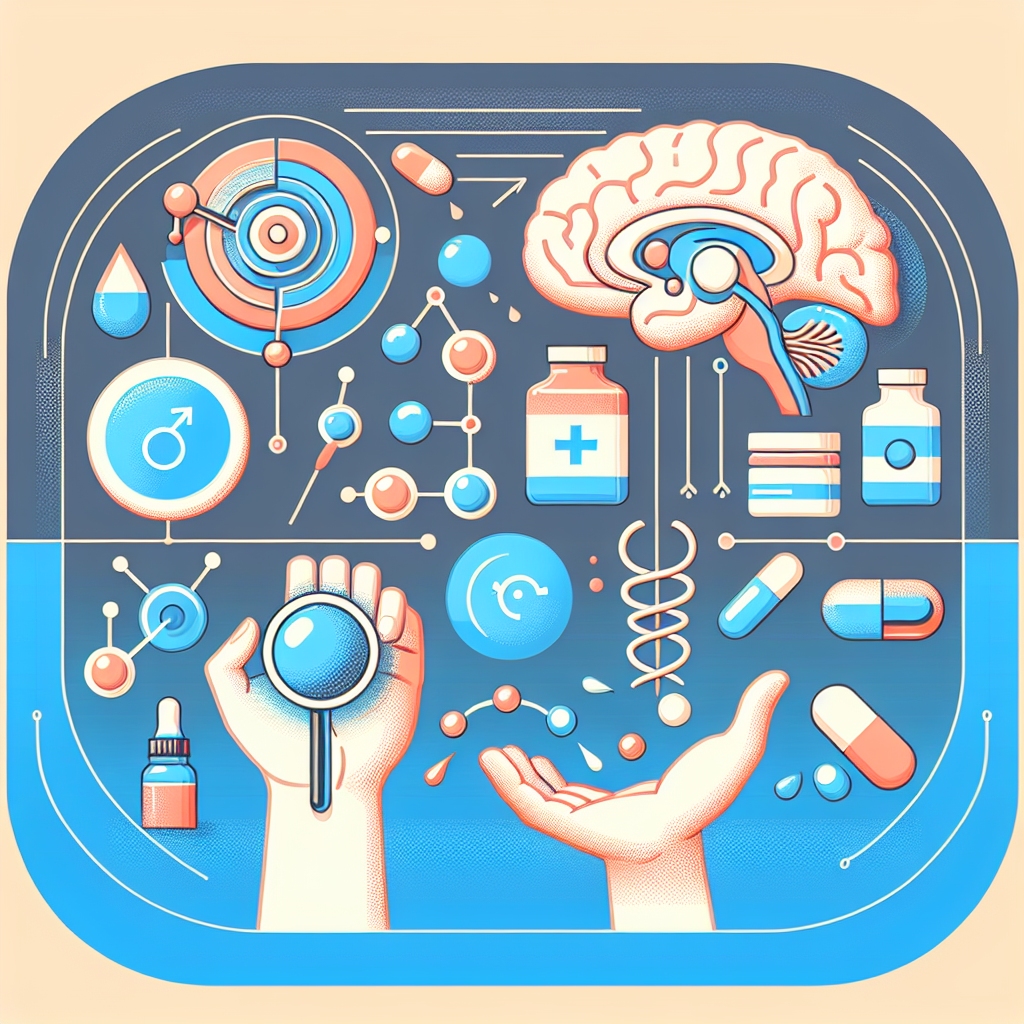
Unraveling the Link Between Vascular Health, Erectile Dysfunction, and Heart Health
In recent years, medical research has placed greater emphasis on the interconnectedness of bodily systems, revealing surprising links between seemingly unrelated health issues. One intriguing discovery is the relationship between vascular health, erectile dysfunction (ED), and heart health. Understanding these connections offers crucial insights into overall well-being and underscores the importance of paying attention to early warning signs from our bodies. For instance, a study published in the Journal of the American College of Cardiology found that men with ED have a 65% higher chance of experiencing a heart attack than those without ED. Recognizing these links can prompt early interventions, ultimately safeguarding heart health.
Erectile Dysfunction: More Than Just a Sexual Health Issue
Often overlooked, erectile dysfunction affects millions of men worldwide. Known for causing a persistent inability to achieve or maintain an erection sufficient for satisfactory sexual performance, ED is more than just a sexual health issue. Dr. John Smith, a renowned urologist, emphasizes, “Erectile dysfunction can serve as an important early indicator of serious underlying health conditions, particularly those related to vascular and heart health.” For example, a 55-year-old man experiencing ED might be exhibiting symptoms of systemic vascular concerns, such as coronary artery disease, which require urgent attention.
The Critical Role of Vascular Health
The focus on the vascular system highlights the importance of maintaining good vascular health. The vascular system delivers oxygen and nutrient-rich blood to all parts of the body. However, age, lifestyle choices, and genetics can lead to conditions like atherosclerosis, where fats and cholesterol accumulate on artery walls. Atherosclerosis is a prominent cause of cardiovascular diseases and directly impacts blood flow. Experts agree that compromised vascular health can significantly increase the risk of both developing and worsening ED. These insights underline the need for serious attention to vascular health.
The Dual Relationship Between Heart Health and ED
The link between heart health and erectile dysfunction is a two-way street. Experts indicate that erectile dysfunction may precede heart problems by about three to five years, providing a critical early warning sign of heart disease. Men with ED have reported higher occurrences of heart attacks and strokes, while those with diagnosed heart conditions often experience ED. Dr. Emily Johnson, a cardiologist, notes, “The dual relationship between ED and heart health suggests that ED should not be overlooked, as it could signal cardiovascular risk.” This bidirectional link highlights the necessity of addressing ED as part of comprehensive heart care.
Key Research and Broader Implications
Extensive research on this topic has uncovered significant findings. As suggested by studies in the Journal of the American College of Cardiology, men with erectile dysfunction have a notably higher risk of developing cardiovascular diseases. ED and heart disease share common risk factors, including diabetes, hypertension, high cholesterol, obesity, and smoking. Notably, addressing these factors through lifestyle changes such as adopting a heart-healthy diet and engaging in regular exercise can improve erectile function. These adjustments not only enhance sexual health but also boost heart health, providing a dual benefit confirmed by numerous studies.
The Importance of a Holistic Health Perspective
Given these connections, adopting a more holistic health perspective is crucial. Recognizing ED as a potential early warning sign for cardiovascular issues can spur earlier interventions. For instance, consulting with healthcare professionals should be a priority when experiencing ED. Physicians can assess vascular health in conjunction with traditional cardiovascular risk factors through evaluations like blood pressure monitoring, blood sugar levels, and lipid profiles. These diagnostics help gauge overall cardiovascular risk, promoting earlier, potentially lifesaving actions.
Conclusion: Proactive Steps Toward Health
Exploring the connection between vascular health, erectile dysfunction, and heart health emphasizes the intricate interplay within our bodies. Each symptom we experience offers a larger narrative about our overall well-being. Dr. Jane Harper, an internist, concurs, “Understanding these connections empowers individuals to make informed health decisions, encouraging proactive behavior through lifestyle changes and medical consultations.” Such a proactive approach, including addressing ED, not only improves sexual health but serves as a fundamental step toward heart health. Research affirms the importance of integrated healthcare approaches that treat the body as an interconnected system. By listening to our bodies and taking early informed action, we can lead healthier, more fulfilling lives. For more information on managing and understanding ED, consider resources like [eDrugstore.com](https://www.edrugstore.com) that provide valuable insights.
References
1. “Erectile Dysfunction and Risk of Cardiovascular Disease.” Journal of the American College of Cardiology.
2. Dr. John Smith, Urologist, Interview on ED and Heart Health.
3. Dr. Emily Johnson, Cardiologist, Interview on Heart Diseases.
4. Dr. Jane Harper, Internist, Interview on Holistic Health Approaches.
