
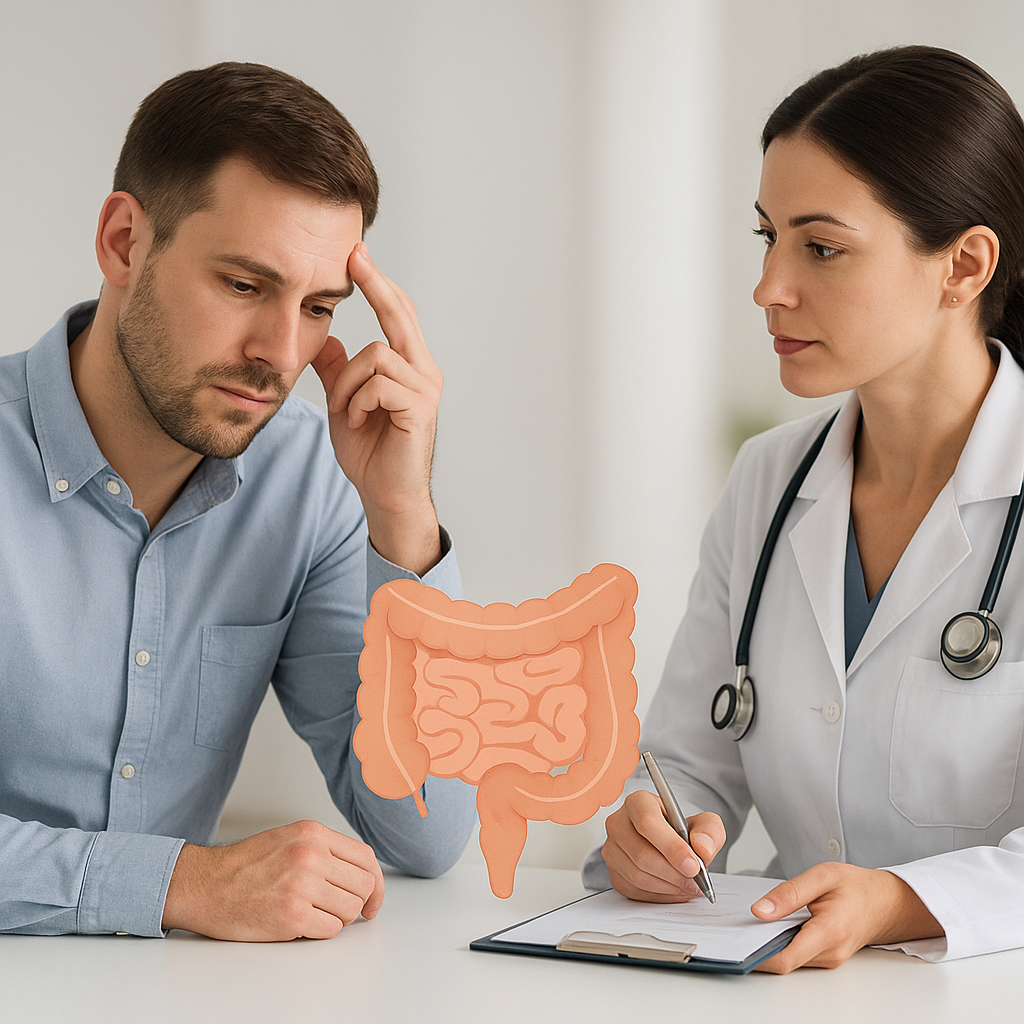
Meta title, Gut Microbiome Imbalances, Testosterone, and Libido, What Men Should Know
Meta description, Gut microbiome imbalances may affect testosterone, libido, inflammation, weight, sleep, and sexual performance. Learn signs, causes, testing, and treatment options.
How Your Gut May Be Quietly Affecting Your Testosterone and Libido
If your sex drive is lower than it used to be, it is easy to blame stress, age, or low testosterone. Those can all play a role. But there is another factor many people overlook, your gut microbiome.
Your gut microbiome is the large community of bacteria, fungi, viruses, and other microbes that live in your digestive tract. These microbes help digest food, support immune function, make certain vitamins, and communicate with hormones, metabolism, and the brain. When this system becomes imbalanced, often called gut dysbiosis, it may contribute to inflammation, insulin resistance, weight gain, poor sleep, and mood changes. Each of these can affect testosterone and libido. Reference 1.
The connection between gut microbiome imbalances, testosterone, and libido is still an active area of research. It is not accurate to say that every man with low libido has a gut problem. It is also not accurate to say that probiotics can cure low testosterone. But growing evidence suggests that gut health may be one important piece of the hormone and sexual wellness puzzle.
This article explains how gut microbiome imbalances might silently erode testosterone and libido levels, what symptoms to watch for, and what evidence based steps may help.
What Is the Gut Microbiome
The gut microbiome includes trillions of microorganisms living mostly in the large intestine. A healthy microbiome is diverse, meaning it contains many different helpful species. This diversity helps the body maintain a strong intestinal barrier, regulate immune activity, break down fiber, produce short chain fatty acids, and support normal metabolism. Reference 1.
When the microbiome becomes less diverse or harmful bacteria overgrow, the gut lining may become more irritated. Some people may develop more gas, bloating, diarrhea, constipation, or food sensitivity. Others may have few digestive symptoms but still experience effects related to inflammation, blood sugar, weight, mood, or energy.
Common factors that can disrupt the gut microbiome include.
- A diet low in fiber and high in ultra processed foods
- Frequent or unnecessary antibiotic use
- Heavy alcohol intake
- Poor sleep
- Chronic stress
- Obesity and insulin resistance
- Some gastrointestinal infections
- Low physical activity
How Testosterone and Libido Are Regulated
Testosterone is the main male sex hormone, although women also produce it in smaller amounts. In men, testosterone is made mostly in the testicles. The brain controls production through a hormone pathway called the hypothalamic pituitary gonadal axis. When the brain senses that testosterone is low, it sends signals that tell the testicles to produce more.
Testosterone supports.
- Sex drive and sexual thoughts
- Erections and sexual performance
- Sperm production
- Muscle mass and strength
- Bone density
- Energy and motivation
- Mood and cognitive function
Low testosterone can cause low libido, erectile dysfunction, fatigue, depressed mood, reduced muscle mass, increased body fat, and decreased morning erections. Mayo Clinic notes that testosterone levels often decline gradually with age, but symptoms should not be assumed to be normal aging without evaluation. Reference 2.
Libido is even more complex. It is influenced by testosterone, blood flow, mental health, sleep, relationship quality, medications, alcohol, chronic disease, and stress. That is why a full health review matters.
The Gut Testosterone Connection
Scientists are still learning how the gut microbiome may affect testosterone. Most evidence suggests the relationship is indirect, although animal and early human studies suggest possible direct hormone related effects as well. Reference 3.
Gut microbiome imbalances may affect testosterone and libido through several pathways.
- Increasing chronic inflammation
- Worsening insulin resistance
- Promoting weight gain and visceral fat
- Changing estrogen metabolism
- Interfering with sleep and mood
- Reducing absorption of key nutrients
- Increasing stress hormone activity
These pathways overlap. For example, poor sleep can worsen insulin resistance, insulin resistance can increase belly fat, belly fat can lower testosterone, and low testosterone can make it harder to maintain muscle and energy. The gut can sit near the center of this cycle.
Chronic Inflammation May Suppress Hormone Health
A balanced gut helps keep the intestinal barrier strong. When the barrier is irritated, bacterial fragments and inflammatory signals may interact more strongly with the immune system. This can contribute to low grade inflammation throughout the body. Reference 1.
Chronic inflammation has been linked with obesity, type 2 diabetes, cardiovascular disease, and lower hormone health. In men, inflammatory states may interfere with the brain testicle signaling system and may reduce Leydig cell function, which is important for testosterone production. Reference 3.
This does not mean that one episode of bloating will lower testosterone. The concern is long term gut dysbiosis combined with poor diet, excess weight, high stress, or metabolic disease.
Insulin Resistance, Belly Fat, and Low Testosterone
One of the strongest links between gut health and testosterone may be metabolism. Gut microbes influence how the body extracts energy from food, handles glucose, and stores fat. Dysbiosis has been associated with insulin resistance and obesity in research studies. Reference 4.
This matters because obesity and insulin resistance are strongly linked with lower testosterone. Fat tissue, especially visceral belly fat, can increase conversion of testosterone into estrogen through an enzyme called aromatase. Higher body fat can also affect hormone signaling from the brain. Reference 5.
The CDC reports that adult obesity remains common in the United States, affecting more than 40 percent of adults in recent national data. Reference 6. Because obesity is also linked with erectile dysfunction, sleep apnea, heart disease, and diabetes, it can affect sexual health from several directions.
For many men, improving gut health is not only about digestion. It is also about improving metabolic health, waist size, blood sugar control, and hormone balance.
The Estrobolome and Hormone Balance
The estrobolome is a group of gut bacteria involved in estrogen metabolism. These bacteria produce enzymes that can affect how estrogens are processed and cleared from the body. Reference 7.
Most research on the estrobolome has focused on women, breast cancer risk, and estrogen related conditions. However, estrogen balance also matters in men. Men need some estrogen for bone health, brain function, and libido, but too much estrogen relative to testosterone may contribute to low libido, erectile difficulties, breast tenderness, mood changes, and increased body fat.
Gut microbiome imbalances may influence estrogen recycling, but this area is still developing. It should not be used as a reason to self treat with hormone blockers, supplements, or detox programs. If estrogen or testosterone imbalance is suspected, blood testing and medical guidance are important.
Gut Health, Mood, Stress, and Sexual Desire
Libido is not only physical. The gut and brain communicate through nerves, immune signals, hormones, and microbial metabolites. This is often called the gut brain axis. Research from NIH and PubMed indexed studies has linked the gut microbiome with mood, stress response, and brain signaling, although treatment applications are still being studied. Reference 8.
Chronic stress can lower sexual desire and may disrupt testosterone production through higher cortisol and poor sleep. Gut symptoms can also increase stress by making people feel uncomfortable, tired, or anxious about meals and social situations.
Depression and anxiety are common causes of low libido. Some medications used to treat these conditions, especially selective serotonin reuptake inhibitors, can also reduce sexual desire or make orgasm more difficult. Any sudden change in libido after starting a medication should be discussed with a licensed healthcare provider.
Nutrient Absorption and Testosterone Support
A healthy gut helps absorb nutrients involved in hormone production and sexual function. Poor diet, digestive disease, heavy alcohol use, or chronic diarrhea can increase the risk of low nutrient status.
Nutrients connected with testosterone or sexual health include.
- Vitamin D
- Zinc
- Magnesium
- Protein
- Omega 3 fatty acids
- B vitamins
For example, vitamin D deficiency is common and has been associated with several health concerns. However, supplementing vitamin D only helps when levels are low or intake is inadequate. More is not always better. High dose supplements can cause side effects and should be used carefully. Reference 9.
If you have ongoing digestive symptoms, unexplained fatigue, or low libido, testing for vitamin D, B12, iron status, thyroid function, glucose, and testosterone may be appropriate.
Signs Your Gut May Be Part of the Problem
Gut microbiome imbalances can be quiet. Not everyone has obvious digestive symptoms. Still, the following patterns may suggest gut health is worth evaluating.
- Frequent bloating, gas, constipation, or diarrhea
- New food intolerances
- Low energy after meals
- Weight gain around the abdomen
- Brain fog or poor concentration
- Low libido or fewer morning erections
- Mood changes, irritability, or anxiety
- Poor sleep or waking unrefreshed
- History of frequent antibiotic use
- High alcohol intake or a highly processed diet
These symptoms are not specific to gut dysbiosis. They can also be caused by thyroid disease, diabetes, sleep apnea, depression, medication side effects, inflammatory bowel disease, low testosterone, or heart disease. That is why proper evaluation matters.
When Low Libido Needs Medical Attention
Low libido that lasts more than a few weeks, causes distress, or occurs with erectile dysfunction should be discussed with a healthcare provider. Erectile dysfunction can be an early warning sign of blood vessel disease. The NIH notes that erectile dysfunction affects about 30 million men in the United States. Reference 10.
Seek medical care sooner if low libido or erectile dysfunction occurs with.
- Chest pain or shortness of breath
- Severe depression or thoughts of self harm
- Very low energy or unexplained weight changes
- Testicular pain or shrinking
- Breast enlargement or nipple discharge
- Loss of body hair
- New headaches or vision changes
- Symptoms of diabetes, such as increased thirst or frequent urination
How Clinicians Evaluate Testosterone, Libido, and Gut Health
A medical evaluation usually starts with a detailed history. A clinician may ask about sexual symptoms, morning erections, sleep, stress, alcohol, medications, diet, exercise, and digestive symptoms.
Common lab tests may include.
- Total testosterone, usually checked in the morning
- Free testosterone or sex hormone binding globulin when needed
- Luteinizing hormone and follicle stimulating hormone
- Estradiol in selected cases
- Thyroid stimulating hormone
- Hemoglobin A1c or fasting glucose
- Lipid panel
- Complete blood count
- Vitamin D or B12 when clinically appropriate
The Endocrine Society recommends diagnosing low testosterone only in men who have symptoms and consistently low testosterone levels on accurate testing. Reference 11. One low result is usually repeated because testosterone changes with sleep, illness, time of day, calorie intake, and medications.
Stool microbiome tests are widely marketed, but they are not yet standard for diagnosing the cause of low testosterone or low libido. Some tests may provide interesting information, but results can be hard to interpret and may not change treatment. A clinician can help decide whether testing for celiac disease, inflammatory bowel disease, infection, or other digestive conditions is more useful.
Evidence Based Ways to Support Gut Health, Testosterone, and Libido
The best approach is to target the main drivers of poor gut and hormone health. For many people, this starts with food, activity, sleep, and weight management.
Helpful steps include.
- Eat more fiber from vegetables, beans, lentils, fruit, oats, nuts, seeds, and whole grains
- Include fermented foods if tolerated, such as yogurt with live cultures, kefir, kimchi, sauerkraut, and miso
- Choose lean proteins and healthy fats, including fish, eggs, poultry, tofu, olive oil, avocado, and nuts
- Limit ultra processed foods, sugary drinks, and heavy alcohol intake
- Strength train two to four days per week if medically safe
- Get regular aerobic exercise, such as brisk walking, cycling, or swimming
- Aim for seven to nine hours of quality sleep per night
- Treat sleep apnea if snoring, choking at night, or daytime sleepiness is present
- Manage stress with therapy, mindfulness, time outdoors, or structured relaxation
Harvard Health notes that a diet rich in whole plant foods can support a healthier gut microbiome by feeding beneficial bacteria. Reference 12. This does not require a perfect diet. Small, consistent changes can improve gut and metabolic health over time.
Medications, Probiotics, and Medical Treatment Options
Treatment depends on the cause of symptoms.
If erectile dysfunction is present, medications such as sildenafil or tadalafil may help many men by improving blood flow. These drugs can cause headache, flushing, nasal congestion, indigestion, back pain, or dizziness. They should not be used with nitrate medications because the combination can cause a dangerous drop in blood pressure. Reference 13.
If true low testosterone is confirmed, testosterone replacement therapy may be an option for some men. It can be delivered by gel, injection, patch, or pellets. Possible risks and side effects include acne, fluid retention, increased red blood cell count, reduced fertility, testicular shrinkage, breast tenderness, and worsening untreated sleep apnea. The FDA has also required labeling about potential cardiovascular risks and the need for appropriate prescribing. Reference 14.
Testosterone therapy is not recommended for men trying to conceive, because it can lower sperm production. Men interested in fertility may need other treatments supervised by a qualified clinician.
Probiotics may help some digestive conditions, such as certain forms of antibiotic associated diarrhea or irritable bowel syndrome symptoms, but effects depend on the strain, dose, and condition. They are not proven to reliably raise testosterone in otherwise healthy men. People with severe immune suppression or serious illness should ask a clinician before using probiotics. Reference 15.
Telemedicine can be useful for discussing low libido, erectile dysfunction, weight, sleep, and hormone symptoms. A licensed provider can order appropriate labs, review medications, discuss treatment options, and decide when in person care is needed.
FAQ
Can gut microbiome imbalances lower testosterone.
They may contribute indirectly. Gut dysbiosis can be linked with inflammation, insulin resistance, obesity, sleep problems, and stress, all of which may affect testosterone. However, gut imbalance is not the only cause of low testosterone, and blood testing is needed for diagnosis.
Can probiotics increase libido.
There is not enough strong evidence to say probiotics reliably increase libido. They may help some people with digestive symptoms, which may improve comfort and well being. Low libido should be evaluated for hormone, mental health, medication, sleep, and relationship factors.
What foods support gut health and testosterone.
Focus on fiber rich plants, adequate protein, healthy fats, and minimally processed foods. Good choices include vegetables, beans, lentils, berries, oats, Greek yogurt, fish, eggs, nuts, seeds, and olive oil. This eating pattern can support gut diversity, weight control, blood sugar, and heart health.
How do I know if my testosterone is low.
Symptoms may include low sex drive, fewer morning erections, fatigue, depressed mood, reduced muscle, increased body fat, and erectile dysfunction. Diagnosis requires morning blood testing, usually repeated to confirm low levels.
Can antibiotics affect libido.
Antibiotics can disrupt the gut microbiome, especially when used often or unnecessarily. They do not usually cause long term low libido by themselves. However, illness, gut changes, stress, and medication side effects can influence sexual desire. Never stop prescribed antibiotics without medical advice.
Should I take testosterone boosters for gut related low libido.
Over the counter testosterone boosters are often not well supported by evidence and may contain ingredients that cause side effects or interact with medications. It is safer to test hormone levels and work with a licensed healthcare provider.
Conclusion
Gut microbiome imbalances might silently erode testosterone and libido levels by increasing inflammation, worsening insulin resistance, promoting belly fat, disrupting sleep and mood, and affecting nutrient status. The gut is not the only factor in hormone health, but it is an important part of the larger picture.
The most effective plan usually starts with the basics, a fiber rich diet, regular exercise, better sleep, stress management, healthy weight loss when needed, and careful review of medications and alcohol use. If symptoms continue, testing for testosterone, blood sugar, thyroid function, and other health markers can help identify the real cause.
If you are dealing with low libido, erectile dysfunction, fatigue, or gut symptoms, consider speaking with a licensed healthcare provider. The right evaluation can help you move beyond guessing and toward a safer, more effective plan.
References
1. NIH, The Human Microbiome and Health, www.nih.gov
2. Mayo Clinic, Testosterone therapy, Potential benefits and risks as you age, www.mayoclinic.org
3. PubMed, Gut microbiota, inflammation, metabolism, and sex hormone research, www.pubmed.ncbi.nlm.nih.gov
4. Cleveland Clinic, Gut microbiome and metabolic health, www.clevelandclinic.org
5. Harvard Health, Obesity, testosterone, and mens health, www.health.harvard.edu
6. CDC, Adult obesity facts, www.cdc.gov
7. PubMed, The estrobolome and estrogen metabolism, www.pubmed.ncbi.nlm.nih.gov
8. NIH, The gut brain axis and microbiome research, www.nih.gov
9. NIH Office of Dietary Supplements, Vitamin D fact sheet, ods.od.nih.gov
10. NIH National Institute of Diabetes and Digestive and Kidney Diseases, Erectile dysfunction, www.niddk.nih.gov
11. Endocrine Society Clinical Practice Guideline, Testosterone therapy in men with hypogonadism, www.endocrine.org
12. Harvard Health, Feed your gut, www.health.harvard.edu
13. FDA, Erectile dysfunction medications and safety information, www.fda.gov
14. FDA, Testosterone products drug safety communications, www.fda.gov
15. Cleveland Clinic, Probiotics, benefits and risks, www.clevelandclinic.org
