
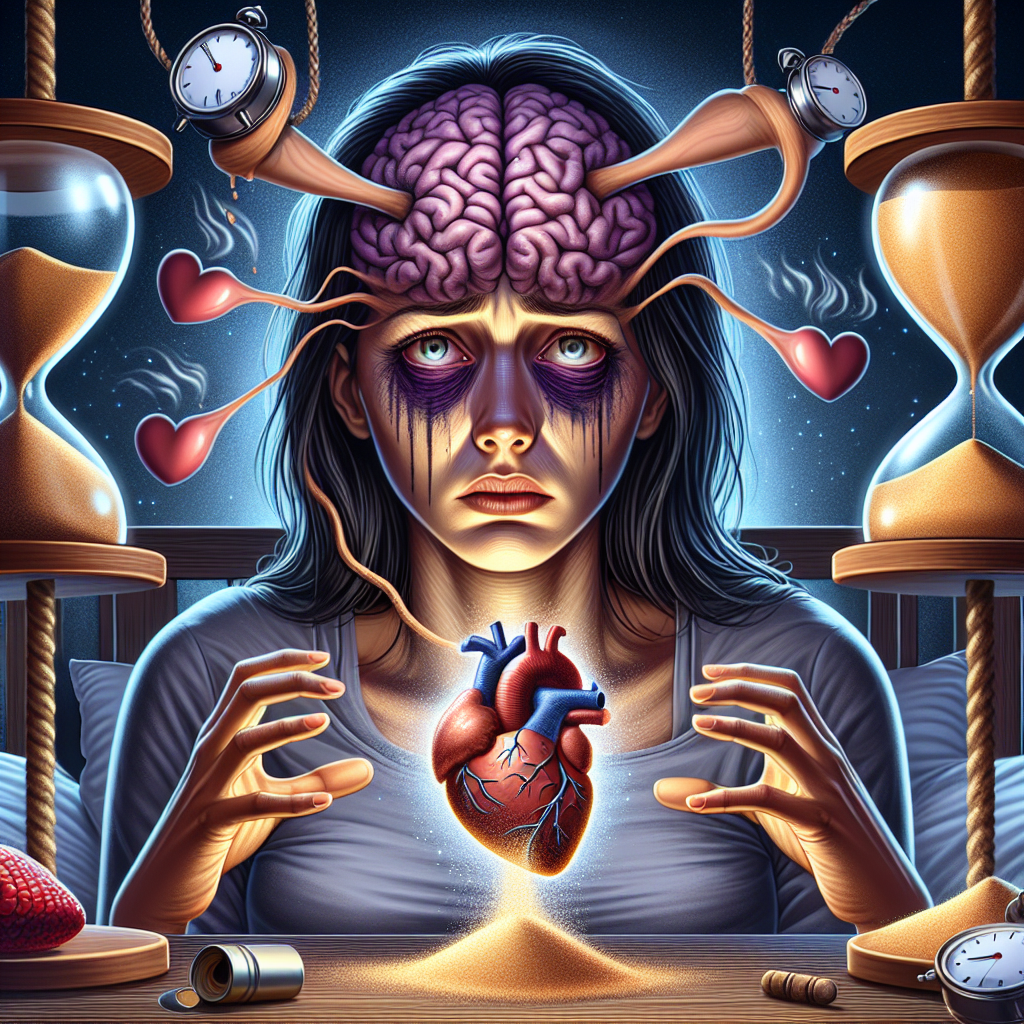
How Sleep and Stress Levels Wreck Women’s Libido
Understanding the Hidden Connection Between Rest, Anxiety, and Sexual Desire
When life becomes a whirlwind of responsibilities, poor sleep quality and chronic stress in women often emerge as major health concerns—especially when it comes to women’s sexual health and decreased libido.
Nearly 43% of women experience some form of sexual dysfunction during their lifetime, with stress and lack of proper rest being leading contributors. When a woman is stressed and sleep-deprived, her body prioritizes survival over intimacy—not because of a lack of desire or love, but because her system is overwhelmed and trying to cope.
Let’s dive into the essential links between stress, sleep, and libido—and discover effective ways to restore balance and intimacy from within.
The Hormonal Symphony Driving Female Libido
Inside the Body’s Delicate Balance That Fuels Desire
Sexual desire in women is driven by a nuanced hormonal interplay involving estrogen, testosterone, and progesterone. These hormones not only influence sexual interest but also impact mood, energy levels, and emotional well-being.
“When a woman’s hormones are out of sync—whether due to life stage, stress, or sleep—the first thing to suffer is often her libido,” explains Dr. Lauren Streicher, clinical professor of obstetrics and gynecology at Northwestern University Feinberg School of Medicine.
– Estrogen promotes vaginal lubrication and emotional connection.
– Testosterone enhances arousal, motivation, and sensitivity.
– Progesterone influences relaxation and helps reduce anxiety.
If stress becomes chronic or sleep is interrupted consistently, hormone levels are thrown out of balance, dramatically reducing sexual desire. This isn’t a sign of disinterest—it’s a biological response signaling that the body needs restoration.
The Real Impact of Sleep Deprivation on Desire
Why Women Need Rest to Reignite Their Libido
A healthy sex drive requires more than emotional closeness—it depends on physical wellness, and that begins with high-quality sleep. When women don’t get the recommended 7 to 9 hours of sleep each night, their bodies can’t recover properly, leading to hormone imbalances and lower libido.
Here’s how disrupted sleep affects sexual health:
1. Decreased Estrogen and Testosterone Production
These hormones are produced during deep sleep stages. Researchers from the National Sleep Foundation report testosterone levels can drop by up to 15% after just one week of sleeping five hours per night or less. Lower hormone levels mean reduced arousal, lubrication, and sensitivity.
2. Negative Impact on Mood Regulation
Sleep deficiency raises the risk of anxiety and depression—two major libido killers. A study published in The Journal of Clinical Endocrinology & Metabolism found that people who get less sleep report significantly diminished levels of arousal and satisfaction.
3. Prioritizing Recovery Over Intimacy
As Dr. Jennifer Landa, a hormone therapy expert, notes: “When you’re tired, sex can feel like an obligation instead of a joy. Exhaustion and intimacy don’t mix.”
Helpful Tip: Develop a nightly wind-down routine. Read in soft lighting, sip calming herbal tea, or enjoy aromatherapy to help your body transition into restorative sleep.
How Stress Disrupts Female Sexual Wellness
Chronic Psychological Stress and Its Role in Reducing Libido
Daily stress—from overbooked schedules to emotional overload—raises cortisol levels, damaging female sexual response. Cortisol is the primary stress hormone, and when it spikes constantly, it interferes with the body’s natural balance, affecting everything from hormone production to emotional availability.
Here’s how high stress shuts down libido:
1. Hormonal Disruption
Elevated cortisol suppresses estrogen and progesterone production. This imbalance can lead to symptoms like vaginal dryness and mood swings that reduce sexual interest.
2. Mental Distraction
Stress keeps your mind focused on survival—meetings, bills, responsibilities—not romance. This mental disconnect makes sexual activity feel like another task instead of a source of connection.
3. Physical Tension
Chronic stress often leads to bodily discomfort—tight muscles, fatigue, headaches—all of which diminish the physical pleasure involved in intimacy.
As hormone specialist Dr. Anna Cabeca points out: “Your brain is your biggest sex organ. If it’s overworked, stressed, or preoccupied, libido goes offline.”
For natural ways to support hormonal health, check expert-approved resources on trusted medical sites for supplements, therapy, or lifestyle strategies designed to boost libido.
The Stress-Sleep Cycle That Compounds the Problem
Why One Problem Feeds the Other—and How It Wrecks Your Sex Drive
Stress and lack of sleep feed into each other in a damaging loop. Stress makes it difficult to fall asleep or stay asleep—and that sleeplessness, in turn, boosts stress hormones the next day.
When you lay awake overwhelmed by worries, your body enters a reactive state. Over time, this loop creates chronic exhaustion, irritability, and withdrawal from intimacy—all signs that your body is running on empty, not seeking connection.
Breaking this cycle requires mindful attention and prioritizing rest as a form of self-care.
Steps to Reignite Libido and Restore Balance
4 Key Strategies to Reclaim Energy, Connection, and Confidence
1. Prioritize Sleep Hygiene
Create a healthy sleep environment using blackout curtains, white noise machines, and blue light filters. A consistent bedtime helps regulate your circadian rhythm and enhances hormone restoration.
2. Practice Stress Management and Mindfulness
Incorporating simple practices like journaling, breathwork, or gentle yoga may significantly lower stress levels. Research from Harvard Medical School found that just eight weeks of mindfulness meditation can reduce psychological stress by up to 50%.
3. Cultivate Emotional Intimacy
Communication is key in maintaining a relationship during challenging times. Honest, guilt-free conversations with your partner foster connection, which in turn supports desire.
4. Seek Medical Support When Necessary
When libido issues persist along with anxiety, fatigue, or mood changes, it may be time to consult your healthcare provider. Hormonal testing and personalized treatment plans can often provide much-needed relief.
Your Libido Is Not Broken—It Needs Care
The Key to Reclaiming Vitality Isn’t More Effort—It’s Better Restoration
Low libido is not a permanent condition or a reflection of who you are. In most cases, it’s an intelligent signal from your body that it needs rest, balance, and support. When you begin to prioritize your well-being, sexual confidence and desire often return on their own.
As sex educator Emily Nagoski wisely says, “Your sexuality isn’t a light switch—it’s more like a garden. It needs the right conditions to bloom.”
Start by listening to your body, reducing guilt about saying no, and embracing small changes that support your emotional and physical well-being. Every woman deserves to feel connected, powerful, and fully alive.
Sources
– Laumann, E. O., et al. (1999). Sexual Dysfunction in the United States. JAMA, 281(6), 537–544.
– National Sleep Foundation. (2022). How Sleep Affects Testosterone Levels. sleepfoundation.org
– Kalmbach, D. A., et al. (2015). Insomnia, Short Sleep, and Sexual Function. The Journal of Clinical Endocrinology and Metabolism, 100(10), 3883-3890.
– Goyal, M., et al. (2014). Meditation Programs for Psychological Stress and Well-being. JAMA Internal Medicine, 174(3), 357–368.
