
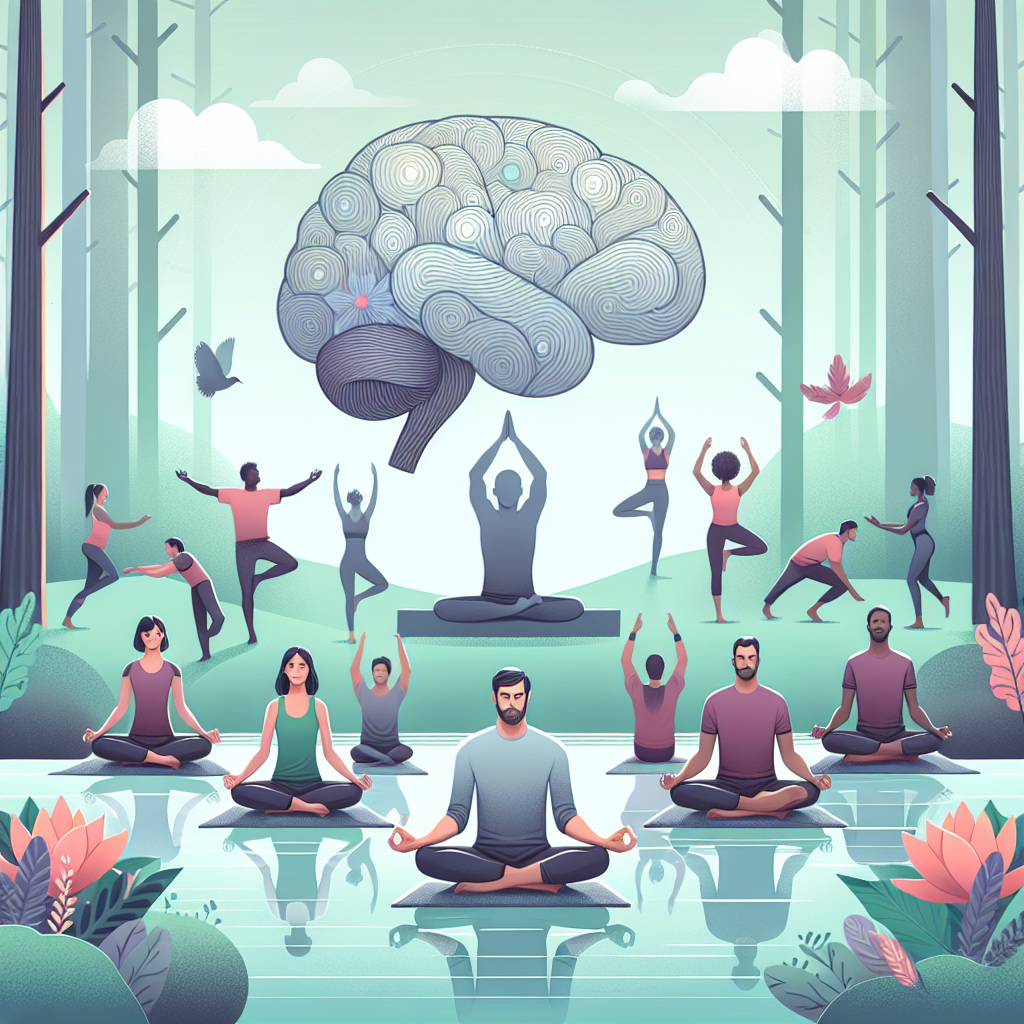
Introducing Mindfulness Meditation into Physical Education
In today’s schools, student well-being is becoming just as important as physical fitness. Integrating mindfulness meditation into physical education (PE) presents a powerful, research-backed approach to improving student focus, athletic performance, and emotional resilience. Rooted in ancient traditions and now supported by modern neuroscience, mindfulness transforms how students experience PE.
According to the National Institutes of Health, even brief mindfulness training can significantly lower cortisol—the body’s primary stress hormone—leading to improved mental clarity and physical readiness. “Mindfulness creates a platform for students to access focus and calm—crucial for learning and performance,” explains Dr. Amishi Jha, cognitive neuroscientist and author of Peak Mind.
This guide explores what mindfulness meditation truly means, how it impacts brain function, and offers simple, practical techniques for teachers to integrate into everyday PE classes.
Understanding Mindfulness Meditation
At its foundation, mindfulness is about directing attention intentionally, staying present in the moment, and doing so without judgment. For student athletes, this means being fully aware—of their breathing, body sensations, thoughts, and emotions.
Take, for example, a student who feels overwhelmed before a fitness test. Practicing slow, mindful breathing can lower anxiety and enhance focus. A 2019 meta-analysis published in the journal Mindfulness found that students who engaged in just 10 minutes of daily mindful breathing reported a 31% decrease in test-related anxiety over an eight-week period.
The Brain-Boosting Power of Mindfulness: What Neuroscience Reveals
Armed with a clear understanding of mindfulness, it’s time to delve into what happens neurologically when students practice it regularly. Thanks to tools like functional MRI, researchers have identified several positive brain adaptations linked to consistent mindfulness:
1. Enhanced Activity in the Prefrontal Cortex
This region is responsible for executive functions like attention, planning, and self-control. Regular mindfulness activates this area, helping students maintain focus during physically and mentally demanding PE tasks (Tang et al., 2015).
2. Reduced Amygdala Reactivity
The amygdala controls the body’s fear and stress responses. Students who practiced mindfulness exhibited up to a 32% decrease in cortisol during competitions (Zeidan et al., 2014), allowing for calmer, more composed performance under pressure.
3. Improved Brain Connectivity
Mindfulness strengthens the connection between the prefrontal cortex and the insula, supporting body awareness—essential for coordination, balance, and self-monitoring during physical activity.
4. Increased Grey Matter Density
Just eight weeks of consistent mindfulness practice can increase grey matter in the hippocampus and anterior cingulate cortex—areas related to memory, motivation, and emotional regulation (Holzel et al., 2011).
Why Mindfulness Belongs in PE
Because mindfulness influences brain function so profoundly, embedding it in PE can produce transformational benefits for students of all abilities.
Traditional PE often focuses on measurable outputs—speed, strength, and skill. Mindfulness, on the other hand, adds a critical internal layer: improved emotional control and mental clarity.
PE programs that incorporate mindfulness have reported:
– Up to a 40% reduction in performance anxiety (Journal of Sport & Exercise Psychology, 2016)
– Increased attention spans and improved motor coordination
– Greater classroom engagement and motivation
– Faster post-workout recovery and reduced injury risk
– Enhanced emotional resilience and self-esteem, which is especially beneficial for adolescents managing social and developmental challenges
For instance, a simple breathing exercise before a relay race helps students center their focus, minimize anxiety, and gain confidence.
Five Evidence-Based Mindfulness Techniques for Your PE Class
So how can educators introduce mindfulness into their regular PE sessions with minimal disruption? Here are five proven mindfulness techniques that work across grade levels:
1. Mindful Breathing (3–5 minutes before activity)
Guide students to inhale slowly through the nose, pause briefly, and then exhale through the mouth. Encourage them to visualize their breath as rhythmic waves flowing through the body.
Neuroscience Insight: Slow, deep breathing activates the parasympathetic nervous system, reduces cortisol levels, and sharpens focus. A 2022 study in Frontiers in Physiology found that just five minutes of mindful breathing reduced cortisol by 25%.
2. Body Scan Meditation (5–10 minutes after activity)
During cool-down, have students lie down and focus sequentially on different parts of their body, from their toes to the top of their head.
Neuroscience Insight: This enhances awareness of physical sensations and increases activity in the somatosensory cortex. It supports muscle recovery and reduces injury risk through better body awareness.
3. Movement Meditation (during warm-ups or stretching)
Incorporate mindful walking, basic yoga, or Tai Chi-inspired stretches. Prompt students to focus on each movement and how their breath supports motion.
Neuroscience Insight: These activities improve interoception—the brain’s ability to sense internal states—and strengthen the insula, which is vital for fine motor skills, agility, and injury prevention.
4. Visualization and Mental Rehearsal (before performance)
Invite students to mentally rehearse success—whether it’s running a sprint, shooting a basket, or executing a group exercise skillfully.
Neuroscience Insight: Visualization stimulates motor cortex circuits similarly to actual training. Elite athletes frequently use this technique, and it’s proven to enhance real-world performance (Guillot & Collet, 2008).
5. Gratitude Reflection (2–3 minutes post-activity)
Ask students to identify one physical ability or body part they are thankful for—such as, “I appreciate my lungs for giving me energy today.”
Neuroscience Insight: Reflecting on gratitude raises serotonin and dopamine levels, boosting mood and reinforcing positive attitudes toward physical activity. Ongoing gratitude practices can lead to sustained improvements in mental well-being.
Making Mindfulness a Daily Habit in PE
The key to reaping long-term benefits is consistency. You don’t need to overhaul your PE curriculum—just embed mindfulness in small, practical ways.
Start with these strategies:
– Begin lessons with one or two minutes of mindful breathing
– Use body scans or gratitude rituals after high-intensity sessions
– Introduce breathing or movement meditations using classroom-friendly apps like Calm or Headspace Kids
– Normalize mindfulness as a strength-building practice—tell students, “You’re training your brain just like your muscles”
Teaching opportunity: Challenge students to present their own mindfulness technique to the class. When students teach, they internalize and apply concepts more deeply.
Conclusion: The Power of Training Both Brain and Body
Incorporating mindfulness training into PE recognizes a crucial truth: the mind and body are deeply connected. When educators help students strengthen emotional regulation along with physical skills, they prepare them not just to succeed in gym class, but to thrive in life.
As neuroscientist Richard Davidson wisely noted: “Well-being is a skill. Just like learning to play tennis or read.” By introducing mindfulness into PE, teachers offer students lifelong tools to manage stress, build focus, recover from setbacks, and enjoy movement.
Start small. Try a two-minute breathing session at the start of your next class—and observe the shift in energy, clarity, and connection.
Stay Connected
Subscribe to our Mind-Body Classroom Tools newsletter for weekly, science-backed strategies to support student performance and wellness.
Explore tools that strengthen both physical and mental fitness at edrugstore.com—your source for research-driven supplements, recovery gear, and wellness resources.
References
– Tang, Y.Y., et al. (2015). The neuroscience of mindfulness meditation. Nature Reviews Neuroscience.
– Holzel, B.K., et al. (2011). Mindfulness practice leads to increases in regional brain gray matter density. Psychiatry Research: Neuroimaging.
– Zeidan, F., et al. (2014). Mindfulness-meditation-based pain relief is not mediated by endogenous opioids. The Journal of Neuroscience.
– Guillot, A., & Collet, C. (2008). Construction of the motor imagery integrative model in sport. International Review of Sport and Exercise Psychology.
– Mindfulness in Education Report. (2020). Journal of School Health.
– UC Berkeley Greater Good Science Center. Gratitude resources: https://greatergood.berkeley.edu
Share your experience with mindfulness in PE—or introduce your own creative adaptations to help your students thrive.
