
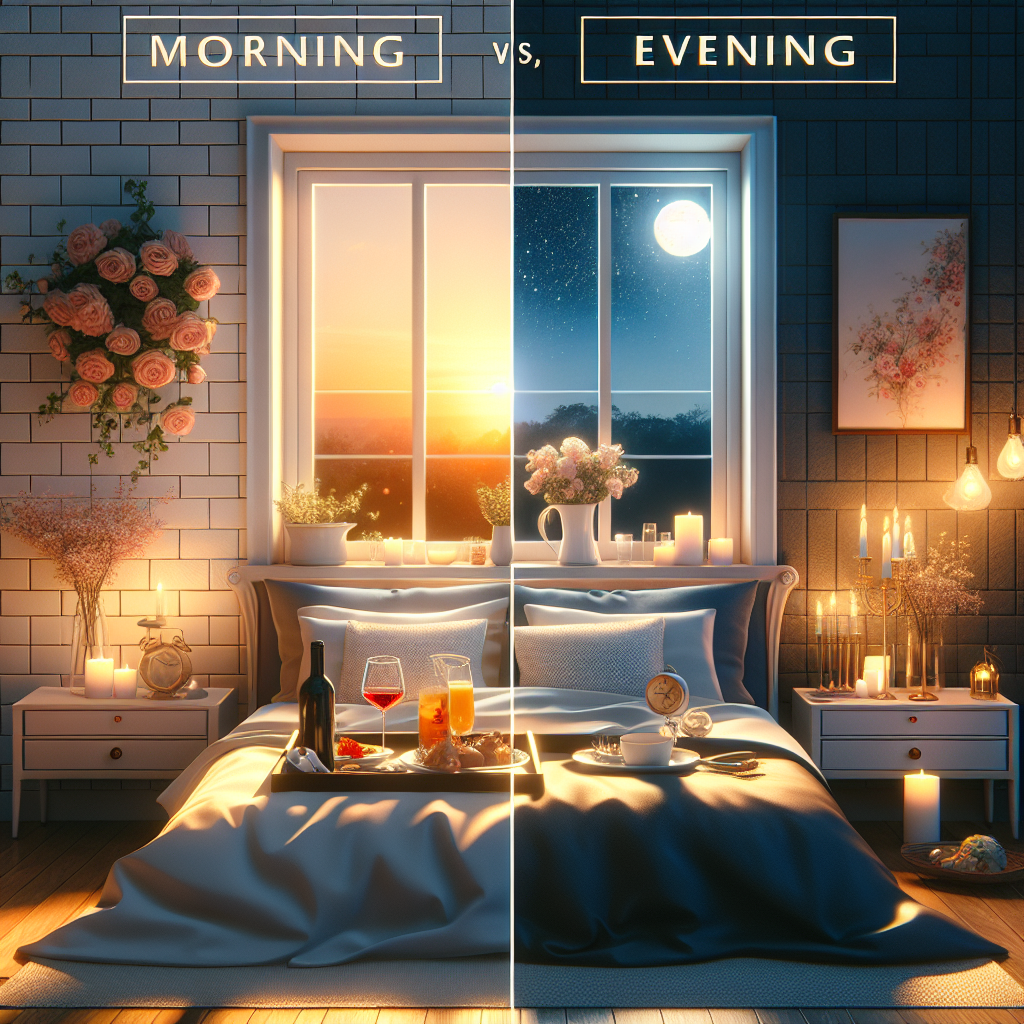
Morning Sex vs. Evening Sex — What’s Best for Performance?
When it comes to sex, timing may not be everything — but it certainly has a significant impact on sexual satisfaction and performance. Some people are energized by morning intimacy, while others feel most connected and relaxed in the evening. So, how does timing really affect sexual performance?
Let’s explore the science, mood factors, and benefits of morning versus evening sex to help you and your partner discover what works best for your connection and lifestyle.
The Benefits of Morning Sex
Higher Testosterone Levels Kickstart Passion
Biologically, morning sex has a powerful advantage: hormone levels. According to the Mayo Clinic, testosterone in men peaks in the morning — often 25 to 50 percent higher than at night — which may lead to increased libido, heightened self-confidence, and better sexual performance.
Women can also benefit from waking up to love. After a full night’s rest, oxytocin — the hormone that promotes bonding and affection — tends to be elevated, increasing emotional closeness.
Dr. Lauren Streicher, a clinical professor at Northwestern University, notes, “Morning sex can take advantage of natural hormonal peaks, making arousal and orgasm more achievable for both partners.”
If you often feel too exhausted at night to connect, consider the morning hours — even a few extra minutes of affection can transform the tone of your entire day.
Health and Energy Benefits After Waking Up
Engaging in morning intimacy carries physical perks, too. Morning sex can boost mood-enhancing chemicals like endorphins and serotonin, reduce cortisol levels (the hormone responsible for stress), and support immune health.
In fact, research from the Journal of Sexual Medicine suggests that regular sexual activity can lower blood pressure and improve cardiovascular health. Plus, it’s a calorie-burning activity — typically torching between 100 and 300 calories per session.
Mental Clarity Enhances Intimacy
The early hours offer more than hormonal advantages and health perks. Mornings tend to be mentally clear, peaceful, and free from distractions. Without the buzzing of phones or looming obligations, couples can connect more deeply in a focused and relaxed environment.
The Case for Evening Sex
Evening Brings Emotional Intimacy and Relaxation
At the end of a long day, relaxation often allows couples to connect on a deeper emotional level. A calmer mindset increases the drive for intimacy and creates the opportunity for slower, more passionate encounters.
Studies from the Kinsey Institute highlight that stress can reduce libido and affect arousal. Evening sex may offer relief from daily pressures, allowing partners to be more in tune and emotionally open.
Consider setting the stage — turning off devices, lighting candles, or enjoying a quiet dinner together can all help foster connection at night.
Convenience and Time for Deeper Connection
Evening sex often fits better into busy lives. With work and family responsibilities behind you, there’s typically more uninterrupted time to truly engage with your partner. Kids are asleep, emails are done, and there’s no stopwatch ticking.
This flexibility allows for longer foreplay, experimentation, and less pressure, all of which can heighten satisfaction and deepen the experience.
Atmosphere Enhances the Mood
There’s something inherently sensual about evenings. Dim lighting, soft music, and even a glass of wine can contribute to a romantic setting that is hard to achieve during the rush of morning routines.
However, moderation is key. While a single glass of wine may help reduce anxiety and increase comfort, overconsumption can impair performance and sensitivity.
Morning vs. Evening: What Enhances Sexual Performance?
Ultimately, performance isn’t tied strictly to the clock — it’s influenced by emotional connection, physical energy, and mental availability. Here are some helpful guidelines to figure out what might suit your relationship best:
Morning Sex May Be Better For:
– Men looking to make the most of peak testosterone levels
– Couples who feel energized and comfortable early in the day
– Individuals and partners who tend to be stressed or fatigued by evening
– Integrating sex into a wellness or self-care routine
Evening Sex May Work Best For:
– Couples who enjoy slower, more sensual connection time
– Partners needing space to unwind mentally and emotionally
– People who feel most confident and refreshed after nighttime rituals like showering
– Those who enjoy long, uninterrupted intimacy without early alarms
If performance is a concern — whether morning or night — consider professional support. There are physician-recommended treatments and prescription options available. Explore trustworthy services through platforms like edrugstore.com to learn about discreet solutions tailored to your needs.
Personal Preference Is Key
So, is there a “better” time to have sex? The honest answer is: it depends on you and your partner. Morning sex may evoke energy and closeness, while evening intimacy may offer emotional depth and passion.
The most important element is communication. Try both options, remain open to spontaneity, and talk with your partner about what feels most satisfying. Midday intimacy can even be a thrilling alternative when life allows it.
As Dr. Emily Morse, host of the Sex With Emily podcast, says, “There’s no wrong time to have sex if you’re being present, connected, and consensual about it. Mixing things up is what keeps things exciting.”
Final Thoughts
Whether you are drawn to the energy of the morning or the romance of the evening, understanding the emotional and physical dynamics of timing can help you improve your sexual connection. What matters most is shared enthusiasm, comfort, and alignment with your lifestyle.
Take time to explore different rhythms together. With open communication, a little experimentation, and attention to each other’s needs, you and your partner can find a routine that not only works — but brings you closer.
Want more expert guidance and performance solutions? Visit edrugstore.com to discover resources designed to support your sexual health and relationship goals.
References
– Mayo Clinic. (2023). Testosterone: What it does and doesn’t do. https://www.mayoclinic.org
– Journal of Sexual Medicine. (2020). The health benefits of sexual activity. https://doi.org/10.1016/j.jsxm.2020.05.005
– Kinsey Institute. (2019). Stress and its impact on relationships.
– Northwestern University Feinberg School of Medicine. Expert insights from Dr. Lauren Streicher.
– Morse, Emily. “Sex With Emily” Podcast — Episode: “Timing is Everything in the Bedroom.”
