
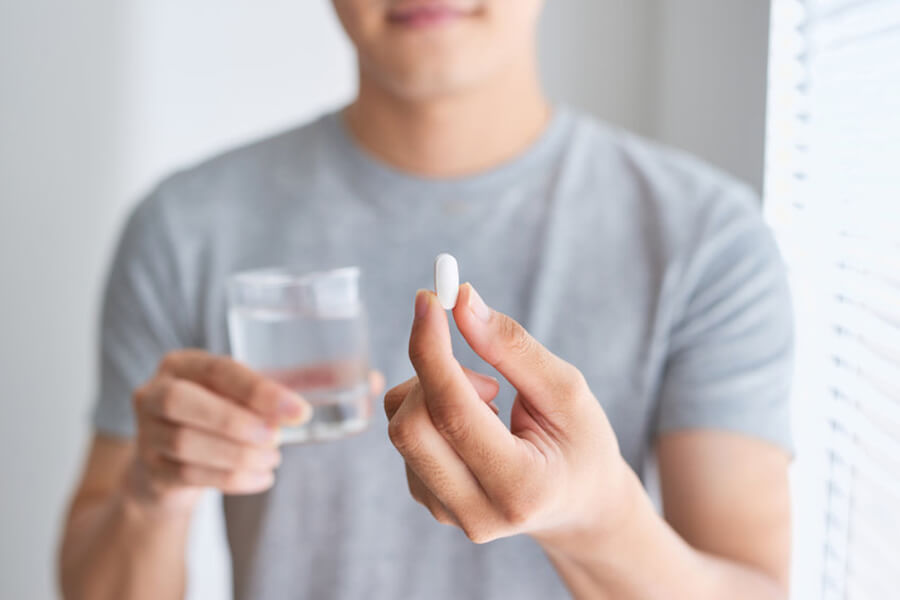
Understanding Post-SSRI Sexual Dysfunction
Post-SSRI Sexual Dysfunction: Navigating Erectile Dysfunction After Antidepressant Use
Millions of people rely on antidepressants like SSRIs to treat depression and anxiety. These medications are some of the most commonly prescribed in the United States, with over 13 percent of Americans using them annually (CDC, 2020). However, one lesser-known but life-altering side effect is long-term sexual dysfunction that can persist after discontinuing the medication. This condition is called Post-SSRI Sexual Dysfunction (PSSD).
PSSD symptoms may include persistent erectile dysfunction, lowered libido, and a distressing disconnection from physical and emotional sensations during sex. Dr. Lucy Williams, a psychiatrist specializing in psychopharmacology, explains, “PSSD isn’t just physical—it’s an emotional and relational injury that can deeply affect well-being and self-esteem.”
In the sections below, we’ll explore what PSSD is, how to identify its symptoms, and what options exist for treatment, including both medical and natural therapies to help manage erectile dysfunction after SSRIs.
What Is Post-SSRI Sexual Dysfunction?
Post-SSRI Sexual Dysfunction, or PSSD, refers to a condition where sexual side effects such as genital numbness or difficulty achieving orgasm start while taking SSRIs or SNRIs and continue long after the medication has been discontinued. While it’s common to experience temporary sexual issues during antidepressant use, PSSD symptoms can persist for months or even years.
Typical symptoms of PSSD include:
– Persistent erectile dysfunction after SSRIs
– Loss of libido or sexual desire
– Genital numbness, often described as a feeling of disconnection
– Emotional blunting or inability to experience pleasure (anhedonia)
– Delayed orgasm or difficulty reaching climax
To understand its seriousness, consider the case of a young man recovering from depression who no longer experiences sexual sensation or emotional connection, despite being otherwise healthy. Experts believe this condition is not psychological but rather neurological.
According to Healy and Le Noury (2018), the lasting nature of PSSD symptoms suggests possible neurochemical or structural changes in the brain that require ongoing research and clinical attention.
Why Does PSSD Occur?
Although the precise cause of sexual dysfunction following SSRI discontinuation is still unknown, several scientific theories offer possible explanations.
Dr. David Healy, a leading researcher in PSSD, explains, “SSRIs affect serotonergic pathways in the brain, but they may also cause lasting disruptions in dopamine and nerve function that impair sexual response.”
Leading theories include:
1. Neurotransmitter Imbalance
SSRIs increase serotonin levels, which in turn may suppress dopamine—an important neurotransmitter in sexual desire and pleasure. This disruption can linger after stopping the medications.
2. Nerve Desensitization
SSRIs may reduce the sensitivity of nerves in the genital region or affect spinal reflexes, creating a disconnect between physical stimulation and sexual satisfaction.
3. Genetic and Epigenetic Changes
There is early evidence that SSRIs may alter gene expression related to sexual function. These changes can persist even after stopping medication (Canal & Murnane, 2017).
These findings emphasize that PSSD is likely rooted in biological mechanisms, not simply mental health factors, highlighting the need for more medical acknowledgment and in-depth research.
Challenges in Diagnosing PSSD
Receiving a diagnosis for post-SSRI sexual dysfunction can be a frustrating and discouraging experience. Because there is no standard test for PSSD, medical professionals may misattribute symptoms to returning depression, stress, or anxiety.
Dr. Michelle Yang, a neuropsychiatrist, notes, “Patients often feel dismissed when reporting PSSD. The healthcare system is not yet equipped to recognize or treat enduring sexual side effects from SSRIs.”
Diagnosis typically relies on:
– A clear timeline linking sexual dysfunction with the start of SSRI use
– Continued symptoms lasting months after stopping the drug
– Exclusion of other potential causes such as diabetes or hormonal imbalances
Keeping a personal health journal and tracking symptoms over time can be a valuable tool when consulting with your healthcare provider.
Effective Strategies for Managing Erectile Dysfunction After Antidepressants
If you’re dealing with ED after antidepressant use, you’re not alone. Research shows that 50 to 70 percent of people using SSRIs report sexual side effects, and for some, these persist even after stopping the medication (Clayton et al., 2002). Fortunately, there are several strategies that may help you regain control.
1. Seek Help from a Specialist
Not every healthcare professional is familiar with PSSD. Consider asking for a referral to a sexual health specialist, urologist, or psychopharmacologist. For access to treatment options and expert guidance, visit edrugstore.com, where licensed providers can help explore effective solutions.
2. Lifestyle Improvements
Improving your general health can support sexual function:
– Engage in daily physical activity, including resistance training
– Reduce alcohol consumption and stop smoking
– Prioritize good sleep hygiene
– Eat a nutrient-rich diet high in omega-3s and antioxidants
A 2021 Harvard Health study found that men who walked just 30 minutes daily experienced up to a 41 percent improvement in ED symptoms.
3. Medication and Supplements
Several medical and natural options are available:
– PDE5 inhibitors like sildenafil (Viagra) or tadalafil (Cialis) can help improve blood flow and erection quality. Learn more at edrugstore.com
– Bupropion (Wellbutrin), a dopamine-targeting antidepressant, may help restore sexual desire when used off-label
– Natural remedies such as maca root, ginseng, and L-arginine show moderate effectiveness, though more research is needed. Always consult your doctor before starting supplements
4. Psychological and Sex Therapy
Even though PSSD is primarily physical, therapy can help manage its emotional effects. Approaches such as Cognitive Behavioral Therapy (CBT), couples counseling, or sex therapy can rebuild intimacy, self-confidence, and improve overall satisfaction.
5. Explore Emerging Treatments
Newer therapies are under investigation for their potential benefits, including:
– Shockwave therapy, which may stimulate nerve regeneration
– Hormone therapy like testosterone, if medically indicated
– Experimental options such as agomelatine and palmitoylethanolamide (PEA), currently in clinical trials
Always consult your physician before trying any new or off-label treatments.
Looking Ahead: A Growing Sense of Hope
Managing post-SSRI erectile dysfunction is undeniably difficult, but change is on the horizon. More researchers and healthcare professionals are starting to recognize and study this condition. Support networks such as the PSSD Network offer valuable resources and community.
Many individuals report gradual improvement over time. As scientific interest grows, hope remains that more precise treatment plans will follow, providing real paths to recovery.
Final Thoughts: You’re Not Alone
Post-SSRI Sexual Dysfunction isn’t just a frustrating side effect—it’s a real, life-altering condition that deserves greater attention. If you’re facing long-term sexual dysfunction after antidepressant use, remember that your symptoms are valid and you are not alone.
By finding the right medical support, advocating for more research, and exploring safe, evidence-based solutions, you can begin to regain control of your sexual and emotional health.
References
– Clayton, A. H., Keller, A., & McGarvey, E. L. (2002). Burden of phase-specific sexual dysfunction with SSRIs. Journal of Affective Disorders, 69(1–3), 141–148.
– Healy, D., & Le Noury, J. (2018). Persistent sexual dysfunction after discontinuation of selective serotonin reuptake inhibitors. International Journal of Risk & Safety in Medicine, 29(3–4), 135–147.
– Canal, C. E., & Murnane, K. S. (2017). The serotonin and dopamine systems: synergy between serotonergic and dopaminergic signaling. Neuropsychopharmacology Reviews.
– Centers for Disease Control and Prevention (CDC). (2020). Antidepressant Use in the United States.
– Harvard Health Publishing. (2021). Simple ways to reverse ED. Harvard University.
