
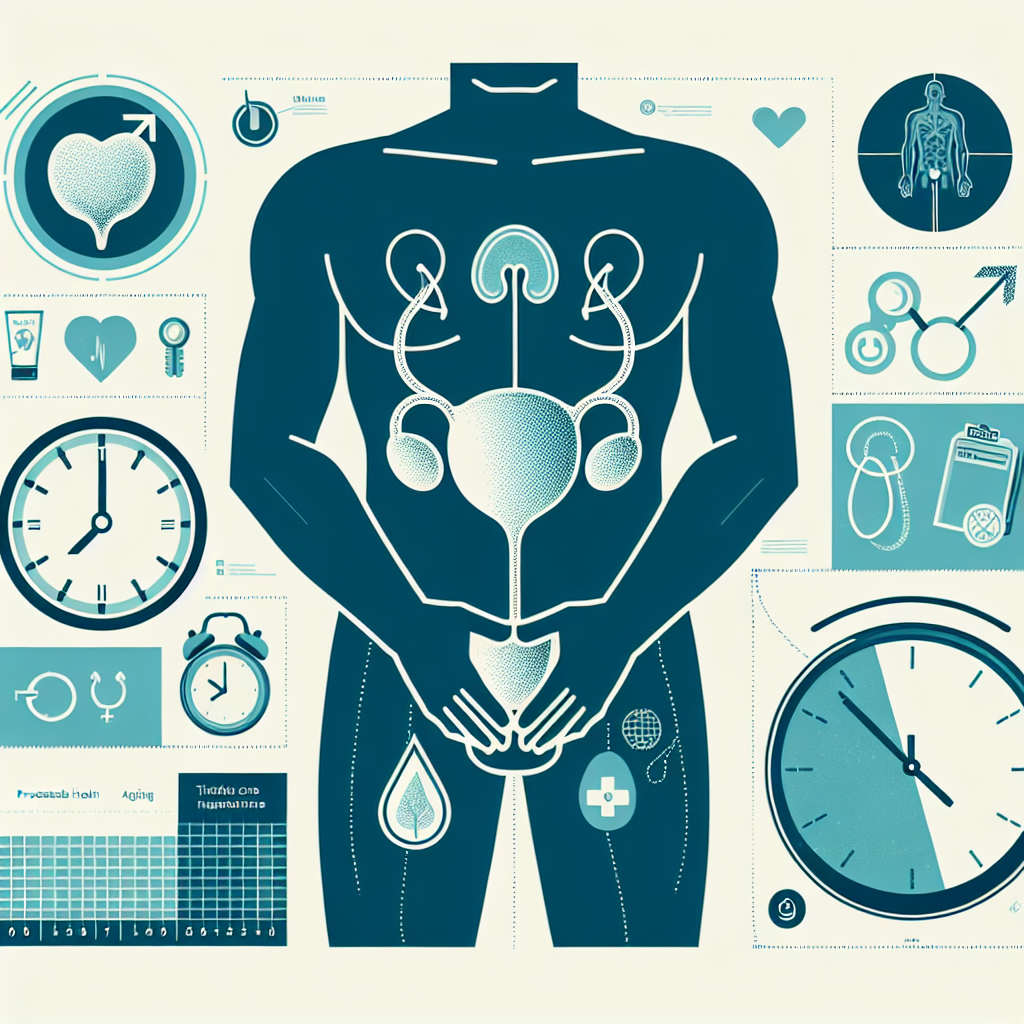
Enhanced Paragraph: Prostate Health and Aging: Debunking Myths and Understanding Changes Through the Decades
As men advance in age, prostate health emerges as a crucial concern affecting both their quality of life and overall well-being. Research shows that approximately 50% of men in their 60s and up to 90% of men in their 70s and 80s experience some level of prostate enlargement, known as Benign Prostatic Hyperplasia (BPH) ([National Institute on Aging](https://www.nia.nih.gov/health/prostate-health)). Unfortunately, myths surrounding prostate issues persist, leading to unnecessary fear. This article seeks to debunk common myths and shed light on how prostate health evolves over the decades.
Understanding the Prostate: Its Role and Importance
The prostate is a key component of the male reproductive system, a small gland located below the bladder and in front of the rectum. It produces seminal fluid, which is essential for nourishing and transporting sperm. Dr. John Smith, a renowned urologist, emphasizes, “Despite its small size, the prostate plays a critical role in male health, deserving the attention and care it needs.”
Common Myths About Prostate Health
# Myth: Only Older Men Have Prostate Problems
Reality: Prostate issues do become more common with age, but conditions like prostatitis, which affect nearly 8% of men, can occur in younger men as well ([American Urological Association](https://www.auanet.org/guidelines/prostatitis-guideline)). Early adoption of healthy lifestyle habits, such as regular check-ups and a nutritious diet, can mitigate these risks.
# Myth: Prostate Cancer is a Death Sentence
Reality: With a five-year survival rate of approximately 96% for early-detected prostate cancer, it is among the most treatable forms of cancer ([American Cancer Society](https://www.cancer.org/cancer/prostate-cancer.html)). Regular screenings and open communication with healthcare providers significantly improve outcomes, highlighting the importance of early detection.
# Myth: All Prostate Issues Lead to Cancer
Reality: Not all prostate issues are cancer-related. BPH is common with aging and is not cancerous, although it may require management for symptoms like frequent urination. Dr. Sarah Johnson notes, “Understanding and addressing symptoms promptly can lead to effective management of benign conditions.”
Prostate Health: Decade by Decade
# 30s: Building a Healthy Foundation
In the 30s, establishing healthy habits is essential for future prostate health. Regular exercise and a balanced diet are crucial. Incorporating foods rich in antioxidants, like tomatoes and kale, can support prostate well-being.
# 40s: Heightened Awareness
During their 40s, men should begin regular screenings, such as the prostate-specific antigen (PSA) test, especially if they have a family history of prostate cancer. Early screenings can catch problems promptly, enhancing management options.
# 50s: Taking Action
The 50s often bring increased awareness due to the rising incidence of BPH. This is the time for proactive management and dietary adjustments, like increasing fruit and vegetable intake while reducing red meat. Attention to urinary symptoms is also necessary.
# 60s and Beyond: Thriving with Knowledge
For men in their 60s and beyond, regular health screenings and an active lifestyle become vital. Open communication with healthcare providers can greatly enhance prognosis and management. Effective treatment is readily available, making this a period to emphasize preventive care.
Tips for Sustaining Prostate Health at Any Age
– Regular Screenings: Schedule yearly prostate health screenings.
– Nutritious Diet: Opt for a diet high in fruits, vegetables, and whole grains, while minimizing red meats.
– Consistent Exercise: Aim for physical activities at least three times a week.
– Limit Alcohol and Tobacco: Reducing these can improve overall well-being.
– Stay Informed: Keep up to date with advances in prostate health and treatments.
Conclusion: Empowering Men for Better Health
The journey of prostate health is an integral part of a man’s life, influenced by age and lifestyle choices. By debunking myths and acknowledging the changes across decades, men can take steps to ensure healthier outcomes. A balanced diet, regular exercise, and proactive collaboration with healthcare providers are pivotal in promoting prostate wellness and enhancing life quality. “Knowledge is power,” emphasizes Dr. Thomas Lee, urging men to stay informed for optimal health outcomes.
References:
1. National Institute on Aging. (n.d.). Prostate Health. Retrieved from [https://www.nia.nih.gov/health/prostate-health](https://www.nia.nih.gov/health/prostate-health).
2. American Urological Association. (n.d.). Prostatitis Guideline. Retrieved from [https://www.auanet.org/guidelines/prostatitis-guideline](https://www.auanet.org/guidelines/prostatitis-guideline).
3. American Cancer Society. (n.d.). Prostate Cancer. Retrieved from [https://www.cancer.org/cancer/prostate-cancer.html](https://www.cancer.org/cancer/prostate-cancer.html).
