
Understanding Sexual Stamina After 50: What It Really Means
When discussing aging and intimacy, few subjects are more surrounded by confusion than sexual stamina after 50. Whether you’re walking through a pharmacy or browsing online, you’ll encounter bold claims like “restore your youthful energy” or “reignite the spark overnight.” According to the U.S. Office of Disease Prevention and Health Promotion, nearly 64% of adults aged 51 to 64 remain sexually active. Yet, accurate facts are often overshadowed by aggressive marketing.
So, what’s real—and what’s simply misleading hype? It’s time to cut through the noise and explore what to expect, what’s achievable, and how to enjoy a meaningful and satisfying sex life after 50.
The Science of Aging and Sexual Health
As we age, our bodies naturally undergo changes that impact sexual function. For men, lower testosterone levels can result in decreased libido and longer recovery times between erections. For women, declining estrogen levels may cause vaginal dryness and decreased sensitivity. Blood flow may slow down, and medications used to treat conditions such as high blood pressure or diabetes can also affect sexual performance.
Mayo Clinic experts state, “Sexual function is a barometer of overall health—especially cardiovascular health.” For instance, a man in his 50s may experience longer times to achieve an erection, and it may not be as firm. A woman might find that more time or additional lubrication improves comfort and enjoyment. These changes don’t mean the end of intimacy—they signal the start of a different, more intentional approach.
What’s Possible: Setting Realistic and Fulfilling Sexual Goals After 50
Here’s the encouraging news: maintaining a satisfying sex life in your 50s, 60s, and beyond is not only possible—it may actually become more enriching. Emotional connection, life experience, and open communication all enhance intimacy.
AARP reports that more than 70% of people over 50 in committed relationships are happy with their sex lives. With that in mind, here are five science-backed strategies to support and boost sexual stamina after 50:
1. Prioritize Physical Fitness
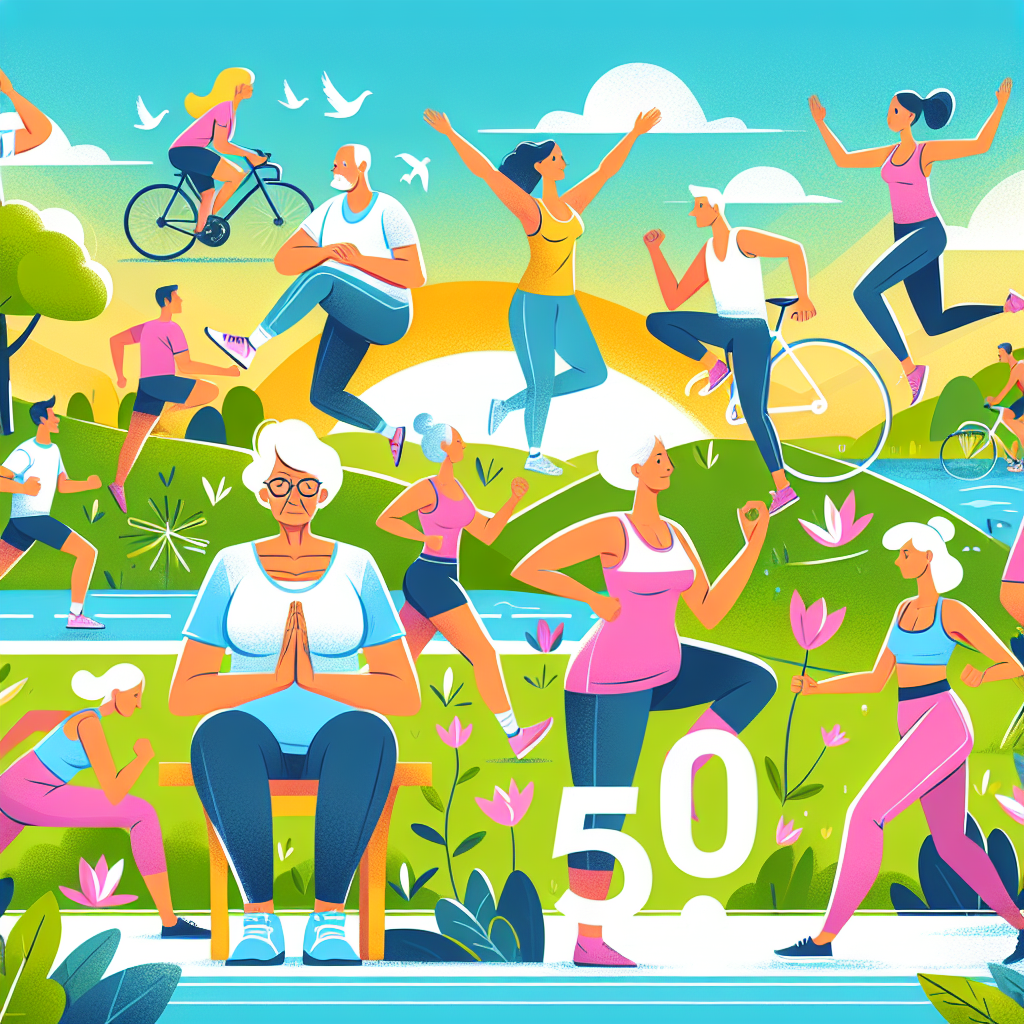
Engaging in regular exercise such as brisk walking, swimming, or yoga can significantly improve blood flow, enhance cardiovascular health, and lift your mood—all of which are vital to sexual vitality. Just 30 minutes per day can lead to noticeable improvements.
2. Eat for Energy and Hormonal Balance
A balanced diet rich in omega-3 fatty acids, zinc, and nutrients like L-arginine—found in fish, seeds, and nuts—can support hormone regulation and better circulation. While supplements are heavily marketed, nothing beats the stamina-supporting benefits of a nutrient-rich daily diet.
3. Strengthen Emotional Intimacy Through Honest Communication
Being open with your partner about desires, concerns, and changes in your body can defuse anxiety and strengthen bonds. Emotional connection often leads to physical satisfaction. If something isn’t working the way it used to, discussing it is the first step to finding a solution.
4. Seek Professional Medical Support When Needed
There is no shame in using medical support to enhance sexual health. Medications like sildenafil (Viagra), low-dose vaginal estrogen, or testosterone replacement (when appropriate) can be incredibly effective and safe when prescribed by a professional. Licensed U.S. providers, like those at eDrugstore.com, evaluate each prescription and ensure you’re getting the right care for your specific needs.
5. Expand Your Definition of Intimacy
True intimacy doesn’t always require intercourse. Many older couples find joy in focused touch, massages, shared sensual experiences, and open exploration. Redefining what sex means to you and your partner can create deeper satisfaction than ever before.
Beyond the Hype: Debunking Myths About Aging and Sexuality
The market is saturated with products claiming fast fixes for age-related sexual challenges—miracle pills, libido teas, and stamina-enhancing tonics. But how many of these actually work?
Dr. Abraham Morgentaler, a Harvard-affiliated urologist, says, “There’s no question many supplements offer hope—but few deliver real results.”
Below are some common myths—and the facts you need to know:
Myth 1: Frequent Sex Equals Better Health
Truth: Sexual frequency does not determine your health or well-being. What matters most is whether you and your partner feel satisfied and connected. Quality beats quantity every time.
Myth 2: Supplements Are the Ultimate Answer
Truth: While ingredients like L-arginine or maca root may provide mild support, most sexual health supplements are not FDA-approved and often lack scientific evidence. Always consult a medical professional before starting any new product. Trustworthy platforms like eDrugstore.com can help you find solutions backed by research.
Myth 3: Great Sex Stops at a Certain Age
Truth: Absolutely not. Based on studies from the National Institutes of Health, people well into their 70s and 80s can—and do—enjoy fulfilling sex lives. The key lies in adapting to your body’s changes and embracing new approaches to pleasure and connection.
Real-Life Intimacy: Aging Doesn’t Mean Settling
Consider a retired couple in their 60s who discover renewed passion through shared massage and mindful touch. Traditional intercourse might not be as frequent, but their sexual life is far from over—it’s evolving, and in many ways, becoming more emotionally rewarding.
Don’t Suffer in Silence: Get the Right Help
If sexual concerns are affecting your relationship or personal well-being, professional support can make all the difference. Talking to a primary care doctor, urologist, gynecologist, or licensed sex therapist can help address both physical and emotional dimensions of sexual health.
Dr. Ruth Westheimer, a renowned sex therapist, says it best: “There’s no age limit on love or desire. The biggest obstacle is often embarrassment—not biology.”
Your sexual well-being is an essential part of your overall health. With the right care and communication, you may discover that sexual stamina hasn’t vanished—it’s simply taken a new, more meaningful form.
Rewriting the Narrative: Embrace Change, Ditch the Hype
Enjoying a satisfying sexual life after 50 is not a fantasy—it’s a reality for countless people. But it doesn’t come from quick fixes or miracle products. It grows from good habits, emotional openness, and a proactive mindset.
The goal isn’t to replicate your 20s—it’s to redefine what intimacy means to you now. Whether through medical support, enhanced communication, or new techniques, the ability to experience pleasure and connection never goes out of style.
So bring your true self forward—and leave the marketing gimmicks behind.
References
– AARP. (2020). Sex After 50 Survey Results. https://www.aarp.org
– Mayo Clinic. (2023). Sexual Health in Older Adults.
– National Institutes of Health (NIH). (2022). Sexuality and Aging.
– Morgentaler, A. (2022). Testosterone for Life.
– eDrugstore.com. (2024). Erectile Dysfunction: Real Treatments Explained. https://www.edrugstore.com
