
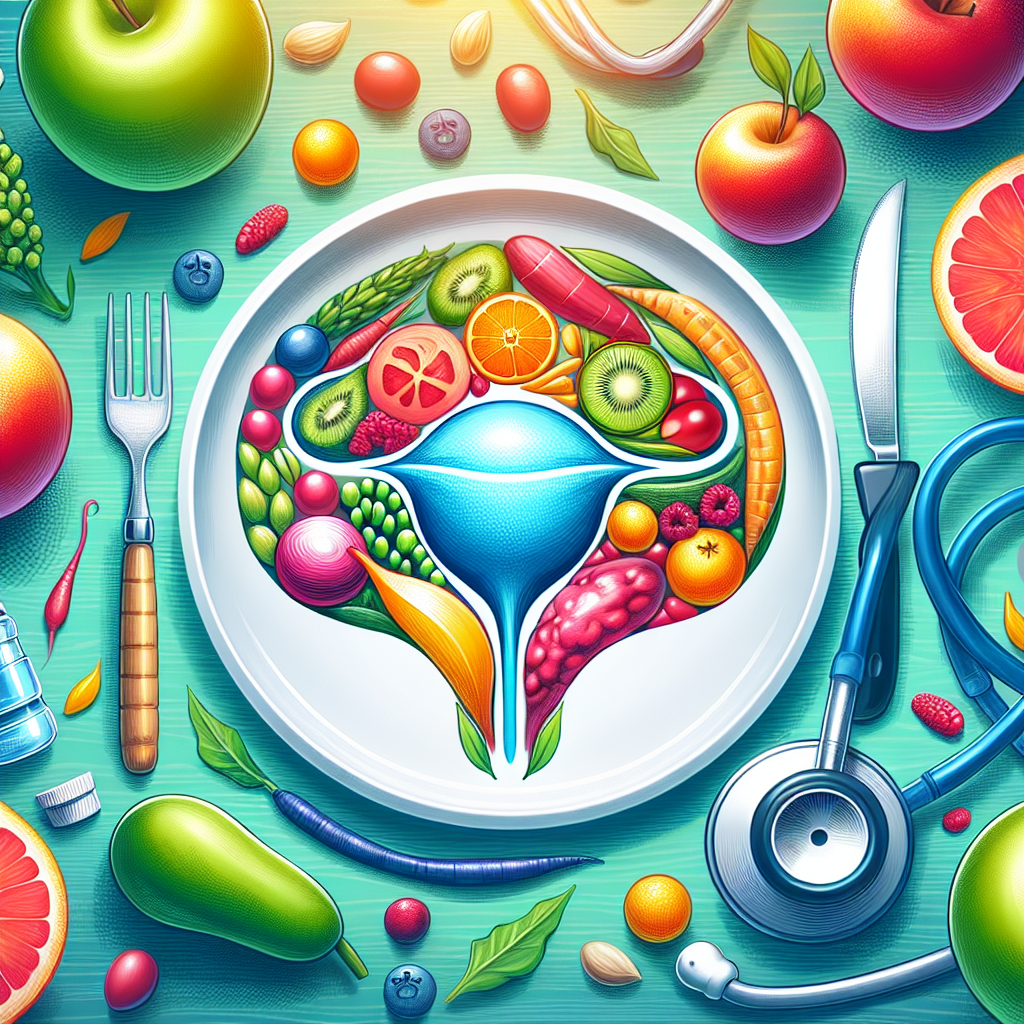
The Anti-Inflammatory Diet for a Healthy Prostate: Nourishing Your Body for Long-Term Wellness
Taking care of your prostate is crucial, especially as you age. Unfortunately, it’s often overlooked until symptoms arise. Conditions such as benign prostatic hyperplasia (BPH), prostatitis, and prostate cancer can significantly affect a man’s quality of life. The good news is that what you eat plays a powerful role in prevention and management.
Research reveals that chronic inflammation is a major contributor to prostate problems. A 2015 study published in the Journal of Clinical Oncology found that men with higher inflammation levels in prostate tissue were more likely to develop prostate cancer. This underscores the value of an anti-inflammatory diet for promoting prostate health.
“A nutrient-rich, anti-inflammatory diet is one of the strongest non-pharmacological tools we have to support prostate and overall health,” says Dr. Aaron Katz, a urologist and prostate health expert at NYU Langone Health.
Here’s how to use your diet to actually support—and protect—your prostate.
Understanding the Link Between Inflammation and Prostate Health
Chronic inflammation is an ongoing internal stressor that can quietly undermine your health over time. Unlike temporary inflammation due to injury, this persistent condition damages tissues such as the prostate.
Chronic prostatitis and prostate cancer have both been connected to prolonged inflammation. Diets high in sugar, processed foods, and unhealthy fats tend to promote these harmful effects, increasing the risk of prostate disease.
A 2020 review published in Cancer Prevention Research found that men who consumed more inflammatory diets had a 67 percent higher risk of developing advanced prostate cancer compared to those with anti-inflammatory eating habits.
The solution? Commit to eating more of the best foods known to reduce prostate inflammation—and limit those that fan the flames.
Key Components of an Anti-Inflammatory Diet for Prostate Health
An effective anti-inflammatory diet for the prostate isn’t about deprivation—it’s about making consistent, smart food choices that help rather than harm.
Eat the Rainbow: Colorful Fruits and Vegetables
Produce high in antioxidants, vitamins, and fiber helps combat oxidative stress. Tomatoes, watermelon, and pink grapefruit are rich in lycopene, a compound that may slow the growth of prostate cancer cells, according to the National Cancer Institute.
Choose Healthy Fats
Omega-3 fatty acids, found in fatty fish like salmon and sardines, as well as in flaxseeds and walnuts, are powerful inflammation reducers. A Harvard study linked higher omega-3 levels with a significantly lower risk of fatal prostate cancer.
Include Whole Grains
Replace refined carbs with fiber-dense grains like oatmeal, brown rice, quinoa, and barley. These help regulate blood sugar, preventing spikes that can lead to inflammation.
Select Lean Protein Wisely
Opt for lean protein sources such as chicken breast, turkey, tofu, or legumes. Stay away from red and processed meats, including bacon and cold cuts, which have been linked to increased prostate cancer risk by the World Health Organization.
Enhance Flavor with Healing Spices
Use herbs like turmeric, garlic, ginger, and rosemary to season food. These ingredients contain potent anti-inflammatory compounds like curcumin and allicin.
Drink Green and Herbal Teas
Green tea is loaded with catechins—antioxidants that help slow tumor growth and fight inflammation. Drinking one to two cups daily can offer lasting benefits.
Foods to Limit or Avoid in a Prostate-Friendly Diet
Avoiding certain foods is just as critical as adding healthy options when it comes to promoting prostate wellness.
- Processed Meats: These include chemical preservatives like nitrates that contribute to tissue inflammation.
- Sugary Foods and Drinks: Excess sugar spikes insulin and fuels inflammation throughout the body.
- Refined Carbohydrates: White bread, pastries, and sugary cereals raise blood sugar levels and offer little nutrition.
- Alcohol: While an occasional glass of red wine may offer antioxidant benefits, frequent or heavy alcohol use can irritate the prostate and disrupt hormone balance.
- Trans Fats: Often found in fried foods and packaged snacks, these fats are known for their inflammatory effects and have been banned in many countries.
If you’re struggling to make dietary adjustments, consider visiting edrugstore.com’s Men’s Health section for additional support and guidance.
The Role of Anti-Inflammatory Foods in Prostate Cancer Prevention
Can your diet truly prevent prostate cancer? Not entirely—but it can significantly reduce your risk and help manage disease progression.
Lycopene-rich foods, such as cooked tomatoes, are associated with an 11 percent reduction in prostate cancer risk, according to a 2014 review in the Journal of Nutritional Science.
Cruciferous vegetables like broccoli, kale, and Brussels sprouts contain sulforaphane, which supports hormone balance and aids in detoxification—two factors important in reducing cancer risk.
“Men who eat more plant-based, whole foods and less red meat tend to have lower rates of prostate cancer,” says Dr. Mark Moyad, author of The Supplement Handbook.
Maintaining a healthy body weight is essential as well. According to the American Cancer Society, obesity increases the risk of developing aggressive prostate cancer by as much as 64 percent.
Sample Anti-Inflammatory Meal Plan for Prostate Health
Looking for real-life examples to get started? Here’s a simple daily plan based on the best prostate-supportive foods:
Breakfast
Oatmeal with ground flaxseeds, fresh blueberries, and a touch of cinnamon. Pair with a cup of green tea.
Lunch
Grilled salmon over mixed leafy greens including spinach and arugula, with cherry tomatoes, cucumbers, avocado, and a turmeric-infused olive oil dressing.
Snack
A small handful of walnuts and a crisp apple.
Dinner
Vegetable stir-fry with tofu, quinoa, broccoli, carrots, garlic, and ginger. Enjoy with a calming cup of herbal hibiscus or lemon balm tea.
Dessert (Optional)
Mixed berries topped with a touch of raw honey or a slice of watermelon.
Remember, progress is more important than perfection. Every healthy choice adds up.
Beyond Diet: Lifestyle Strategies for Prostate Health
While diet is essential, your overall lifestyle has a lasting impact on prostate health.
Exercise Regularly
Aim for at least 150 minutes of moderate exercise each week. Physical activity supports hormone balance and reduces inflammation.
Stay Hydrated
Drink eight to ten glasses of water daily. Adequate hydration helps prevent bladder and prostate irritation.
Manage Stress
Chronic stress raises cortisol, a hormone that increases inflammation. Use mindfulness, meditation, or yoga to curtail stress levels.
Avoid Smoking
Toxins from cigarettes damage cells and accelerate inflammation in prostate tissues and beyond.
Get Regular Screenings
Speak with your healthcare provider about PSA testing and digital rectal exams (DRE), especially after age 50 or earlier if you have a family history of prostate issues.
For personalized guidance, visit edrugstore.com for confidential advice and convenient prescription delivery.
Conclusion: Eat to Protect Your Prostate
Prostate conditions don’t have to be inevitable. Your daily food choices have the power to reduce inflammation, lower cancer risk, and promote daily vitality.
“You can’t control your genetics, but you can fully control what goes on your plate. And that matters,” says Dr. Katz.
Start today by adding more vegetables to your meals, sipping green tea, and cutting out processed snacks. Your prostate—and your future self—will thank you.
References
- National Cancer Institute. Lycopene and Prostate Cancer. https://www.cancer.gov/about-cancer/causes-prevention/risk/diet/lycopene-fact-sheet
- American Cancer Society. Obesity and Cancer Risk. https://www.cancer.org/cancer/cancer-causes/diet-physical-activity/body-weight-and-cancer-risk.html
- Harvard T.H. Chan School of Public Health. Omega-3 Fatty Acids and Prostate Cancer. https://www.hsph.harvard.edu/nutritionsource/omega-3-fats/
- Journal of Clinical Oncology. Inflammation and Prostate Cancer Risk. https://ascopubs.org/doi/full/10.1200/JCO.2015.61.4655
- World Health Organization. Processed Meat and Cancer. https://www.who.int/news/item/26-10-2015-iarc-monographs-evaluate-consumption-of-red-meat-and-processed-meat
- Cancer Prevention Research. Dietary Inflammatory Index and Prostate Cancer Risk. https://aacrjournals.org/cancerprevres/article-abstract/13/11/1001/478734
