
Meta title, The Checked Out Effect, Why Emotional Presence Can Fade Before Sexual Desire
Meta description, The checked out effect describes emotional disconnection that happens before desire fully disappears. Learn causes, signs, health factors, treatment options, and when to seek help.
Introduction
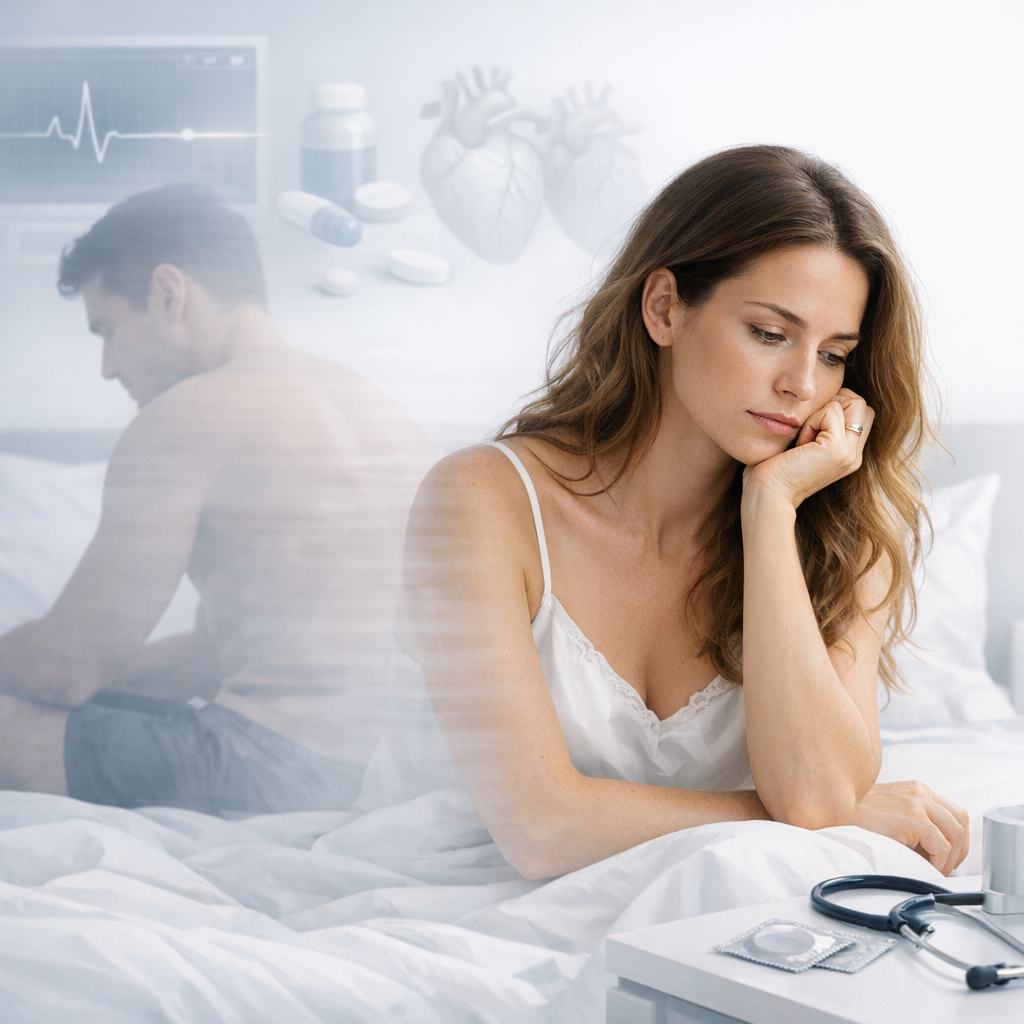
You can still love someone, still find them attractive, and still want your relationship to work, while feeling emotionally absent. That quiet distance is often what people mean when they describe the checked out effect.
The checked out effect happens when presence fades before sexual desire fully disappears. A person may still have a sex drive, still care about intimacy, and still want closeness, but stress, resentment, anxiety, fatigue, or health concerns make it hard to stay emotionally available.
This matters because emotional disconnection can slowly affect sexual wellness, communication, relationship satisfaction, and mental health. Sexual concerns are common. Research published in JAMA found that sexual dysfunction affects about 43 percent of women and 31 percent of men in the United States. Reference 1.
This article explains what the checked out effect looks like, why it happens, how it can affect desire, and what medical, behavioral, and relationship based solutions may help.
What Is The Checked Out Effect
The checked out effect is not a formal medical diagnosis. It is a common way to describe feeling emotionally unavailable, mentally distracted, or disconnected during moments that once felt intimate.
It can show up in dating, marriage, long term partnerships, and sexual relationships. It does not always mean someone has stopped caring. In many cases, it means their nervous system, emotional bandwidth, or physical health is under strain.
People experiencing the checked out effect may say things like these.
- I want to want intimacy, but I feel distant.
- I feel present at work, but not at home.
- I still have desire, but I avoid closeness.
- I feel touched out, tired, or numb.
- I go through the motions, but I am not emotionally there.
This gap between desire and presence can be confusing. Desire is not only about hormones or attraction. It is shaped by stress, sleep, mood, safety, body image, medications, relationship quality, and physical health.
Signs You May Be Emotionally Checked Out
The checked out effect can be subtle at first. It may not begin with conflict or loss of attraction. Often, it starts as avoidance, distraction, or emotional fatigue.
Common signs include the following.
- Less interest in deep conversations.
- Feeling irritated by small requests for attention.
- Avoiding sex, cuddling, or affection even when you still care.
- Feeling mentally elsewhere during intimacy.
- Using work, screens, alcohol, or chores to avoid closeness.
- Less curiosity about your partners day or feelings.
- Feeling numb instead of angry or sad.
- Wanting space but not knowing how to explain why.
In sexual wellness, emotional absence can matter as much as physical arousal. A person may still have erections, lubrication, orgasm, or spontaneous desire, yet feel disconnected. Another person may experience low libido because emotional stress has started to affect the body.
Why Presence Can Disappear Before Desire Does
Presence is the ability to be mentally and emotionally engaged in the moment. Sexual desire is the interest or motivation to have sexual activity. These two often overlap, but they are not the same.
Someone may still feel desire in theory, but not feel emotionally safe, rested, or connected enough to act on it. This can happen when the brain is focused on threat, stress, unresolved conflict, or exhaustion.
The stress response plays a major role. When the body is under chronic stress, it releases hormones such as cortisol and adrenaline. Over time, stress can affect sleep, mood, energy, and sexual function. The National Institutes of Health notes that long term stress can contribute to health problems across many body systems. Reference 2.
In simple terms, the body may still be capable of desire, but the mind may not feel available for connection.
Common Causes Of The Checked Out Effect
The checked out effect usually has more than one cause. It may come from relationship patterns, health issues, lifestyle strain, or emotional overload.
Common causes include the following.
- Chronic stress from work, caregiving, finances, or family pressure.
- Unresolved resentment or repeated conflict.
- Depression, anxiety, or trauma history.
- Poor sleep or sleep disorders.
- Hormonal changes related to menopause, postpartum changes, thyroid disease, or low testosterone.
- Body image concerns or performance anxiety.
- Medication side effects, including some antidepressants and blood pressure medicines.
- Alcohol or substance use.
- Pain with sex, erectile dysfunction, vaginal dryness, or orgasm difficulties.
Depression is especially important because it can reduce pleasure, motivation, energy, and libido. Mayo Clinic lists loss of interest in normal activities, tiredness, sleep changes, and sexual problems among possible depression related concerns. Reference 3.
Sleep also matters. Poor sleep is linked with mood changes, lower energy, and sexual health concerns. Harvard Health reports that sleep problems can worsen stress, heart health, metabolism, and overall well being. Reference 4.
How The Checked Out Effect Impacts Sexual Desire
The checked out effect can create a cycle. One partner feels distant. The other partner feels rejected. Pressure increases. Intimacy begins to feel like a test instead of a source of connection. Over time, desire may drop because the emotional setting no longer feels relaxed or safe.
For men, stress and disconnection can contribute to performance anxiety, erectile dysfunction, and reduced confidence. Erectile dysfunction is common, affecting about 30 million men in the United States, according to NIH supported information. Reference 5.
For women, emotional disconnection can affect arousal, lubrication, orgasm, and interest in sex. Hormonal shifts during perimenopause and menopause can also cause vaginal dryness, discomfort with sex, and changes in desire. Cleveland Clinic notes that menopause related estrogen decline can cause vaginal dryness and painful sex. Reference 6.
For all genders, the brain is a major sexual organ. If a person feels unsafe, criticized, exhausted, or emotionally unseen, desire may become harder to access.
When It May Be A Medical Issue
Not every case of the checked out effect is medical. However, it is wise to consider a health evaluation if emotional disconnection comes with new or persistent physical symptoms.
Talk with a licensed healthcare provider if you notice any of the following.
- Low libido lasting several months.
- New erectile dysfunction or changes in erections.
- Pain with sex or vaginal dryness.
- Irregular periods, hot flashes, or menopause symptoms.
- Fatigue, weight changes, cold intolerance, or symptoms of thyroid disease.
- Depression, panic symptoms, or loss of interest in daily life.
- Low mood with thoughts of self harm.
- Sexual side effects after starting a medication.
The CDC recommends seeking help right away if someone is in crisis or thinking about self harm. In the United States, calling or texting 988 connects people to the Suicide and Crisis Lifeline. Reference 7.
Treatment And Solutions For The Checked Out Effect
Treatment depends on the cause. The goal is not to force desire. The goal is to rebuild emotional safety, improve health, and reduce barriers to intimacy.
Helpful options may include the following.
- Medical evaluation. A clinician may review medications, mood symptoms, sleep, alcohol use, sexual function, and hormone related concerns. Labs may include thyroid testing, testosterone testing in men with symptoms, blood sugar, lipids, or other tests based on history.
- Individual therapy. Cognitive behavioral therapy, trauma informed therapy, or mindfulness based therapy may help with anxiety, depression, avoidance, and emotional shutdown.
- Couples therapy. A trained therapist can help partners discuss resentment, rejection, conflict patterns, and intimacy expectations in a safer way.
- Sex therapy. Certified sex therapists can help with desire differences, performance anxiety, pain with sex, orgasm concerns, and communication about sexual needs.
- Sleep improvement. A regular sleep schedule, limiting alcohol, treating sleep apnea, and reducing late night screen use may improve energy and mood.
- Exercise. Regular physical activity supports heart health, mood, body confidence, and sexual function. The CDC recommends adults get at least 150 minutes of moderate intensity aerobic activity each week. Reference 8.
- Reducing alcohol. Alcohol can reduce sexual performance, worsen sleep, and increase mood symptoms in some people.
Medications may help when a specific sexual health condition is present.
For erectile dysfunction, phosphodiesterase type 5 inhibitors, such as sildenafil or tadalafil, may be prescribed when appropriate. These medications can cause headache, flushing, nasal congestion, heartburn, or dizziness. They should not be used with nitrates because the combination can cause a dangerous drop in blood pressure. The FDA includes nitrate interaction warnings for these medications. Reference 9.
For vaginal dryness or painful sex related to menopause, options may include lubricants, moisturizers, vaginal estrogen, vaginal DHEA, or other therapies depending on medical history. These treatments should be discussed with a clinician, especially for people with a history of breast cancer, blood clots, or unexplained vaginal bleeding.
For hypoactive sexual desire disorder in some premenopausal women, FDA approved medications such as flibanserin or bremelanotide may be considered. These medications are not right for everyone and can have side effects. Flibanserin may cause dizziness, sleepiness, nausea, fatigue, and low blood pressure, especially with alcohol or certain medications. Reference 10.
For low testosterone, testosterone therapy is only recommended when symptoms are present and blood tests confirm consistently low levels. It is not a general solution for feeling checked out. Possible risks and side effects include acne, fluid retention, changes in fertility, worsening sleep apnea, and increased red blood cell count. Treatment should be monitored by a licensed clinician.
How Telemedicine Can Help
Telemedicine can be a practical first step for people who feel uncomfortable bringing up intimacy concerns in person. A licensed provider can review symptoms, medical history, medications, and possible causes of low desire, erectile dysfunction, mood changes, or hormone related symptoms.
Through telemedicine, patients may be able to discuss.
- Low libido and desire changes.
- Erectile dysfunction.
- Premature ejaculation or performance anxiety.
- Menopause symptoms and vaginal dryness.
- Medication side effects.
- Possible lab testing for thyroid, testosterone, diabetes risk, or other concerns.
- Referrals for therapy, sex therapy, or in person care when needed.
Telemedicine is not a replacement for emergency care or all physical exams. Severe pelvic pain, chest pain, sudden neurologic symptoms, thoughts of self harm, or unexplained bleeding should be evaluated urgently.
Practical Ways To Rebuild Presence
Small, consistent changes often work better than dramatic promises. Rebuilding presence means creating moments where the nervous system can relax and connection can return.
Try these steps.
- Start with honesty. Say, I care about us, but I have been feeling distant, instead of blaming or withdrawing.
- Schedule non sexual closeness. Walks, meals without phones, or 20 minutes of conversation can rebuild safety.
- Remove pressure from sex. Focus on affection, touch, and curiosity before trying to fix desire.
- Address resentment early. Unspoken anger often turns into avoidance.
- Protect sleep. Exhaustion can make emotional presence much harder.
- Check medications. Ask a clinician if a medication could be affecting libido, arousal, or mood.
- Get help sooner. You do not need to wait until the relationship feels broken.
FAQ
What does it mean to be checked out in a relationship
Being checked out means feeling emotionally distant, mentally distracted, or less engaged with your partner. It may affect communication, affection, and sex, but it does not always mean love or desire is gone.
Can you still desire someone if you feel checked out
Yes. Desire and emotional presence are related, but they are not identical. Stress, anxiety, resentment, fatigue, or health issues can make someone feel unavailable even when attraction remains.
Is low libido always caused by relationship problems
No. Low libido can be related to mood disorders, sleep problems, medications, hormones, chronic illness, pain with sex, alcohol use, or stress. A medical review can help identify treatable causes.
When should I see a doctor for loss of desire
Consider medical care if low desire lasts several months, appears suddenly, causes distress, or comes with erectile dysfunction, pain with sex, depression, fatigue, hormone symptoms, or medication changes.
Can therapy help the checked out effect
Yes. Individual therapy, couples therapy, and sex therapy can help address avoidance, conflict, anxiety, trauma, desire differences, and communication patterns that affect intimacy.
Can medication fix the checked out effect
Medication may help if there is a specific condition such as erectile dysfunction, depression, menopause related vaginal dryness, or hypoactive sexual desire disorder. However, medication alone may not solve emotional disconnection or relationship stress.
Conclusion
The checked out effect is the space between still wanting connection and not feeling fully present for it. It can happen because of stress, unresolved conflict, depression, poor sleep, hormone changes, sexual pain, medication side effects, or performance anxiety.
The good news is that emotional presence can often be rebuilt. A careful approach may include better communication, therapy, sleep support, lifestyle changes, medical evaluation, and appropriate treatment for sexual health concerns.
If the checked out effect is affecting your relationship, sexual wellness, or mental health, consider speaking with a licensed healthcare provider. Getting clear information is often the first step toward feeling connected again.
References
1. Laumann EO, Paik A, Rosen RC. Sexual dysfunction in the United States, prevalence and predictors. JAMA. PubMed. www.pubmed.ncbi.nlm.nih.gov
2. National Institutes of Health. Stress and your health. www.nih.gov
3. Mayo Clinic. Depression, major depressive disorder, symptoms and causes. www.mayoclinic.org
4. Harvard Health Publishing. Sleep and health information. www.health.harvard.edu
5. National Institute of Diabetes and Digestive and Kidney Diseases. Erectile dysfunction. www.niddk.nih.gov
6. Cleveland Clinic. Menopause and vaginal dryness. www.clevelandclinic.org
7. Centers for Disease Control and Prevention. Mental health and crisis resources. www.cdc.gov
8. Centers for Disease Control and Prevention. Physical activity guidelines for adults. www.cdc.gov
9. U.S. Food and Drug Administration. Erectile dysfunction medicines and nitrate safety warnings. www.fda.gov
10. U.S. Food and Drug Administration. FDA approved treatments for hypoactive sexual desire disorder. www.fda.gov
