
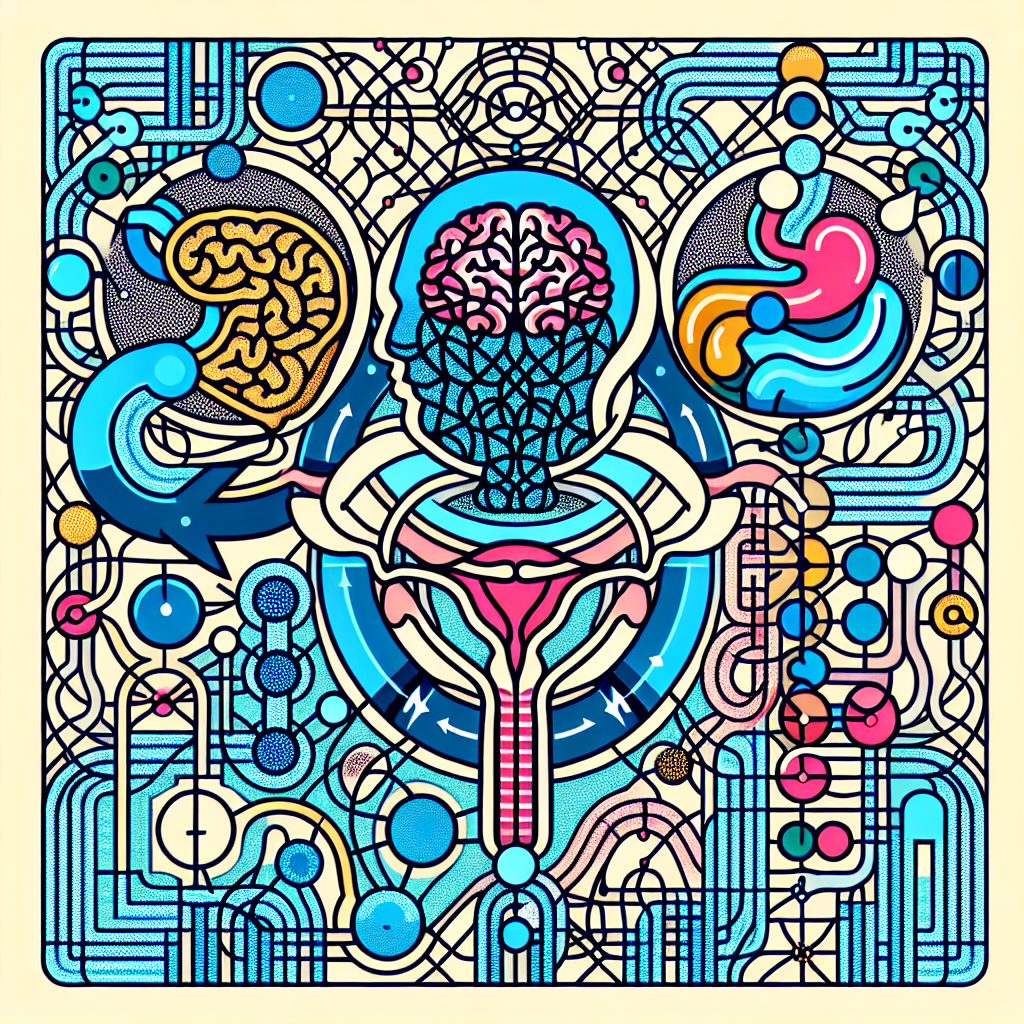
The Gut-Brain-Testosterone Axis: Unlocking Libido from Within
In today’s demanding, fast-paced world, maintaining optimal health—especially regarding libido and hormonal balance—can be a challenge. However, a surprising source of revitalization may lie in your digestive system. Welcome to the concept of the gut-brain-testosterone axis, a powerful and scientifically supported framework that uncovers how your gut, brain, and hormones interact to impact your sexual vitality.
A growing body of research, including a 2020 review in Andrology, points to a clear connection: disturbances in gut microbiota can interfere with testosterone production and metabolism. In essence, when your gut health suffers, your hormones may follow.
Connecting the Dots: Gut, Brain, and Testosterone
Testosterone is often associated solely with libido and muscle mass, but it’s actually part of a complex physiological network. This hormone works synergistically with the gut microbiome and the brain, affecting mood, energy, metabolism, and sexual desire.
According to Dr. Emeran Mayer, medical researcher and author of The Mind-Gut Connection, “The gut and the brain are in constant communication. Your microbiome doesn’t just impact digestion—it shapes how you feel mentally, emotionally, and hormonally.”
Here’s a deeper look at how each part of the triangle contributes:
– The Gut: Host to over 100 trillion microorganisms, your gut helps process nutrients, synthesize enzymes, and support neurotransmitter and hormone regulation. Research from Clarke et al. (2014) shows that certain gut bacteria play a pivotal role in testosterone and estrogen metabolism.
– The Brain: Serving as your emotional and decision-making hub, the brain controls mood and desire. Stress, anxiety, and depression—often stemming from gut imbalances—can reduce libido and suppress hormone levels.
– Testosterone: Produced mainly in the testes (in men) and ovaries (in women), testosterone supports sex drive, muscle growth, energy, and mood. Disruptions in brain or gut function can diminish its production.
When one component of this system is out of alignment—due to poor diet, ongoing stress, lack of sleep, or chronic illness—the others tend to suffer as well. Common results of such imbalance include low libido, persistent fatigue, and mood disturbances.
How Gut Health Influences Hormone Production
New research emphasizes the impact of gut health on testosterone levels. A 2019 study published in Frontiers in Endocrinology found that inflammation originating in the gut can significantly reduce testosterone production in the testes.
When the gut lining is compromised—due to factors such as stress, processed foods, high alcohol intake, or antibiotic overuse—it can lead to leaky gut syndrome. This condition allows toxins to enter the bloodstream, triggering chronic inflammation, which in turn disrupts healthy hormone production.
To restore gut and hormonal health:
– Incorporate probiotic-rich foods like yogurt, kefir, kimchi, and sauerkraut to introduce beneficial bacteria.
– Add prebiotics to your diet—fibers that support good bacteria—found in garlic, onions, bananas, and oats.
– Eliminate overly processed foods, sugary snacks, and excessive alcohol.
– Increase daily water intake to aid digestion and nutrient delivery.
– Consider a reliable probiotic supplement as part of your wellness routine.
For example, someone experiencing persistent fatigue, bloating, and a decreased sex drive might find significant relief through a holistic gut reset that includes fiber-rich foods, hydration, and probiotic supplementation—before turning to medications or hormone testing.
The Gut as Your “Second Brain”: Mood and Libido Are Linked
Strange as it may sound, your gut is often referred to as your “second brain.” Containing over 100 million nerve cells and producing up to 90 percent of your serotonin, the gut plays a crucial role in emotional health.
This nervous system, known as the enteric nervous system, stays in constant communication with the brain via the vagus nerve. Research from Harvard Health supports the idea that gut imbalances are strongly linked to psychological disorders like anxiety and depression—conditions known to decrease libido.
Stress, particularly when chronic or gut-induced, causes increased cortisol levels. Cortisol, in excess, inhibits testosterone production and wreaks havoc on your hormonal equilibrium.
To support the gut-brain axis and improve sexual health:
– Practice mindfulness, meditation, or deep breathing to lower stress levels.
– Engage regularly in physical activity, such as walking or lifting weights, to boost mood and hormonal function.
– Try natural adaptogens like ashwagandha or rhodiola, which may help balance cortisol and support mental clarity.
A simple 10-minute daily meditation routine can increase parasympathetic nervous system activity, reduce stress, and aid in restoring natural libido levels.
The Real Role of Testosterone: Energy, Mood, and More
While often linked only to sex drive, balanced testosterone supports many essential bodily functions. When testosterone is at healthy levels, it enhances energy, cognitive performance, physical strength, and emotional stability. Conversely, low levels bring along a host of symptoms:
– Reduced interest in sex
– Persistent fatigue
– Diminished muscle strength and recovery
– Brain fog and lack of motivation
Safe, natural ways to support and preserve testosterone levels include:
– Prioritizing 7 to 8 hours of quality sleep every night—this is when most testosterone is produced.
– Engaging in resistance training multiple times per week to stimulate natural hormone production.
– Including foods rich in zinc (pumpkin seeds, oysters), magnesium (spinach, dark chocolate), and vitamin D (sunlight or supplements) to support hormonal health.
– Reducing exposure to xenoestrogens—found in certain plastics, chemical cleaning agents, and personal care products—as they mimic estrogen and disrupt testosterone balance.
A middle-aged man experiencing lower energy and libido may find significant improvement by incorporating strength training, boosting vitamin D intake, and switching to natural skin and hygiene products.
Reignite Libido by Nurturing the Gut-Brain-Testosterone Axis
Libido is more than a desire switch—it’s a reflection of your internal health. When any part of the gut-brain-testosterone axis falters, your sexual vitality may decline. But the good news is that improvements in lifestyle can fuel a natural and meaningful revival of desire.
Support this critical axis by:
1. Cleaning up your diet to enhance gut microbiota.
2. Managing daily stress through mindfulness, movement, and restorative routines.
3. Boosting hormone levels with essential micronutrients and healthy habits.
4. Exercising consistently with both resistance and restorative activities.
5. Ensuring adequate quality sleep and recovery time.
As Dr. Mark Hyman accurately states, “When you treat the root cause—like inflammation and gut dysfunction—you’re fixing the entire body, not just the symptoms.”
Improvements in libido often begin long before medical intervention becomes necessary. But when additional support is required, telehealth services such as those offered by eDrugstore are available, enabling individuals to conveniently access expert consultation and treatment.
The Takeaway: True Vitality Begins in the Gut
Your energy, mood, and sexual health don’t depend on a single supplement or prescription. They are rooted in the overall harmony of your biologic systems—particularly the interplay between your gut, brain, and hormones.
Focus on healing and optimizing these areas, and your vitality will often return naturally. Begin by nourishing your gut, reducing your stress, sleeping better, and strengthening your body—and you may soon discover that your renewed desire was inside you all along.
Ready to take the first step? Consider simple changes today and consult a trusted healthcare provider when necessary. Your health journey starts from the inside out—and your gut is the foundation.
References
– Clarke, G., Stilling, R.M., Kennedy, P.J. et al. (2014). Minireview: Gut Microbiota: The Neglected Endocrine Organ. Molecular Endocrinology, 28(8), 1221–1238.
– Mayer, E.A. (2016). The Mind-Gut Connection. Harper Wave.
– Frontiers in Endocrinology. (2019). Gut Microbiota Dysbiosis and Testosterone Deficiency.
– Harvard Health Publishing. (2017). The Gut-Brain Connection: How it Works and The Role of Stress.
– Hyman, M. (2020). The UltraMind Solution. Scribner.
– Andrology Journal (2020). Microbiota and Male Reproductive Health.
