
Certainly! Below is the final web-friendly, ready-to-publish article with cleaned formatting, optimal grammar, improved flow, and added
subheadings for enhanced structure and engagement.
The Hidden Role of Magnesium Transport in Erectile Tissue: A Key to Sexual Health
In the evolving landscape of men’s health, some essential nutrients never go out of style—and magnesium is one of them. Best known for its role in muscle and heart health, magnesium also plays a more subtle yet critical role in male sexual function, specifically in how it supports healthy erections through vascular and cellular transport mechanisms.
Recent studies reveal that proper magnesium transport into erectile tissue is vital for maintaining firm and lasting erections. Here’s how this underrated mineral powers sexual health, and why it might be a natural solution for early signs of erectile dysfunction (ED).
How Erections Work: The Physiology Behind Sexual Function
To understand magnesium’s role, it helps to know the basics of how an erection happens.
Erections involve a complex coordination between the brain, nerves, blood vessels, and hormones. During arousal, signals from the nervous system trigger the smooth muscles in the penis to relax. This relaxation allows blood to surge into the corpora cavernosa, causing penile expansion and rigidity. Simultaneously, blood is trapped within the penis by the tunica albuginea to sustain the erection.
Magnesium supports this mechanism by promoting smooth muscle relaxation and enhancing blood flow to the penile tissue. As magnesium helps regulate both calcium levels and nitric oxide synthesis—two critical elements in penile blood flow—it serves as a vital player in sustaining erections.
According to Dr. John La Puma, a board-certified internist and nutrition expert, “Without adequate magnesium, blood vessels can constrict too tightly, reducing blood flow—not just to the heart or brain, but also to the penis.”
Magnesium’s Role in Blood Vessel and Muscle Function
Magnesium works as a natural calcium channel blocker. While calcium promotes muscle contraction, excess calcium in the smooth muscle lining blood vessels can lead to constriction. Magnesium counteracts this effect, leading to relaxed vessels and improved circulation.
In terms of sexual wellness, this translates into more efficient blood delivery to the penis during arousal. But if magnesium levels are low or not effectively absorbed by smooth muscle cells in the penis, blood flow into the corpora cavernosa is reduced—resulting in softer or less sustained erections.
A study published in the American Journal of Clinical Nutrition noted that individuals with low magnesium intake had significantly higher risks of elevated blood pressure—a known factor contributing to ED.
In essence, magnesium acts like a “green light” for healthy blood flow and sexual signaling. If levels are insufficient, your body’s natural arousal triggers may not reach their intended destination efficiently.
Nitric Oxide and Magnesium: Powering the Signal of Erection
Magnesium is also essential for the production of nitric oxide (NO), a gas molecule pivotal in generating and sustaining an erection.
The enzyme that creates nitric oxide—nitric oxide synthase (NOS)—depends on magnesium as a cofactor to convert L-arginine into NO. Without adequate magnesium levels, NO production decreases, impairing the blood vessel relaxation needed for firm erections.
“Magnesium is not just supporting blood vessel health—it’s part of the molecular engine that initiates an erection,” says Dr. Geo Espinosa, naturopathic urologist and men’s health specialist.
Research published in the International Journal of Impotence Research found that men with low intracellular magnesium levels had significantly impaired nitric oxide production and were more likely to experience symptoms of ED.
Importantly, a normal blood magnesium test doesn’t always indicate optimal cellular levels. A person may still have a cell-level magnesium deficiency that hinders sexual performance.
Magnesium Transporters: The Gateways Into Erectile Cells
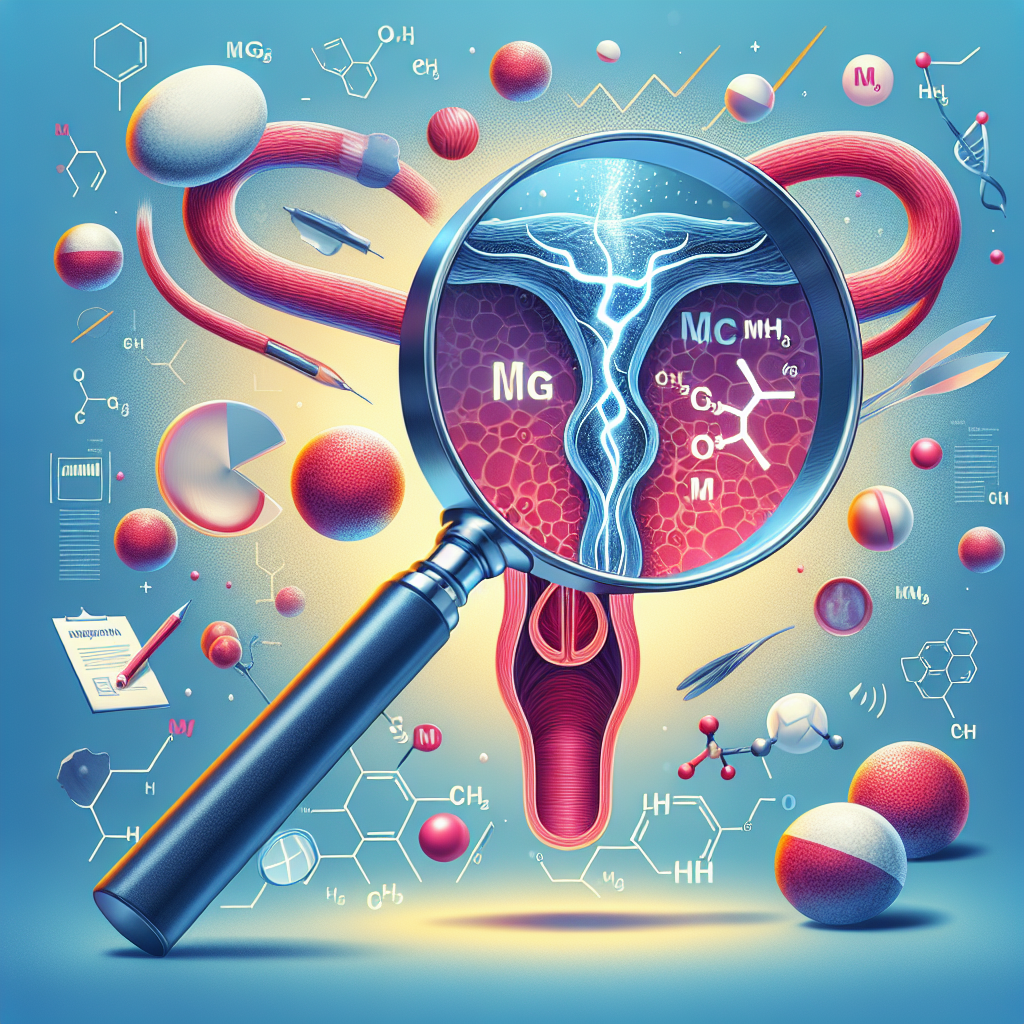
How does magnesium make its way into the cells that need it? The answer lies in magnesium transporter proteins—particularly TRPM6 and TRPM7.
These specialized proteins function as mineral gateways, enabling magnesium absorption into cells that line blood vessels, nerves, and smooth muscle—especially in the penis. If these transporters do not work properly, magnesium may remain in the bloodstream without entering the cells that drive erection-related processes.
A 2022 study in Cellular Physiology and Biochemistry found that dysfunction in TRPM7 channels was associated with reduced nitric oxide production and impaired endothelial function—both major contributors to erectile dysfunction.
For example, a man experiencing high stress levels and eating a magnesium-poor diet may technically have normal magnesium readings in blood tests. But inefficient transporter function and oxidative stress might block magnesium from reaching penile tissue, leading to weak erections despite sufficient overall levels.
For more information on treatment options that combine both medical and natural approaches, visit eDrugstore.com.
Magnesium Deficiency and Erectile Dysfunction: What the Research Shows
Large-scale studies are increasingly finding strong associations between low magnesium levels and higher rates of erectile dysfunction.
A 2018 study in Andrology revealed that men with metabolic syndrome were up to 2.5 times more likely to experience ED. These same men also commonly had subclinical magnesium deficiency—meaning their deficiency was present even if not severe enough to cause overt symptoms.
A lack of magnesium has also been linked to:
– Increased oxidative stress
– Chronic low-grade inflammation
– Stiffening of arteries
Each of these factors increases the risk of cardiovascular disease and flags erectile dysfunction as a potential early symptom.
“Magnesium deficiency is a hidden link in the chain between cardiovascular disease and ED,” says Dr. Carolyn Dean, author of The Magnesium Miracle. “Rather than jumping immediately to pharmaceutical options, men and their doctors should start by asking, ‘What’s missing nutritionally?’”
How to Optimize Magnesium for Healthy Sexual Function
Thankfully, there are easy, science-backed ways to ensure you’re getting enough magnesium to support sexual health and vascular function.
1. Eat Magnesium-Rich Foods:
Include foods like dark leafy greens (spinach, Swiss chard), nuts and seeds (pumpkin, almonds), whole grains, avocados, and legumes (black beans, chickpeas).
2. Choose High-Quality Supplements:
Use bioavailable forms such as magnesium glycinate or magnesium citrate. Avoid poorly absorbed forms such as magnesium oxide unless specifically recommended.
3. Manage Stress Levels:
High cortisol caused by chronic stress rapidly depletes magnesium. Integrate stress-reducing practices like meditation, yoga, or mindful breathing into your routine.
4. Review Medications That Affect Magnesium Absorption:
Drugs such as diuretics, birth control pills, and proton pump inhibitors can reduce magnesium levels. Consult your physician about alternatives if needed.
5. Test the Right Way:
Request a red blood cell (RBC) magnesium test rather than a standard serum test to get a more accurate picture of intracellular magnesium levels.
Conclusion: Magnesium May Be the Missing Link in Sexual Health
Magnesium does far more than support muscle relaxation or reduce anxiety—it serves as a cornerstone for healthy erection function. From improving vascular flow to enhancing nitric oxide production and cellular absorption, magnesium touches every step in the erection process.
Whether you’re managing existing symptoms of erectile dysfunction or seeking to boost performance naturally, optimizing magnesium intake offers a promising and scientifically supported starting point.
To explore resources that combine medical treatment with nutritional strategies, visit eDrugstore.com today. Talk to your physician about assessing your magnesium status and creating a plan for better sexual wellness.
References
– Dean, C. (2017). The Magnesium Miracle. Ballantine Books.
– Maier, J. A., Castiglioni, S., et al. (2022). TRPM6 and TRPM7 in human health and disease. Cellular Physiology and Biochemistry.
– Çanguven, O., et al. (2018). Prevalence of hypomagnesemia in patients with erectile dysfunction. Andrology, 6(3), 419-426.
– Rosanoff, A., et al. (2012). Subclinical magnesium deficiency: a principal driver of cardiovascular disease. Open Heart Journal.
– International Journal of Impotence Research (2021). Magnesium and NO synthesis in erectile function.
