
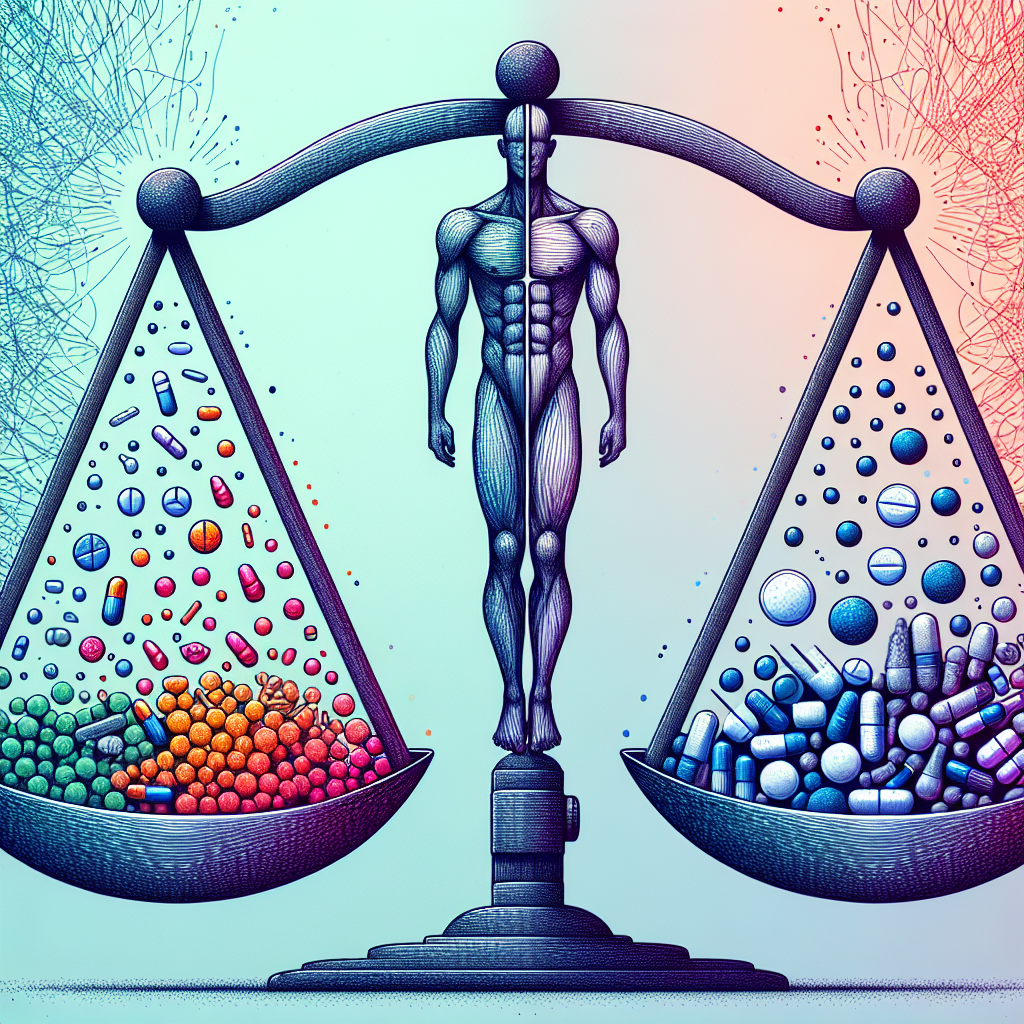
The Hidden Impact of Common Medications on Male Libido
Beyond SSRIs: Understanding Medication and Sexual Health in Men
When people think about drugs that impact male libido, SSRIs and sexual dysfunction often take center stage. However, many commonly prescribed medications can lower libido in men without being widely recognized for doing so. Being aware of these effects is crucial—not just for physical well-being but also for emotional health and personal relationships.
According to the Journal of Clinical Psychiatry, up to 50% of men on certain medications may experience some form of sexual dysfunction. “Medication-induced libido changes are underreported and often go unaddressed, leaving many men silently affected,” says Dr. Ian Kerner, certified sex therapist and author.
This guide explores several medications—not typically linked with sexual side effects—and how they may influence male libido.
What Influences Libido? A Quick Look at Hormones and Health
Libido, or sexual drive, is primarily driven by hormones like testosterone, dopamine, and serotonin. Medications that interfere with these hormones or their related neurotransmitters can lead to lowered sexual desire.
For example, testosterone plays a central role in male sexual function. Any drug that suppresses hormone production or alters brain chemistry can decrease libido. However, it’s not always the medication at fault. The condition being treated—such as depression, high blood pressure, or anxiety—can also affect sexual desire.
“It’s important to assess whether the medication or the underlying illness is causing reduced libido,” says Dr. Ridwan Shabsigh, a leading urologist.
Blood Pressure Medications: Taking a Toll on Desire
With over 45% of U.S. adults dealing with hypertension, it’s no surprise that many men take antihypertensive drugs. Unfortunately, certain medications—especially beta-blockers like atenolol and propranolol—have been associated with decreased libido and erectile dysfunction.
These drugs work by slowing sympathetic nervous system activity, which in turn can diminish arousal and energy. Diuretics, such as hydrochlorothiazide, also impair blood flow and decrease testosterone.
Take the case of Mark, a 52-year-old man using beta-blockers. He reported feeling emotionally flat and observed a gradual decline in sexual interest. After consulting his doctor, he switched to an ACE inhibitor and noticed improvement.
Newer medications like ACE inhibitors (e.g., lisinopril) and calcium channel blockers (e.g., amlodipine) often produce fewer sexual side effects, making them viable alternatives.
Source: Mayo Clinic – High Blood Pressure and Sexual Problems
Opioids: Relief from Pain, but Risk to Libido
Opioid medications—including morphine, hydrocodone, and oxycodone—are effective pain relievers. However, they can significantly disrupt hormone function by affecting the hypothalamic-pituitary-gonadal axis, which controls testosterone.
This disruption can lead to a condition known as opioid-induced androgen deficiency (OPIAD). According to the Journal of Pain Research, up to 80% of men on long-term opioid therapy may develop testosterone deficiency.
“Long-term opioid use is one of the most serious threats to hormonal balance in men,” says Dr. John Mulhall, a leading urologist at Memorial Sloan Kettering.
Men on chronic opioid therapy should regularly monitor their testosterone levels and discuss alternative treatments, including NSAIDs, non-opioid medications, or physical therapy.
Read more on managing opioid side effects at eDrugstore.com.
Allergy Medications: A Surprising Contributor to Libido Loss
It may come as a surprise, but common over-the-counter antihistamines like diphenhydramine (Benadryl), chlorpheniramine, and certain cold medications can subtly reduce libido due to their anticholinergic properties. These compounds interfere with neurotransmitters that play a role in arousal.
Pseudoephedrine, a popular decongestant found in products like Sudafed, is a vasoconstrictor that can reduce blood flow—potentially leading to temporary erectile issues.
Consider Jake, 29, who regularly used a nighttime allergy medicine containing diphenhydramine. He noticed a drop in sexual desire and disrupted sleep. Switching to a non-sedating antihistamine and improving sleep habits helped restore both.
Opt for nasal sprays or daytime non-drowsy formulas when possible.
Source: International Journal of Clinical Pharmacy – Pharmacological Impact on Male Libido
Hair Loss Treatments: Aesthetic Benefits at a Hormonal Price
Medications like finasteride (Propecia) and dutasteride are widely used to combat hair loss or treat enlarged prostate. Yet, they function by suppressing dihydrotestosterone (DHT), a hormone critical to male libido.
Some users report experiencing Post-Finasteride Syndrome (PFS), which includes lingering sexual and mental health issues even after discontinuing the drug. While still debated among experts, research published in the Journal of Sexual Medicine suggests up to 20% of men may face these problems post-treatment.
If libido decreases while using a 5-alpha-reductase inhibitor, speak with your healthcare provider about alternatives like topical solutions or different medications for prostate conditions.
“Men should weigh aesthetic or therapeutic goals against the possibility of enduring sexual side effects,” advises Dr. Michael Irwig, an endocrinologist who specializes in male hormone health.
Benzodiazepines: Anxiety Reduction, Desire Reduction
Drugs commonly prescribed for anxiety or sleep disorders—such as alprazolam (Xanax), diazepam (Valium), and lorazepam (Ativan)—can dull emotions and decrease libido over time.
Although they effectively reduce anxiety, their sedative properties may lead to emotional blunting, impacting sexual drive and enjoyment.
“Overuse of benzodiazepines can reduce emotional connection and physical pleasure,” explains Dr. Jennifer Berman, a sexual health expert.
Alternatives like buspirone, cognitive behavioral therapy, or SSRI medications with fewer sexual side effects may be good options.
Suspect your medication might be to blame? Discuss switching or supplementing treatment with non-prescription techniques.
Corticosteroids: Swings in Mood and Hormones
Medications like prednisone are commonly prescribed to manage inflammation and autoimmune conditions. In the short term, they may boost energy and even libido. However, chronic use often leads to testosterone suppression and increased cortisol levels—both of which negatively affect desire.
Dan, 37, who was prescribed prednisone for arthritis, experienced increased irritability and a drop in libido. Lab testing revealed borderline testosterone levels, prompting a change in dosage and implementation of hormone-supportive therapy.
Long-term users should have their hormone levels regularly evaluated to maintain overall wellness.
Sources:
– Hormone Health Network – Corticosteroid Effects on Hormones
– eDrugstore.com – Managing Hormonal Imbalances and Libido
What to Do If Your Medication Impacts Your Libido
Talking about sexual health can feel uncomfortable, but staying silent only prolongs the problem. Open communication with your doctor is the first step toward regaining vitality.
If you believe a medication is lowering your libido, consider asking your healthcare provider about:
– Switching to a drug with fewer sexual side effects
– Adjusting your current dosage
– Ordering laboratory tests for hormones like testosterone
– Exploring lifestyle changes: regular exercise, quality sleep, stress management, or therapy
For more information on safe treatments for erectile dysfunction, visit eDrugstore.com.
Conclusion: Awareness Is the First Step Toward Wellness
Sexual health is an essential part of men’s overall well-being, influencing everything from mental outlook to relationship satisfaction. While SSRIs are frequently associated with sexual side effects, they are far from the only culprits.
Numerous medications—including blood pressure drugs, opioids, allergy meds, hair loss prescriptions, and anti-anxiety drugs—can impair male libido. But with the right information and medical guidance, these effects can often be mitigated.
Remember, your sex drive isn’t just about intimacy—it’s a reflection of your health, energy, and connection to life. Be proactive. Stay informed. And don’t hesitate to seek help when something feels off.
References
1. Journal of Clinical Psychiatry. “The Prevalence of Sexual Dysfunction with Antihypertensives and Opioids.” 2019.
2. Journal of Sexual Medicine. “Post-Finasteride Syndrome: A Review.” February 2020.
3. Mayo Clinic. “High Blood Pressure and Sexual Problems in Men.”
4. Hormone Health Network. “Understanding Corticosteroids and Hormone Imbalance.”
5. Journal of Pain Research. “Hormonal Impact of Opioids on Libido.” 2021.
6. International Journal of Clinical Pharmacy. “Pharmacological Impact on Male Libido.” 2023.
