
Meta title. Internal vs External Stimulation Divide, Why External Triggers Stop Working
Meta description. Learn why external sexual triggers may stop working, how arousal changes over time, and what medical, mental health, lifestyle, and telemedicine options can help.
Why External Triggers Can Stop Working
If the same images, touch, fantasies, videos, toys, or situations used to create arousal quickly but now feel less effective, it can be confusing and frustrating. Many people describe this as feeling disconnected from their body, needing more intense stimulation, or not responding the way they used to.
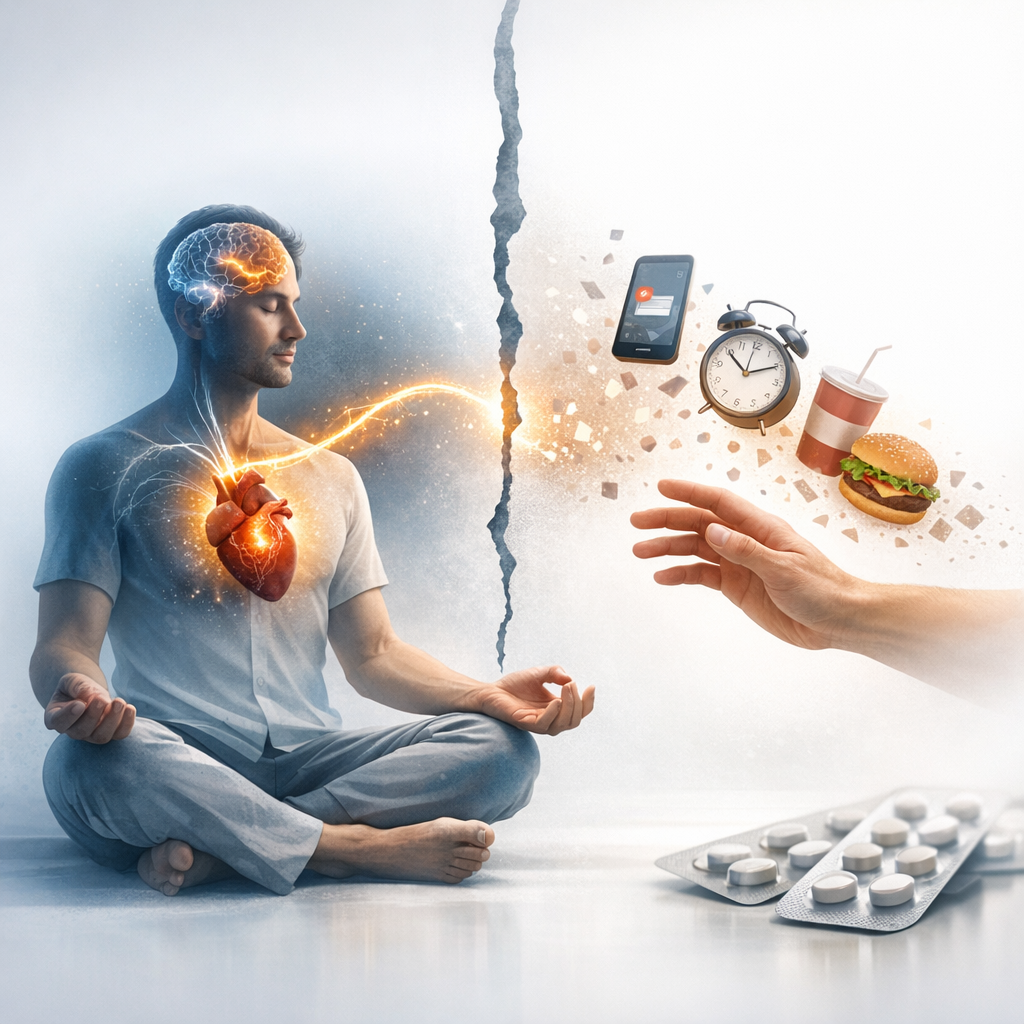
This is sometimes called the internal vs external stimulation divide. External stimulation means arousal is driven mostly by outside triggers, such as visual content, novelty, direct touch, a vibrator, or a partner’s actions. Internal stimulation means arousal is supported by body awareness, emotional connection, desire, fantasy, safety, relaxation, and physical response.
External triggers are not bad. They can be healthy parts of sexual expression. The problem happens when the body or brain starts relying on stronger and stronger outside cues while internal arousal signals become harder to notice. This article explains why external triggers stop working, what medical and psychological factors may be involved, and what can help.
Understanding Internal vs External Stimulation
Sexual arousal is not controlled by one switch. It involves the brain, nerves, blood vessels, hormones, mood, relationship context, and the genitals. The nervous system must shift into a state where the body feels safe enough to respond.
External stimulation may include.
- Visual sexual content
- Erotic audio, texting, or fantasy prompts
- Touch from a partner
- Sex toys or vibrators
- Novel sexual situations
- Specific positions or routines
Internal stimulation may include.
- Physical body awareness
- Emotional connection
- Relaxation and trust
- Desire, curiosity, and anticipation
- Mindful attention to sensation
- Confidence and low performance pressure
In a healthy sexual response, external and internal stimulation often work together. But when stress, anxiety, medications, hormone changes, relationship strain, or repetitive high intensity stimulation are present, the balance can shift. A person may need more external intensity to get the same response.
Habituation, Why the Brain Responds Less Over Time
One major reason external triggers stop working is habituation. Habituation is the brain’s normal tendency to respond less to a repeated stimulus. If something is new, intense, or exciting at first, it may have a stronger effect. Over time, the brain may treat it as familiar and less rewarding.
This process involves dopamine, a brain chemical linked to motivation, reward, and learning. Dopamine helps the brain pay attention to novelty and potential rewards. When a person repeatedly uses the same type of stimulation, especially high intensity stimulation, the reward system may become less sensitive to that pattern. This does not mean the brain is damaged. It means the nervous system is adapting.
Research shows that sexual response is influenced by both excitatory and inhibitory systems in the brain. In simple terms, the brain has an accelerator and brakes. Desire and arousal increase when the accelerator is active and the brakes are low. Stress, fear, shame, pain, fatigue, depression, and pressure can press the brakes, even when external stimulation is present. Reference 1.
Common Signs That External Triggers Are Losing Effect
The internal vs external stimulation divide can look different for each person. Some people notice changes during solo sex. Others notice changes with a partner.
Common signs include.
- Needing more intense or specific stimulation than before
- Feeling mentally interested but physically unresponsive
- Trouble getting or keeping an erection
- Delayed orgasm or difficulty reaching orgasm
- Reduced genital sensitivity
- Feeling disconnected during sex
- Lower desire for partnered sex
- Relying on novelty to become aroused
- Feeling anxious about performance
Occasional changes are normal. Sexual response varies with sleep, stress, health, alcohol use, relationship quality, and life stage. A concern becomes more important when symptoms continue, cause distress, or interfere with intimacy.
Medical Reasons External Stimulation May Not Be Enough
Sometimes external triggers stop working because the body is dealing with a medical issue. Sexual function depends on healthy blood flow, nerve signaling, hormone balance, and mental health.
Possible medical causes include.
- Erectile dysfunction. ED affects about 30 million men in the United States. It is often linked to blood vessel health, diabetes, high blood pressure, low testosterone, medication side effects, anxiety, or relationship stress. Reference 2.
- Vaginal dryness or pain. Low estrogen after menopause, breastfeeding, some medications, and certain medical conditions can cause dryness, discomfort, and reduced arousal response. Reference 3.
- Depression and anxiety. Mental health conditions can lower desire, reduce pleasure, and increase performance pressure.
- Medication side effects. Selective serotonin reuptake inhibitors, blood pressure medicines, opioids, and some hormonal medications may affect libido, erection, lubrication, or orgasm.
- Diabetes and nerve changes. Diabetes can affect blood vessels and nerves, which may contribute to ED, reduced sensation, or arousal difficulties. Reference 4.
- Hormone changes. Low testosterone, thyroid disorders, perimenopause, menopause, and postpartum hormone shifts may affect desire and sexual response.
Sexual dysfunction is common across genders. Large population studies have found that sexual concerns are reported by many adults, including problems with desire, arousal, orgasm, pain, and performance. Reference 5.
The Role of Stress, Anxiety, and Performance Pressure
External stimulation often works best when the body is relaxed and receptive. Chronic stress can change that. When the brain senses pressure or danger, the sympathetic nervous system becomes more active. This is the fight or flight response.
Fight or flight is helpful in emergencies, but it can work against sexual arousal. Blood flow may be directed away from the genitals. Breathing becomes shallow. Muscles tense. The mind starts monitoring performance instead of noticing pleasure.
This can create a loop.
- Arousal is slower than expected
- The person worries something is wrong
- Anxiety increases
- The body becomes less responsive
- More intense external stimulation is used
- The person feels even more pressure next time
Breaking this loop often requires shifting attention from performance to sensation, safety, and curiosity.
Porn, Novelty, and High Intensity Stimulation
Many people wonder if pornography or frequent high intensity stimulation can make real life arousal more difficult. The research is still evolving, and experts do not agree on one simple answer. For some people, pornography use has little negative effect. For others, especially when use becomes compulsive or tied to stress relief, it may contribute to reduced desire, delayed orgasm, or difficulty becoming aroused with a partner.
Clinical reports suggest that high novelty sexual content can train the brain to expect constant variety and strong visual stimulation. In partnered sex, arousal may feel slower because the experience is more emotional, sensory, and relational. This does not mean a person is broken. It may mean the arousal system has become conditioned to a narrow pattern.
Similarly, very intense vibrator use or very firm masturbation technique may make lighter touch feel less stimulating for some people. This effect is often temporary and may improve with changes in stimulation style, more varied touch, and mindful attention to sensation.
When Internal Arousal Signals Get Quiet
Internal arousal depends on the ability to notice subtle body cues. These may include warmth, tingling, muscle relaxation, emotional closeness, curiosity, or pleasure that builds slowly.
Modern life can make these signals harder to hear. Many people spend most of the day under stress, distracted by screens, rushing through tasks, or disconnected from physical sensations. If sex becomes another task to perform, internal desire may fade.
This is especially common in people who have.
- High stress jobs
- Body image concerns
- Relationship conflict
- History of sexual trauma
- Religious or cultural shame around sex
- Chronic pain or fatigue
- Postpartum or menopause related changes
In these cases, stronger external triggers may not solve the problem because the issue is not lack of stimulation. It may be lack of safety, comfort, time, or body connection.
Treatment Options and Practical Solutions
Treatment depends on the cause. The best approach often combines medical evaluation, lifestyle changes, communication, and sexual skills that rebuild internal arousal.
Helpful options may include.
- Medical evaluation. A licensed healthcare provider can review symptoms, medications, hormone concerns, cardiovascular risk, diabetes risk, and mental health factors.
- Medication review. Do not stop prescribed medication on your own. If sexual side effects are suspected, a clinician may adjust the dose, change timing, or consider alternatives.
- ED medications. Phosphodiesterase type 5 inhibitors, such as sildenafil or tadalafil, can help many men with ED by improving blood flow. They can cause side effects such as headache, flushing, nasal congestion, dizziness, or indigestion. They are not safe with nitrates and need medical screening. Reference 6.
- Hormone treatment when appropriate. Testosterone therapy may help some men with confirmed low testosterone and symptoms. It is not recommended without lab testing and medical supervision. Menopause related vaginal symptoms may improve with vaginal estrogen or other FDA approved options when appropriate. Reference 7.
- Lubricants and moisturizers. These can reduce friction and discomfort, especially with dryness or pain.
- Pelvic floor physical therapy. Pelvic floor muscle tension, weakness, or pain can affect arousal, erection, orgasm, and comfort.
- Sex therapy or counseling. Therapy can help with anxiety, desire differences, compulsive sexual behavior, trauma history, and communication.
- Mindfulness and sensate focus. These exercises help people shift from goal focused sex to sensation focused connection. Studies suggest mindfulness based approaches can improve desire, arousal, and sexual distress in some patients. Reference 8.
- Reduce intensity and increase variety. Taking breaks from very intense stimulation, changing masturbation technique, using lower vibrator settings, or focusing on slower touch may help rebuild sensitivity.
- Telemedicine care. For concerns such as ED, low libido, menopause symptoms, medication side effects, or hormone questions, telehealth can provide private access to licensed clinicians, lab testing when needed, and evidence based treatment plans.
Healthy lifestyle habits also matter. Regular exercise, sleep, limiting alcohol, not smoking, and managing blood pressure and blood sugar support sexual function. The CDC notes that smoking damages blood vessels and is a major risk factor for cardiovascular disease, which is closely connected to sexual blood flow. Reference 9.
When to Speak With a Healthcare Provider
It is time to get medical advice if sexual changes are persistent, distressing, sudden, painful, or linked with other symptoms.
Seek care if you notice.
- New or worsening erectile dysfunction
- Loss of morning erections
- Pain with sex
- Bleeding after sex
- Loss of genital sensation
- Very low desire that feels unusual for you
- Symptoms of depression or anxiety
- Hot flashes, vaginal dryness, or menopause symptoms
- Concern about compulsive porn use or sexual behavior
Sudden ED can sometimes be an early sign of cardiovascular disease because penile blood vessels are small and may show blood flow problems earlier than other parts of the body. Reference 2.
FAQ
Why do external triggers stop working sexually.
External triggers may stop working because of habituation, stress, anxiety, medication side effects, hormone changes, relationship issues, pain, or medical conditions that affect blood flow and nerves. Often, more than one factor is involved.
Does needing stronger stimulation mean something is wrong with me.
Not necessarily. Sexual response changes over time. However, if you need much stronger stimulation than before or feel distressed by the change, it may be helpful to look at stress, technique, health, medications, and emotional connection.
Can porn make it harder to get aroused with a partner.
For some people, frequent high novelty porn use may condition arousal toward very specific visual or novelty based cues. Evidence is mixed, and porn does not affect everyone the same way. If it seems connected to ED, delayed orgasm, or low desire, reducing use and speaking with a clinician or sex therapist may help.
Can vibrator use reduce sensitivity.
Some people report temporary reduced sensitivity after intense vibrator use. This often improves by lowering intensity, varying stimulation, taking breaks, and focusing on slower body based sensation. Persistent numbness or pain should be evaluated.
What is the best treatment for low arousal.
The best treatment depends on the cause. Options may include medical evaluation, medication changes, hormone treatment when appropriate, lubricants, ED medication, pelvic floor therapy, sex therapy, mindfulness exercises, and lifestyle changes.
Can telemedicine help with sexual health concerns.
Yes. Telemedicine can be a private and convenient way to discuss ED, low libido, menopause symptoms, medication side effects, hormone testing, and sexual wellness concerns with a licensed healthcare provider.
Conclusion
The internal vs external stimulation divide is a real and common experience. External triggers stop working when the brain and body adapt, stress increases, health changes occur, or arousal becomes too dependent on intensity and novelty.
The solution is not always more stimulation. Often, improvement comes from understanding the cause, rebuilding body awareness, reducing pressure, addressing medical factors, and getting the right support.
If changes in arousal, erection, lubrication, orgasm, or desire are causing distress, consider speaking with a licensed healthcare provider. Sexual health is part of overall health, and effective, evidence based help is available.
References
1. PubMed. Dual control model of sexual response and research on sexual excitation and inhibition. www.pubmed.ncbi.nlm.nih.gov
2. NIH, National Institute of Diabetes and Digestive and Kidney Diseases. Erectile dysfunction. www.niddk.nih.gov
3. Mayo Clinic. Vaginal atrophy and genitourinary syndrome of menopause. www.mayoclinic.org
4. Cleveland Clinic. Diabetes and sexual health. www.clevelandclinic.org
5. PubMed. Sexual dysfunction in the United States, prevalence and predictors. www.pubmed.ncbi.nlm.nih.gov
6. FDA. Information about erectile dysfunction medicines and safety warnings. www.fda.gov
7. Harvard Health. Testosterone therapy and sexual health. www.health.harvard.edu
8. PubMed. Mindfulness based interventions for sexual dysfunction and sexual distress. www.pubmed.ncbi.nlm.nih.gov
9. CDC. Smoking and cardiovascular disease. www.cdc.gov
