
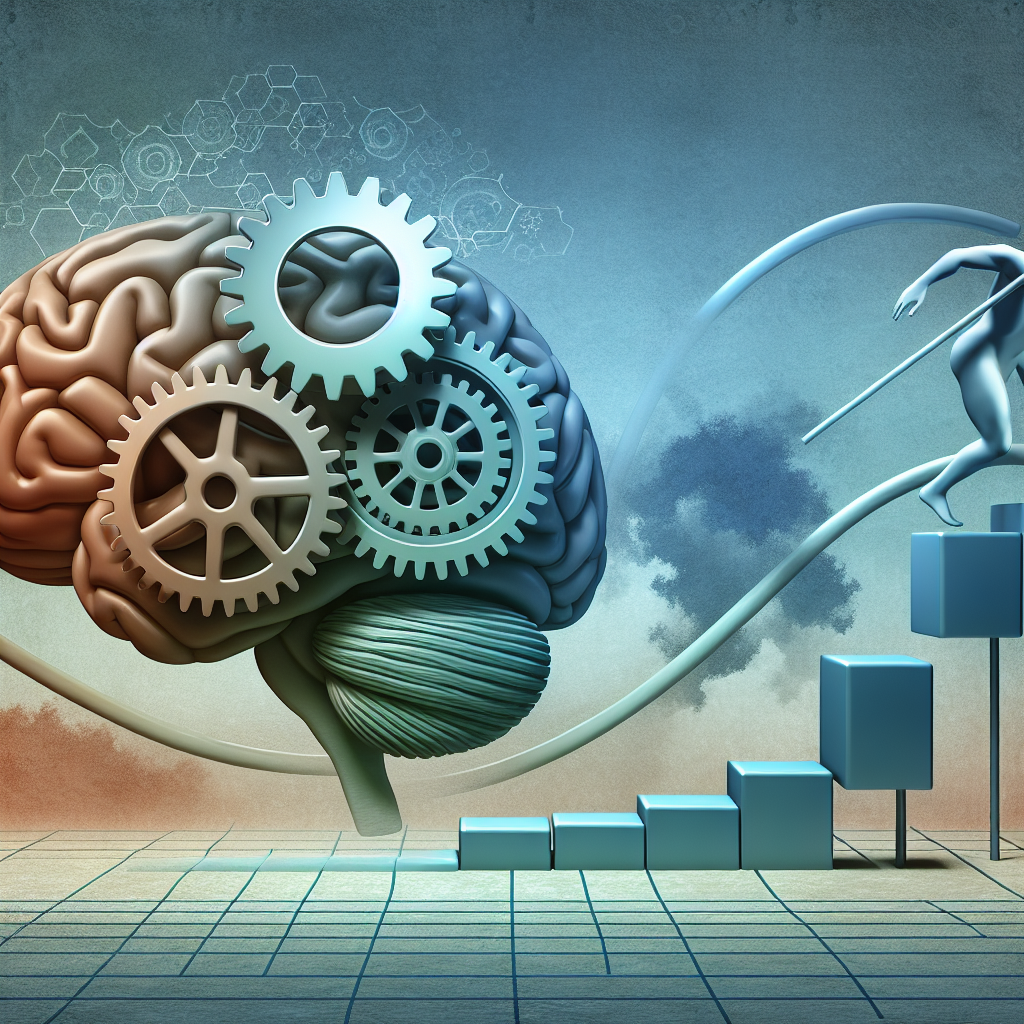
How Past Failures Shape Present Performance
We’ve all faced moments where things didn’t go as planned—whether it was faltering during a crucial presentation, failing a significant exam, or missing a critical deadline. These setbacks are more than temporary disappointments; they become emotionally charged memories that can continue to impact how we think, act, and perform over time. This brings us to the concept of the memory-arousal connection—a psychological link between emotional memories and future performance.
Dr. Brene Brown, a research professor and author, reminds us, “Failure is simply the opportunity to begin again with more information.” In other words, the way we interpret and store our failures can shape future behavior—positively or negatively.
Welcome to the science behind memory and performance—where understanding emotional triggers can unlock your potential, or keep you stuck, depending on how you respond.
The Brain’s Response to Emotional Experiences
Emotionally intense moments—like failure—are processed by the brain as high-priority experiences. This is because these moments cause physiological responses like a racing heartbeat, focused attention, and pupil dilation, all signs of emotional arousal. Behind the scenes, the brain’s emotion center—the amygdala—is activated during these events.
When activated, the amygdala tags the experience as significant, increasing the chances that it becomes a vivid, long-lasting memory. A study published in Nature Reviews Neuroscience notes, “Emotionally arousing experiences are remembered more vividly and for longer periods than neutral events.”
From an evolutionary perspective, this made sense. Remembering where danger occurred—such as near a certain riverbank—could be the key to survival. Today, those “dangers” are more modern: failed interviews, public embarrassment, or awkward first impressions.
For example, if you once forgot your lines during a speech and felt humiliated, your brain etched that moment deeply into memory. Years later, stepping in front of a crowd may cause the same fear response—your mind reacting as though it’s facing the same threat.
The Lasting Emotional Impact of Failure
Intense failures may not leave physical scars, but their emotional imprints linger. Often, your body starts reacting to stressful memories before your conscious mind even catches up. These stored emotional memories resurface automatically in similar scenarios—like job interviews, social gatherings, or test situations—triggering anxiety, shame, or self-doubt.
Research from the American Psychological Association shows that over 60% of people believe past failures play a role in their current stress and anxiety responses.
Take someone who once failed a college interview—they may avoid future interviews altogether or wrestle with sleepless nights before job applications, even when they’re fully qualified. This emotional carryover can become a serious obstacle unless it’s actively addressed.
Understanding the Emotional Feedback Loop
A powerful concept within the memory-arousal link is the emotional feedback loop. It operates like this:
1. A past failure is remembered.
2. This memory triggers emotional distress, like anxiety.
3. The anxiety harms current performance.
4. A poor outcome then reinforces the original fear and memory.
When this cycle goes unchecked, it becomes a mental habit. The brain, trying to protect you, interprets emotional discomfort as a signal to avoid the situation entirely.
As neuroscientist Dr. Judson Brewer explains, “When left unchecked, our brains conflate discomfort with danger. But the two are not the same. Fear doesn’t mean a real threat—it means the mind is reacting to historical experiences.”
Without intervention, this feedback loop can lead to chronic self-doubt and avoidant behavior. Over time, people may even sideline valuable opportunities simply to stay comfortable.
How to Transform Emotional Memory Into a Weapon for Growth
The same mechanisms that hinder performance can be rewired for success. With the right tools and perspective, you can train your brain to respond differently in performance situations. Here are four research-backed strategies for overcoming emotional memory patterns.
1. Reframe Emotional Reactions
Right before high-pressure tasks, try saying, “I’m excited,” instead of “I’m nervous.” This subtle shift changes how your body interprets your physical symptoms. A study from Harvard found that people who made this reframe performed better during stressful activities like public speaking or math tests.
Rather than seeing your racing heart as a fear response, retrain your mind to view it as your body getting ready to focus and perform.
2. Engage in Reflective Journaling
Writing about past failures helps organize your thoughts and boosts awareness. Journaling activates executive brain functions that improve planning and emotional regulation.
Start with prompts like:
– What did I learn?
– How have I grown since then?
– What did I do well, even if I didn’t succeed?
This introspection creates clarity and rewrites negative experiences into lessons and growth.
3. Build New Positive Associations
To dissolve fear around previously stressful experiences, expose yourself to similar situations in low-pressure environments. For instance, if you fear public speaking due to a past mistake, try joining a supportive group like Toastmasters.
Success in small, controlled settings rewires the brain’s emotional response, reducing fear during future high-stakes moments.
4. Use Visualization Techniques
Mentally rehearse your next challenging event by envisioning yourself succeeding. Picture the details—calmly delivering a speech, acing a performance, staying composed in front of others. Pair this practice with deep breathing for greater effect.
This method is widely used by professional athletes because it primes the brain for success and builds confidence ahead of time.
Let Your Memory Be Your Coach
Stop viewing your memory as a burden. Start seeing it as an internal coach—constantly providing feedback and giving you direction. Just as athletes study their past games to improve, you can revisit emotional moments to develop resilience and improve decision-making.
Angela Duckworth, author of Grit, puts it perfectly: “Failure is data. What did I do wrong? How can I do better? That’s how people who succeed consistently view it.”
Success doesn’t depend on avoiding failure. It depends on what you do with the memory of it.
From Emotional Trigger to Empowering Transformation
The emotional memory of past failures doesn’t need to control your future. While the memory-arousal connection is deeply embedded in human biology, it is also completely trainable.
By intentionally using tools like reframing emotions, journaling, creating positive associations, and using visualization practices, you can dismantle old patterns and replace them with empowering habits.
So the next time stress creeps in from a past mistake, take it as a sign—not to retreat, but to lean in and grow. Your body isn’t urging you to run away—it’s telling you to prepare.
Embrace that shift—and you’re already transforming your past into a foundation for your future success.
Want to Learn More?
Explore how emotional memory impacts performance and discover effective strategies for building emotional resilience at eDrugstore.com.
References
1. LaBar, K. S., & Cabeza, R. (2006). “Cognitive neuroscience of emotional memory.” Nature Reviews Neuroscience.
2. American Psychological Association (2022). “Stress in America: The State of Our Nation.”
3. Brewer, J. (2021). Unwinding Anxiety. Avery Publishing.
4. Brooks, A. W. (2014). “Get Excited: Reappraising Pre-Performance Anxiety as Excitement,” Journal of Experimental Psychology.
5. Duckworth, A. (2016). Grit: The Power of Passion and Perseverance. Scribner.
Relevant Long-Tail Keywords
– emotional memory and performance
– memory-arousal connection
– how failure affects future behavior
– coping with performance anxiety
– emotion-regulation strategies
– how to reframe failure experiences
