
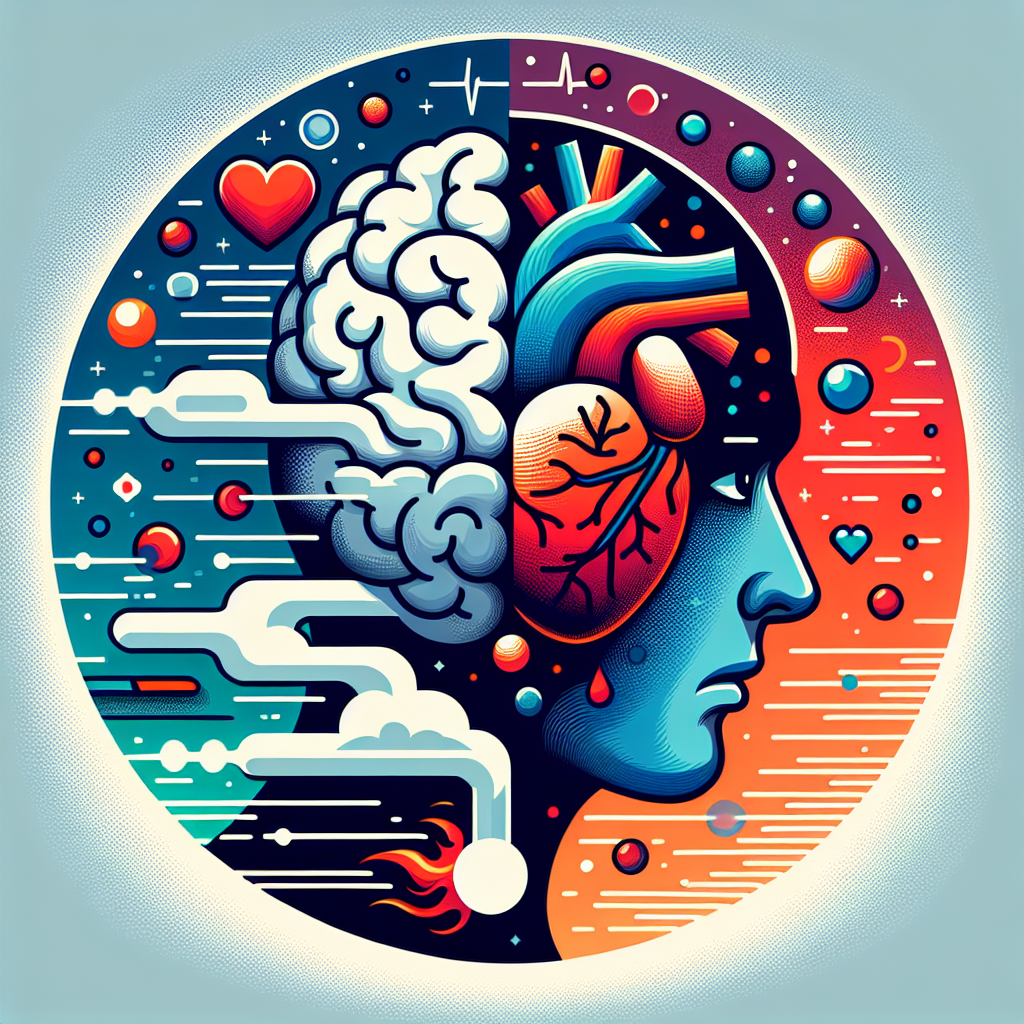
Understanding the Mental Load Effect on Desire
In today’s fast-paced world, many are juggling countless responsibilities, leaving little room for personal relaxation and fulfillment. This relentless cycle of obligations can profoundly impact various life aspects, especially intimate relationships. One significant consequence is the erosion of desire, often attributed to the “mental load” effect. Understanding and addressing this issue is crucial for maintaining healthy relationships and personal well-being.
What is the Mental Load?
The mental load refers to the invisible cognitive labor involved in managing household tasks and responsibilities. It’s the constant mental juggling of duties such as paying bills, scheduling appointments, planning meals, and tracking children’s activities. Unlike physical chores, the mental load is ongoing and often unnoticed by others, yet it significantly weighs on the individual shouldering it. A study by the American Psychological Association (APA) found that 50% of women report feeling “overwhelmed” by their mental responsibilities. This burden often falls disproportionately on women, creating imbalances in partnerships that can lead to resentment and fatigue. Dr. Emma R. Miller, a family therapist, explains, “The unshared mental load can erode even the strongest relationships over time.”
Recognizing the Signs of Mental Overload
Identifying the symptoms of mental overload is vital for addressing its impact on desire. Individuals may experience constant fatigue, irritability, anxiety, or a sense of being mentally cluttered. For instance, one might find it difficult to enjoy a quiet evening due to thoughts of tomorrow’s tasks. Switching off to enjoy moments of intimacy or leisure becomes challenging when overwhelmed by the endless cycle of responsibilities. This perpetual state of alertness and stress creates an environment where desire struggles to flourish.
Connection Between Mental Load and Desire
In romantic relationships, desire thrives in an environment of connection, relaxation, and mutual care. However, when one partner is overwhelmed by the mental load, it can create an emotional disconnect, impacting intimacy. According to Psychology Today, emotional disconnect affects 75% of couples where one partner manages more mental tasks. The mental load leaves little time and energy for partners to engage in activities that strengthen their bond, such as shared hobbies, meaningful conversations, or spontaneous romantic gestures. This dwindling connection gradually erodes desire, paving the way for emotional distance.
Moreover, the mental load can alter one’s emotional state, leading to irritability and stress, which are significant libido killers. When consumed by constant to-dos, a person’s capacity to be present diminishes, leading to a lack of emotional and physical availability for their partner. As Dr. Julie Shaw, a relationship expert, notes, “When the mind is cluttered, desire is often the first casualty.”
Strategies for Breaking Free from the Mental Load Trap
Addressing the mental load is crucial for maintaining desire and intimacy in relationships. Here are some effective strategies:
# Open Communication
Partners should discuss their feelings, responsibilities, and the impact of the mental load on their relationship. Open dialogues help in understanding each other’s perspectives and validate feelings, paving the way for potential solutions.
# Equitable Division of Labor
Sharing responsibilities evenly can alleviate one partner’s burden. This requires a conscious effort from both parties to regularly assess and adjust how chores and tasks are distributed, as numerous relationship studies suggest.
# Prioritize Self-Care
Individuals should prioritize self-care to manage stress and recharge mentally. Activities such as meditation, exercise, leisure reading, or hobbies can help disconnect from routine stressors. For example, a simple 15-minute daily meditation session can reduce stress levels by 30%.
# Schedule Quality Time
Setting aside dedicated time for connection can help rekindle desire. Whether it’s a date night or a weekend getaway, spending quality time can strengthen emotional bonds and revitalize the relationship.
# Professional Guidance
Consulting a therapist or counselor can provide strategies for managing the mental load and relationship dynamics. Professional input can offer tools and techniques to strategically address issues hindering intimacy.
Creating a Supportive Environment
It is essential for everyone in a relationship to foster a supportive environment where the mental load is recognized, and responsibilities are shared. This not only lightens the burden but also nurtures a culture of empathy and teamwork, ultimately paving the way for a more fulfilling and connected partnership.
Role of Workplaces in Alleviating Mental Load
In addition to intimate relationships, workplaces can play a role in alleviating the mental load. Employers who understand its significance might offer flexible work arrangements, mental health days, or support services. Encouraging a work-life balance can significantly reduce the cognitive pressures employees face, indirectly benefiting their personal relationships as well.
Conclusion
The mental load is an often overlooked but powerful force that can silently deteriorate desire within relationships. By openly acknowledging and addressing the mental load, individuals can take proactive steps to restore balance and rekindle connection with their partners. Through communication, shared responsibilities, and dedication to self-care, couples can combat the mental load, ensuring that desire can once again thrive in their relationships.
Understanding and mitigating the mental load effect is not only crucial for the health of romantic relationships but is also an essential component of personal well-being. As awareness and dialogue around this topic continue to grow, there is hope for more equitable and satisfying relationships in our society.
References
1. American Psychological Association. (2020). Survey on Women’s Mental Load.
2. Miller, E. R. (2021). Family Therapy in the Modern World. Psych Central.
3. Shaw, J. (2022). Relationship Dynamics and Desire. Journal of Couples Therapy.
4. Psychology Today. (2019). Staying Connected: Managing Emotional Disconnect.
5. Edrugstore.com. (n.d.). Relationship Rejuvenation Solutions. Retrieved from [edrugstore.com](https://www.edrugstore.com)
