
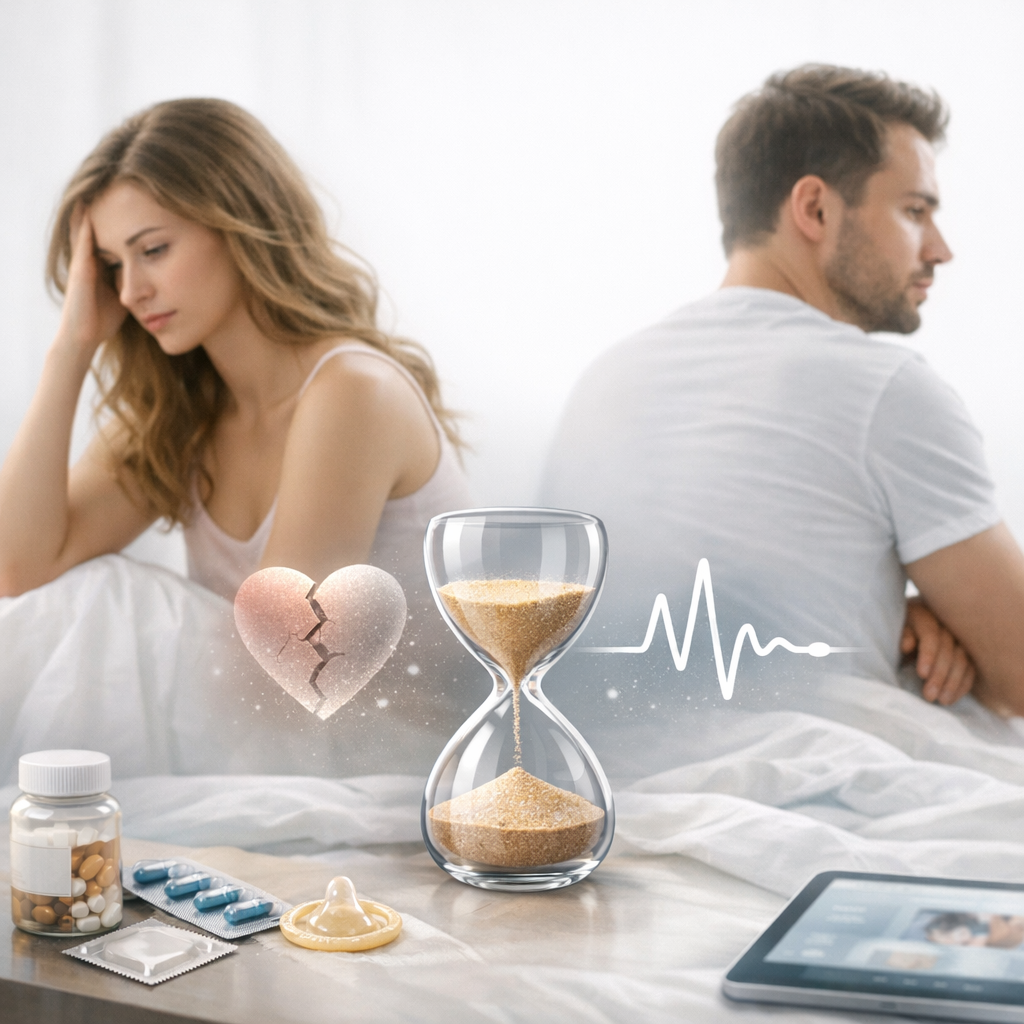
Meta title, The Overexposure Problem, Too Much Time Together and Less Excitement
Meta description, Too much time together can reduce novelty, desire, and emotional energy in relationships. Learn why the overexposure problem happens, how it affects intimacy, and evidence based ways to rebuild connection.
Introduction
Spending a lot of time with someone you love can feel comforting. But for many couples, too much togetherness can slowly lead to less excitement, less sexual desire, and more irritation. This is often called the overexposure problem.
The overexposure problem happens when partners spend so much time together that the relationship starts to feel predictable, routine, or emotionally crowded. Instead of missing each other, partners may feel drained by each other. Instead of looking forward to intimacy, they may feel neutral, distracted, or even avoidant.
This does not mean the relationship is broken. It also does not mean love is gone. In many cases, it means the relationship needs more balance between closeness and individuality. Research in relationship science shows that novelty, personal identity, emotional safety, and physical health can all affect desire and attraction. Reference 1.
This article explains why too much time together can reduce excitement, what signs to watch for, how it can affect sexual wellness, and what evidence based steps can help couples reconnect.
What Is The Overexposure Problem
The overexposure problem describes a common relationship pattern where constant time together reduces mystery, anticipation, and personal space. Over time, partners may stop seeing each other as exciting individuals and begin seeing each other only through daily routines, chores, stress, and responsibilities.
This can happen to any couple, but it is especially common when partners share a home, work remotely, raise children, manage financial stress, or have few outside hobbies and friendships.
Healthy relationships need both connection and separateness. Closeness helps build trust. Space helps maintain desire, curiosity, and a sense of self. When one side becomes too dominant, intimacy can feel out of balance.
Why Too Much Time Together Can Lower Excitement
Human brains respond strongly to novelty. New experiences can activate reward pathways in the brain, including dopamine related systems that influence motivation, pleasure, and desire. Reference 2.
Early in a relationship, many things feel new. Conversations, touch, dates, and sexual experiences may feel exciting because the brain is learning and anticipating. As time passes, familiarity grows. This is normal and often healthy. But when familiarity becomes constant exposure without novelty, excitement can fade.
Several factors can contribute to this shift.
-
Predictability, when every day feels the same.
-
Loss of anticipation, when partners are always available.
-
Emotional crowding, when personal space feels limited.
-
Stress spillover, when work, parenting, or money issues dominate the relationship.
-
Reduced self care, when partners stop investing in hobbies, health, appearance, or friendships.
-
Unresolved conflict, when small irritations build because there is no space to reset.
The overexposure problem is not always about the number of hours spent together. It is often about the quality of that time. Sitting in the same room while stressed, distracted, or resentful is very different from having meaningful connection.
Common Signs Of The Overexposure Problem
The signs can be emotional, physical, sexual, or behavioral. Some couples notice a gradual decline, while others notice the issue after a major life change like moving in together, having a baby, changing jobs, or working from home.
Common signs include.
-
You rarely miss each other.
-
You feel annoyed by small habits that did not bother you before.
-
Conversations feel practical rather than playful.
-
Sex feels like another task instead of something enjoyable.
-
You avoid physical affection because it feels like pressure.
-
You feel guilty for wanting alone time.
-
You spend time together but feel emotionally disconnected.
-
You feel more like roommates or coworkers than romantic partners.
These symptoms can overlap with stress, anxiety, depression, low libido, erectile dysfunction, vaginal dryness, hormonal changes, sleep problems, and medication side effects. That is why it is important not to assume the issue is only emotional. Medical and mental health factors can play a major role in sexual desire and relationship satisfaction. Reference 3.
How Overexposure Affects Sexual Desire
Sexual desire is influenced by the brain, hormones, blood flow, relationship quality, stress, sleep, body image, and emotional safety. The Mayo Clinic notes that low sexual desire can be linked to relationship issues, medical conditions, fatigue, medications, and life stress. Reference 4.
When partners are overexposed to each other, sexual desire may decline for several reasons.
-
There is less anticipation before intimacy.
-
Daily stress becomes associated with the partner.
-
Personal boundaries become unclear.
-
One partner may feel watched, needed, or interrupted often.
-
Physical touch may become linked with obligation instead of pleasure.
Desire often needs room to build. For many people, attraction increases when they see their partner as a separate person with confidence, interests, independence, and purpose. Too much sameness can reduce that sense of interest.
It is also important to understand that desire does not work the same way for everyone. Some people feel spontaneous desire, meaning desire appears before sexual activity. Others feel responsive desire, meaning desire develops after affection, safety, and pleasurable stimulation begin. Both patterns can be normal. Reference 5.
Overexposure Is Not The Same As A Bad Relationship
Many couples worry that less excitement means they are no longer compatible. Sometimes that is true, especially if there is ongoing disrespect, emotional abuse, neglect, or repeated betrayal. But often, the overexposure problem is a relationship pattern that can improve with attention and change.
Long term relationships naturally move through phases. Passion often changes over time, while companionship, trust, and commitment may grow. The goal is not to recreate the early stage exactly. The goal is to build a relationship that includes warmth, novelty, affection, independence, and sexual communication.
Research has found that couples who do new and engaging activities together may report greater relationship satisfaction. Reference 1. This does not mean every couple needs dramatic adventures. It can be as simple as trying a new restaurant, taking a class, traveling to a nearby town, changing a date routine, or starting a shared hobby.
Medical And Mental Health Factors To Consider
If desire has dropped, it is worth looking beyond the relationship schedule. Many treatable health issues can affect libido and sexual performance.
Common medical and mental health contributors include.
-
Depression or anxiety.
-
Chronic stress.
-
Poor sleep or sleep apnea.
-
Low testosterone in men.
-
Perimenopause or menopause related hormone changes in women.
-
Thyroid disease.
-
Diabetes or cardiovascular disease.
-
Pelvic pain or painful sex.
-
Erectile dysfunction.
-
Vaginal dryness.
-
Alcohol or substance use.
-
Medication side effects, including some antidepressants and blood pressure medications.
The Cleveland Clinic notes that erectile dysfunction can be related to vascular disease, diabetes, nerve conditions, psychological stress, and certain medications. Reference 6. The FDA also warns that sexual health medications should be used only as directed and should be obtained through licensed healthcare channels. Reference 7.
If sexual changes are sudden, severe, painful, or distressing, a licensed healthcare provider can help identify possible causes and treatment options.
Evidence Based Ways To Rebuild Excitement
The overexposure problem usually improves when couples create a healthier mix of time together, time apart, novelty, and honest communication.
Helpful strategies include.
-
Schedule personal time. Each partner should have guilt free time for hobbies, rest, exercise, friendships, or quiet.
-
Create intentional together time. Replace passive time in the same room with focused time, such as a walk, dinner, or conversation without phones.
-
Try new experiences. Novel activities can help partners see each other differently and may improve relationship satisfaction. Reference 1.
-
Protect sleep. The CDC reports that adults generally need at least 7 hours of sleep per night for health. Poor sleep can worsen mood, stress, and desire. Reference 8.
-
Move your body. Regular physical activity supports mood, cardiovascular health, energy, and sexual function. Reference 9.
-
Talk about desire without blame. Use clear language such as, I miss feeling playful with you, instead of, You never make an effort.
-
Reduce pressure around sex. Affection, kissing, massage, and cuddling can rebuild safety when sex has started to feel stressful.
-
Set work from home boundaries. If both partners are home all day, create separate work zones, breaks, and routines that allow reunion time later.
Small changes can matter. The goal is not distance for the sake of distance. The goal is to restore choice, curiosity, and emotional breathing room.
Treatment And Support Options
If the overexposure problem is causing ongoing distress, treatment can involve relationship support, mental health care, medical evaluation, or a combination.
Couples therapy can help partners improve communication, reduce resentment, rebuild trust, and understand desire differences. Sex therapy, provided by a trained licensed therapist, can help with desire mismatch, performance anxiety, painful sex, avoidance patterns, and communication about preferences.
Individual therapy may help if anxiety, depression, trauma, body image concerns, or chronic stress are affecting intimacy. The NIH notes that depression can affect sleep, energy, pleasure, and relationships. Reference 10.
Medical treatment depends on the cause. A healthcare provider may review medications, check labs, evaluate hormone levels when appropriate, or treat conditions such as erectile dysfunction, vaginal dryness, thyroid disease, diabetes, or sleep apnea.
Possible treatment options may include.
-
Lifestyle changes, including sleep improvement, exercise, alcohol reduction, and stress management.
-
Medication adjustments, when a prescribed drug may be affecting libido.
-
FDA approved erectile dysfunction medications, when appropriate and safe.
-
Vaginal moisturizers, lubricants, or prescription therapies for vaginal dryness or painful sex.
-
Hormone evaluation and treatment only when medically indicated.
-
Telemedicine visits for sexual health, mental health, hormone concerns, or relationship related stress.
Safety matters. Erectile dysfunction medications can cause side effects such as headache, flushing, nasal congestion, indigestion, dizziness, and vision changes. They can also be dangerous with nitrate medications used for chest pain. Reference 7. Hormone therapy is not appropriate for everyone and should be guided by a licensed clinician after a proper evaluation.
Telemedicine can be a convenient way to discuss low desire, erectile dysfunction, menopause symptoms, stress, sleep, or medication side effects. However, urgent symptoms, chest pain, severe depression, thoughts of self harm, or severe pelvic pain require immediate in person or emergency care.
When To Seek Professional Help
Consider speaking with a healthcare provider or licensed therapist if.
-
Low desire lasts for several months and causes distress.
-
Sex is painful.
-
Erectile dysfunction is new or worsening.
-
You have symptoms of depression or anxiety.
-
Conflict feels frequent or difficult to repair.
-
You feel pressured, unsafe, controlled, or disrespected.
-
You suspect hormones, medication side effects, or a medical condition.
Sexual wellness is part of overall health. It is reasonable to ask for help, especially when changes in desire, arousal, mood, or relationship satisfaction are affecting quality of life.
FAQ
Can too much time together really reduce attraction.
Yes. Too much constant exposure can reduce novelty, anticipation, and personal space. This can make a partner feel more familiar but less exciting. It does not always mean love is gone. It often means the relationship needs a better balance of closeness and independence.
How much alone time is healthy in a relationship.
There is no perfect number of hours. Healthy alone time depends on personality, work, family needs, and relationship style. A good sign is that both partners feel connected but not crowded. If one partner feels guilty for needing space, the couple may need clearer boundaries.
Can overexposure cause low libido.
It can contribute to low libido, especially when it leads to boredom, resentment, stress, or loss of anticipation. However, low libido can also be caused by medical conditions, medications, hormone changes, sleep problems, depression, anxiety, or relationship conflict. A healthcare provider can help evaluate possible causes.
Will spending less time together fix the relationship.
Not by itself. Space can help, but it works best when combined with better communication, more meaningful time together, novelty, affection without pressure, and attention to physical and mental health. Distance without emotional repair may not solve deeper issues.
Is it normal for sexual excitement to change in a long term relationship.
Yes. Sexual excitement often changes over time. Long term desire may need more intention, communication, novelty, and stress management than early relationship desire. Changes are common, but ongoing distress, pain, or sudden loss of desire should be discussed with a professional.
Can telemedicine help with low desire or sexual health concerns.
Yes. Telemedicine can help with concerns such as erectile dysfunction, low libido, menopause symptoms, medication side effects, stress, and sleep issues. A licensed provider can review symptoms, medical history, and safe treatment options. Some concerns still require in person testing or examination.
Conclusion
The overexposure problem is common, especially in relationships where partners spend most of their time together. Too much togetherness can reduce novelty, increase irritation, and make sexual desire feel harder to access. This does not mean the relationship is doomed.
Healthy intimacy often needs both closeness and space. Personal time, new shared experiences, better communication, sleep, exercise, and stress management can help rebuild excitement. If low desire, sexual problems, pain, mood symptoms, or hormone concerns are involved, medical or mental health support can make a meaningful difference.
If the overexposure problem is affecting your relationship or sexual wellness, consider learning more about relationship health or speaking with a licensed healthcare provider. Getting support early can help you understand what is normal, what is treatable, and what steps may help you feel more connected again.
References
1. PubMed, Aron A and colleagues, Couples shared participation in novel and arousing activities and experienced relationship quality, pubmed.ncbi.nlm.nih.gov
2. NIH, National Institute on Drug Abuse, Drugs and the brain, reward pathways and dopamine, www.nih.gov
3. Harvard Health, Sex and relationships, factors that affect libido and intimacy, www.health.harvard.edu
4. Mayo Clinic, Low sex drive in women, symptoms and causes, www.mayoclinic.org
5. PubMed, Basson R, Human sexual response and models of desire, pubmed.ncbi.nlm.nih.gov
6. Cleveland Clinic, Erectile dysfunction, causes and treatment, www.clevelandclinic.org
7. FDA, Information about erectile dysfunction medications and safe medication use, www.fda.gov
8. CDC, How much sleep do adults need, www.cdc.gov
9. NIH, National Heart Lung and Blood Institute, Physical activity and your heart, www.nih.gov
10. NIH, National Institute of Mental Health, Depression, symptoms and treatment, www.nimh.nih.gov
