
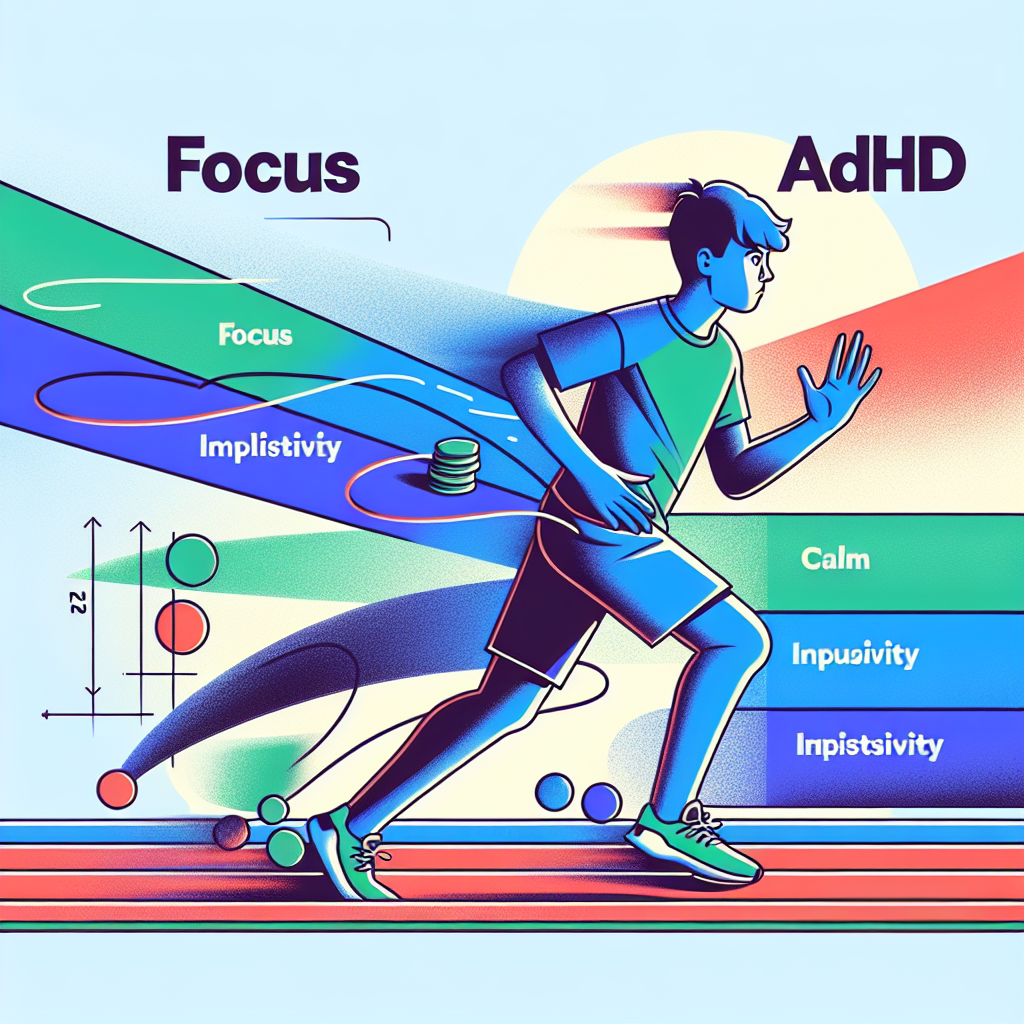
The PE-ADHD Link: How Movement Supports Focus and Impulse Control
Over the past decade, educators and researchers have become increasingly aware of the growing number of diagnoses of ADHD in children and adolescents. According to the CDC, approximately 6.1 million U.S. children have been diagnosed with ADHD (CDC, 2023). While treatment traditionally focuses on medications and behavior therapies, new studies are drawing attention to a lesser-known but powerful tool — physical activity.
The emerging connection between physical education and ADHD symptoms shows that the right types and amounts of daily movement can significantly improve focus, behavior, and self-regulation in students with the condition. Ironically, this insight comes at a time when many schools are cutting back on PE programs to prioritize academic instruction — a decision that may be particularly detrimental for students with attention challenges.
Understanding ADHD: A Neurological Lens on Attention and Behavior
ADHD, or Attention-Deficit/Hyperactivity Disorder, affects brain functioning in a way that leads to inattention, impulsivity, and often hyperactivity. Children with ADHD may struggle to stay on task, follow instructions, or wait their turn. These symptoms can impact school performance, home life, and peer relationships.
According to the CDC, about 9.8% of children aged 3 to 17 have been diagnosed with ADHD (CDC, 2022). It’s important to note that ADHD is not simply behavioral — it’s a neurological condition. This is why medications like Ritalin and Adderall, which help regulate brain chemicals like dopamine and norepinephrine, are typically prescribed to help with focus and impulse control.
However, experts are increasingly recognizing the value of non-pharmaceutical approaches. Dr. Stephanie Walsh, pediatrician and Chief Health Officer at Children’s Healthcare of Atlanta, explains, “We’re seeing more and more value in complementary approaches. Physical activity can naturally mimic some of the brain-boosting effects of ADHD medications.”
For families exploring natural alternatives, structured physical activity can offer a meaningful and accessible support tool. Learn more about ADHD treatments and medications at edrugstore.com.
How Physical Activity Enhances Brain Function
Physical exercise benefits the body — and the brain. Regular movement stimulates brain regions responsible for attention, decision-making, and emotion regulation, especially the prefrontal cortex.
Students with ADHD show measurable improvement in focus and self-control when they engage in moderate to intense aerobic exercise. These activities increase the production of brain chemicals like dopamine and serotonin, mirroring the effects of stimulant medications. A study published in the Journal of Attention Disorders found that even a single aerobic exercise session improved behavior and attention in children with ADHD (Pontifex et al., 2013).
Activities that incorporate rhythm, coordination, and teamwork — such as martial arts, dance, or obstacle courses — are especially effective because they engage both physical and cognitive skills simultaneously.
Scientific Evidence Behind the PE–ADHD Connection
Several studies confirm that daily movement leads to measurable reductions in ADHD symptoms. One Michigan State University study found that children who exercised before school performed better in math, were better able to focus in class, and had fewer emotional outbursts compared to children who did not exercise (Hoza et al., 2014).
In another study from the University of Illinois, children with ADHD who engaged in just 20 minutes of aerobic activity showed better task-switching abilities and reduced distractibility (Pontifex et al., 2013). These improvements occurred almost immediately after exercise, emphasizing its short-term as well as long-term impact.
This body of research strongly supports integrating PE into academic schedules for students with attention challenges. Consistent, structured movement throughout the school day improves cognitive function and classroom behavior.
Why We Can’t Afford to Cut PE
Despite clear evidence of its benefits, physical education time is shrinking in many school districts — often to increase classroom time for test preparation. This may be a misguided approach.
Eliminating or reducing PE can worsen behavioral and learning challenges, particularly for students who rely on movement to help their brains function at their best. Without physical outlets, many students become more disruptive or disengaged — not because they lack discipline, but because their neurological needs are unmet.
Dr. John Ratey, author of Spark: The Revolutionary New Science of Exercise and the Brain, emphasizes that “movement is not a luxury for kids with ADHD — it’s a necessity.” Schools must reconsider policies that deprive students of the proven mental and emotional benefits of consistent physical education.
Actionable Strategies for Parents and Educators
The good news? You don’t need a full gym schedule to support ADHD with movement. Here are practical, research-backed techniques for encouraging more physical activity at home and at school:
1. Frequent Movement Breaks
Short activity breaks during lessons — like jumping jacks, stretching, or hallway walks — boost attention and reduce restlessness.
2. Active Learning Strategies
Incorporate standing desks, educational games, or movement-based lessons. For example, act out historical events or solve math problems using physical gestures to engage both body and brain.
3. Encourage After-School Exercise
Schedule time for sports, martial arts, or outdoor play. These after-school activities support ADHD management by developing teamwork and self-discipline.
4. Practice Mindful Movement
Yoga or tai chi can help children learn self-regulation techniques and calm their minds in high-stress moments.
5. Promote and Protect PE Time
Advocate for physical education in your child’s school by sharing current research and helping administrators understand the impact of movement on learning and behavior.
These tips show that supporting ADHD through physical activity doesn’t require a major overhaul — just thoughtful integration into daily routines.
Conclusion: Movement Matters More Than Ever
The connection between physical education and ADHD highlights how vital it is to support students with both mental and physical strategies. While medication plays an important role for many, using physical activity to improve focus offers a natural and effective option — one without side effects.
As Dr. John Ratey puts it, “Exercise is like medication… without the side effects.” And its benefits extend to all students, not just those with ADHD.
Before reducing PE or overlooking a fidgety student, we should consider: What if movement, not medication, holds the key to better focus and behavior? To explore more about ADHD treatment options and how movement can complement them, visit edrugstore.com.
References
– Centers for Disease Control and Prevention (CDC). (2022). Data and statistics on children’s mental health. https://www.cdc.gov/childrensmentalhealth/data.html
– Hoza, B., et al. (2014). Effects of Physical Activity on Attention and Mood in Children with ADHD. Journal of Abnormal Child Psychology.
– Pontifex, M. B., et al. (2013). Acute aerobic exercise selectively improves neurocognitive function in children with attention-deficit/hyperactivity disorder. Journal of Pediatrics.
– Ratey, J. J. (2008). Spark: The Revolutionary New Science of Exercise and the Brain.
– edrugstore.com. (n.d.). ADHD information and medication options. https://www.edrugstore.com/adhd
