The Performance Anxiety Trap: How to Break Free
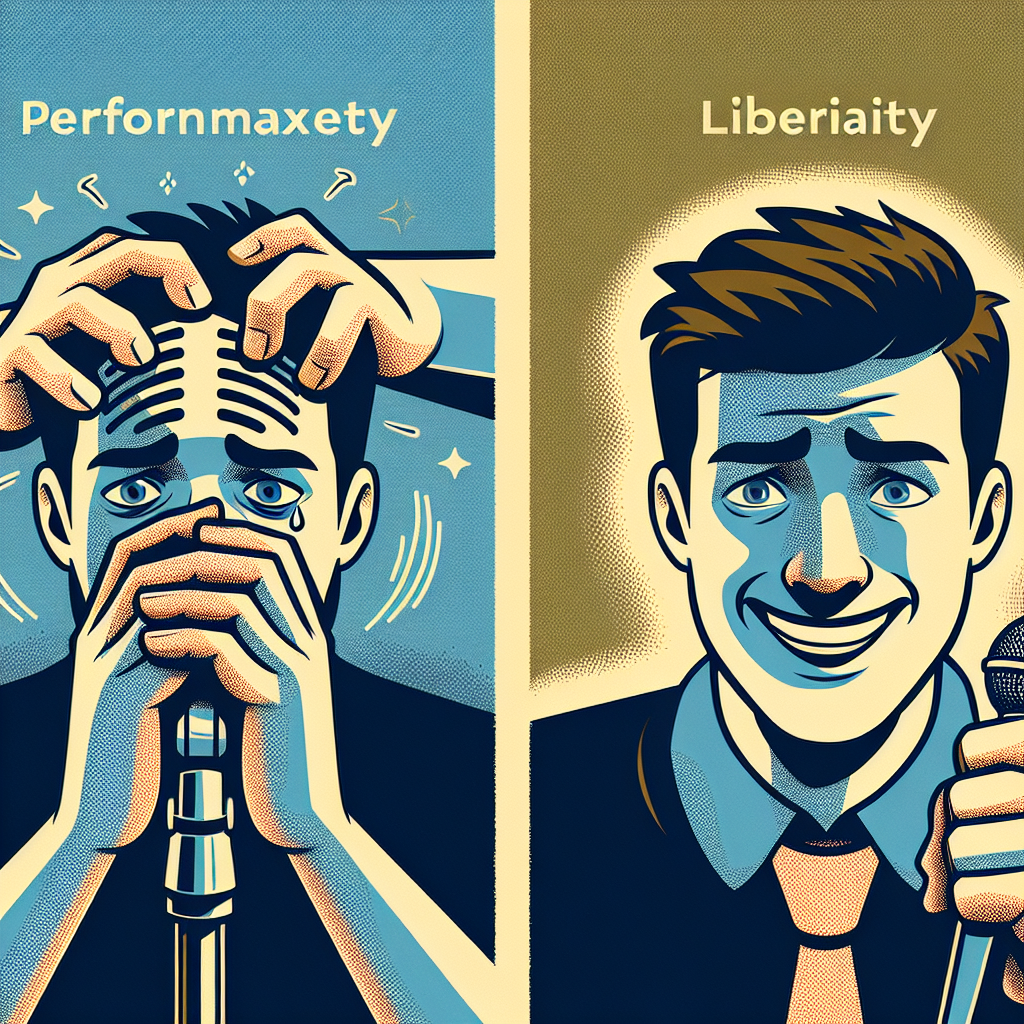
Struggling with anxiety before a big moment? You’re not alone. Performance anxiety in high-pressure situations is a common human experience. Whether it’s a student facing a major exam, an athlete on game day, or a professional stepping up for an important presentation, the same fight-or-flight symptoms often take over: a racing heart, sweaty palms, mental fog, and shaky hands. Ironically, this pressure can interfere with delivering the very performance we care so deeply about.
Psychologist Dr. Sian Beilock, a leading expert on performing under pressure, explains: “When we worry about performing, our attention shifts inward. We start monitoring and second-guessing ourselves instead of executing what we’ve practiced.”
In this article, we’ll take a deeper look into the performance anxiety trap, explore why it’s so common, and—most importantly—share practical, science-supported strategies to help you break free from it.
Understanding the Performance Anxiety Loop
At its core, the performance anxiety loop begins when our desire to succeed becomes overwhelming. Instead of focusing on the process, we start obsessing over outcomes—worrying that we’ll fail, disappoint others, or be judged harshly. This mental shift fuels anxiety and makes it even harder to perform well.
For example, consider a student who thoroughly prepared for an oral exam but gets stuck during the real thing. It isn’t a lack of knowledge—it’s the voice whispering, “Don’t mess up,” that throws them off.
This disconnect is commonly referred to as “choking under pressure,” and studies show that as many as 80 percent of people experience it at some point in their lives.
The trap is clear: we try harder to succeed, yet the pressure disrupts our performance, creating a cycle of anxiety and doubt.
Recognizing the Symptoms of Performance Anxiety
Identifying performance anxiety is the first step in overcoming it. The physical and cognitive symptoms can range from mild to intense and may include:
– Scattered or racing thoughts
– Rapid heartbeat or shallow breathing
– Muscle tension or involuntary twitching
– Dry mouth or excessive sweating
– Inability to focus or concentrate
– Procrastination before important tasks
– Negative self-talk or harsh internal judgment
These responses do more than just make us feel nervous—they actually impact brain function. Research shows that performance anxiety can reduce working memory capacity by over 20 percent, making it harder to recall information or complete familiar tasks under pressure.
The Roots of Performance Anxiety
Why do we fall into this anxiety trap so easily? Several internal and external factors contribute to chronic performance anxiety, such as:
1. Perfectionism: The fear of making a mistake can result in hesitation and avoidance.
2. Social comparison: Continually measuring ourselves against others—especially through social media—intensifies pressure and self-doubt.
3. Outcome obsession: When success is defined solely by winning or impressing others, mistakes become terrifying.
4. Lack of self-compassion: Without empathy for ourselves, even minor setbacks can feel catastrophic.
For example, an employee who fears public speaking may avoid contributing ideas during meetings—not because they lack insights, but because they dread being judged.
According to clinical psychologist Dr. Kristin Neff, “Self-compassion gives us the courage to fail.” By treating ourselves with understanding, we build a foundation for resilience and growth.
How to Overcome Performance Anxiety: 6 Science-Backed Strategies
Breaking free from the high-pressure performance trap starts with changing how we think and how we prepare. Here are six proven strategies to reduce anxiety and build lasting confidence:
1. Focus on the Process, Not the Outcome
Instead of obsessing over results, bring your attention to what you’re doing right now. Athletes often say, “One play at a time,” emphasizing the value of each moment over the final score. Ask yourself: “Am I controlling what I can in this moment?” This process-focused mindset enhances focus and reduces performance pressure.
2. Embrace Imperfection
Trying to be perfect only increases fear. Even the best professionals—actors, athletes, musicians—have stumbled. Rather than aiming for flawless execution, focus on growth and effort. Mistakes are stepping stones, not signs of failure.
3. Reframe Your Inner Dialogue
Transform fearful thoughts into empowering affirmations. Replace “If I fail, everyone will think I’m not good enough” with “I’ve prepared. I trust myself to do my best.” Here are a few affirmations you can practice:
– I trust myself in this moment.
– My worth isn’t defined by this performance.
– Preparation and effort matter most.
If you struggle with intense physical symptoms—such as shaking or rapid heartbeat—over-the-counter treatments or prescription beta-blockers may provide short-term relief. Visit eDrugstore.com to explore options. Be sure to consult a healthcare provider before starting any medication.
4. Practice Under Simulated Pressure
Rehearsing in conditions that mimic real-world stress helps desensitize your fears. If you’re giving a speech, present in front of a friend or record yourself. Athletes often use high-intensity drills to simulate game stress. Exposure makes fear more manageable over time.
5. Use Breathing and Grounding Techniques
Slow, intentional breathing can calm physical anxiety symptoms. Try box breathing (inhale 4 seconds, hold 4 seconds, exhale 4 seconds, hold 4 seconds) or the 4-7-8 method (inhale for 4, hold for 7, exhale for 8).
Grounding techniques like naming five things you can see, four things you can touch, three things you can hear, two you can smell, and one you can taste can also help re-center your mind and body.
6. Redefine What Success Means
Move beyond trophies and applause. Ask yourself:
– Did I give my best effort?
– Did I learn and grow from the experience?
– Did I honor my values?
Success isn’t always about the outcome. Personal progress and courage often matter more in the long run.
Final Thoughts: You Are More Than Any Single Performance
Escaping the perfectionism-performance loop requires compassion and mindset shifts. Your value is not determined by one presentation, one audition, one interview, or one competition. You’re a complete and worthy human being—whether you succeed or stumble.
Confidence doesn’t mean believing you’re the best in the room. It means not needing to compare yourself at all.
Remember: replace pressure with presence. Swap self-doubt for self-support. When you shift your mindset and apply these tools, not only can you improve your performance—you’ll also experience greater peace and fulfillment throughout the journey.
If you’ve found these strategies helpful, consider sharing them with a friend, student, or colleague who may be facing their own performance challenges.
Explore More Resources
Need fast-acting relief from physical symptoms of performance anxiety? Visit eDrugstore.com for expert-reviewed treatment options designed to help you feel calmer and more in control. Make sure to speak with your healthcare provider before starting any new treatment.
References
1. Beilock, Sian. Choke: What the Secrets of the Brain Reveal About Getting It Right When You Have To. Free Press, 2010.
2. American Psychological Association. “Why We Choke Under Pressure (and How to Avoid It),” 2021.
3. Harvard Health Publishing. “Mindfulness and Performance Anxiety,” 2020.
4. University of Chicago. “Working Memory and Test Anxiety: Study Reveals Impact of Stress,” 2013.
5. Neff, Kristin. Self-Compassion: The Proven Power of Being Kind to Yourself. William Morrow, 2011.
6. Jones, Graham. “Performance Excellence: Process Over Outcome.” Sport Psychology Today, 2018.
7. eDrugstore.com. “Managing Performance Anxiety: Treatment Options and Advice.” Accessed June 2024.
