
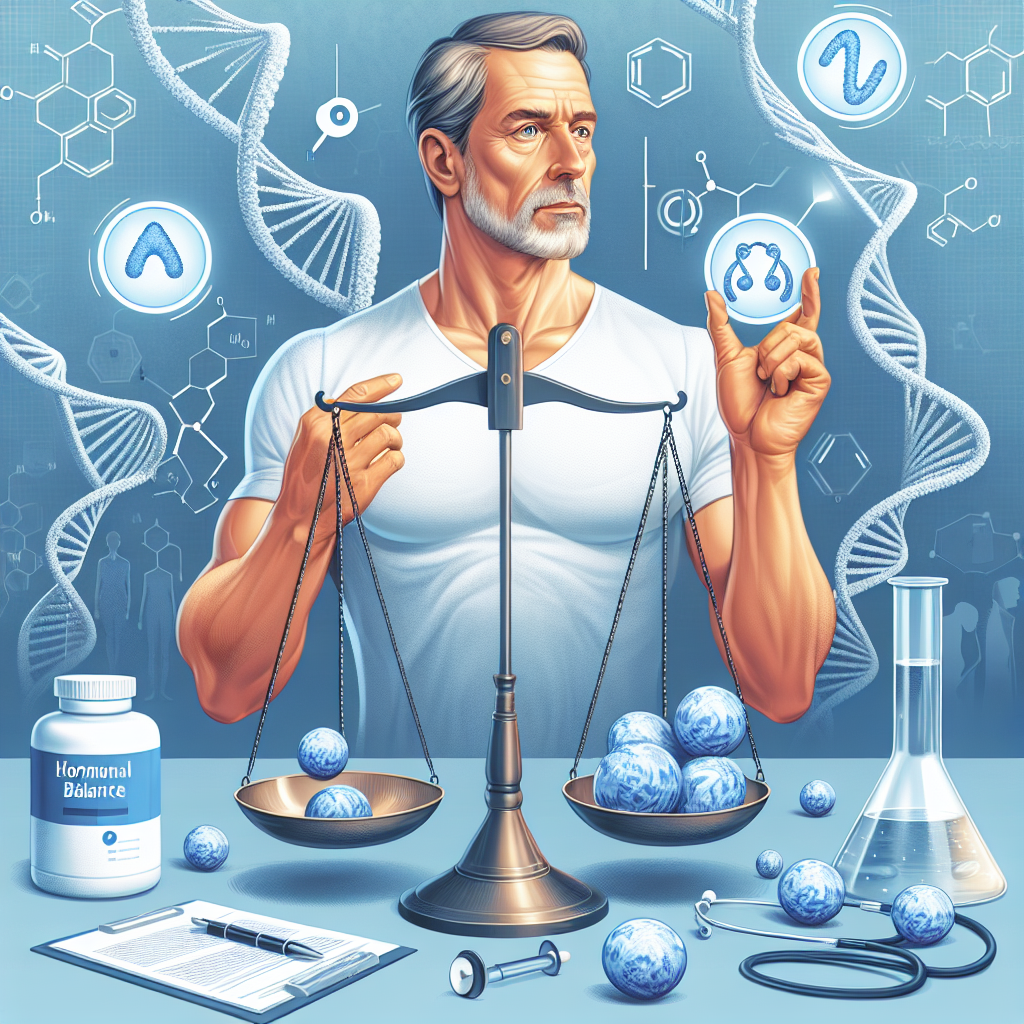
The Role of Estrogen in Male Sexual Health
Testosterone is often considered the primary hormone when it comes to men’s sexual health. It plays a vital role in libido, muscle strength, and energy levels. However, a lesser-known yet equally important component is estrogen. Commonly associated with female biology, estrogen is essential in male bodies too.
This article explores why maintaining a balance between estrogen and testosterone is crucial for men’s sexual well-being. Hormonal imbalance, particularly involving estrogen, may contribute to symptoms like erectile dysfunction (ED), reduced libido, and fatigue.
According to Dr. Alan Bauman, Board-Certified Hair Restoration Physician and hormone specialist, “Men and their healthcare providers should monitor estrogen levels as closely as testosterone, especially when addressing issues like diminished libido or ED.”
Understanding the Function of Estrogen in Men
Men naturally produce estrogen—specifically estradiol—through a process called aromatization, where the enzyme aromatase converts testosterone into estrogen. Although men have lower levels of estrogen than women, this hormone supports several essential physiological processes.
Estrogen contributes to:
– Bone strength
– Mood stability and cognitive function
– Cardiovascular health
– Libido and erectile function
Men with aromatase deficiencies often experience poor growth, low libido, and erectile issues, even when testosterone levels are within normal range.
A review published in the Journal of Clinical Endocrinology & Metabolism found a strong correlation between unbalanced estrogen levels and increased sexual dysfunction in men (Finkelstein et al., 2013). This highlights that hormone harmony, not merely testosterone elevation, is what truly matters.
The Link Between Estrogen and Erectile Dysfunction
Commonly, low testosterone is blamed for erectile issues, but estrogen levels—whether too high or too low—can disrupt sexual performance and desire. Here’s how each imbalance contributes:
High Estrogen Levels in Men
Excess estrogen can disrupt the hormonal feedback loop, signaling the body to reduce testosterone production. This often results from increased aromatase activity due to body fat accumulation.
Symptoms of elevated estrogen levels include:
– Low sex drive
– Muscle loss and weight gain
– Development of breast tissue (gynecomastia)
– Mood instability or depression
– Persistent fatigue
A man may experience ED even with normal testosterone if high estrogen suppresses nitric oxide—a compound vital for achieving and maintaining an erection.
A 2022 study in Sexual Medicine Reviews associated elevated estradiol levels with reduced erectile quality in otherwise healthy men (Huang & Jones, 2022).
Low Estrogen Levels in Men
Although less common, low estrogen can be just as disruptive. It is particularly overlooked in men undergoing testosterone replacement therapy (TRT).
Symptoms of low estrogen include:
– Reduced sexual sensitivity
– Anxiety and depression
– Weakened erections
– Joint pain and bone fragility
A Harvard study published in 2013 found that men receiving TRT who had low estradiol levels did not regain normal libido or erectile function. When estrogen levels were corrected, their sexual health improved significantly (Finkelstein et al., 2013).
Dr. Raymond Moss, a specialist in hormone replacement therapy, states, “Estrogen doesn’t just affect women—it influences every system in a man’s body, including sexual function, energy, and mood.”
Common Causes of Hormonal Imbalances in Men
Hormonal imbalances don’t develop without cause. Several lifestyle and environmental factors can impact hormone production and regulation:
– Age: Testosterone levels naturally decline with age, while aromatase activity may increase, raising estrogen levels.
– Obesity: More adipose tissue boosts aromatase activity, converting more testosterone into estrogen.
– Stress: Elevated cortisol from chronic stress disrupts hormone synthesis and balance.
– Medications and toxins: Certain drugs, alcohol, and environmental xenoestrogens (like those in plastics) interfere with natural hormone regulation.
– Liver function: A compromised liver may fail to metabolize and eliminate excess estrogen effectively.
If you’re experiencing changes in energy, mood, or libido, request a full hormonal panel from your healthcare provider. This should include testosterone, estrogen, and additional markers such as DHEA and cortisol to get an accurate picture.
A Holistic Approach to ED: Focus on Hormonal Balance
A treatment plan focused solely on increasing testosterone might offer temporary symptom relief, but without addressing the broader hormonal landscape, long-term success is unlikely.
Comprehensive hormone testing and interpretation are essential. Estrogen, DHEA, cortisol, and SHBG (Sex Hormone Binding Globulin) levels all influence male sexual health.
Men on TRT may feel great initially, but if estrogen levels climb too high, side effects like water retention, mood swings, or ED may emerge. In such cases:
– Estrogen levels should be consistently monitored during TRT
– Aromatase inhibitors (like anastrozole) may be prescribed to control estrogen
– Over-suppressing estrogen should be avoided, as very low levels can be just as harmful
Dr. Josh Axe, DNM, author of The Men’s Health Protocol, notes, “In hormone optimization, more isn’t always better—balance is the goal.”
How to Naturally Support Hormone Balance
Lifestyle changes can effectively support healthier hormone levels and reduce the reliance on pharmaceutical treatments. Here are some fundamentals:
– Nutritious diet rich in healthy fats and micronutrients
– Regular strength training and cardiovascular exercise
– Maintaining a healthy weight
– Minimizing exposure to endocrine-disrupting chemicals
– Supporting liver health with detoxifying foods like cruciferous vegetables
If you’re facing persistent erectile dysfunction, don’t assume testosterone is the sole issue. Get a complete hormonal analysis and partner with a knowledgeable healthcare provider to develop a personalized approach.
Conclusion: Estrogen’s Essential Role in Men’s Sexual Wellness
Though estrogen isn’t typically the focus of male health conversations, it’s a critical factor in maintaining energy, sexual vitality, and overall well-being. Rather than just aiming to increase testosterone, the real goal should be hormonal balance.
Optimizing both testosterone and estrogen through informed testing, medical guidance, and lifestyle improvements can significantly enhance your quality of life.
If you’re ready to take control of your hormonal health, consult with a healthcare professional and start by getting a detailed hormone panel.
Subscribe for Expert Insights
Stay up to date with expert-backed information, practical hormonal health strategies, and proven ED treatments by subscribing to our newsletter. Empower your health journey today with tools and tips you can trust.
References
1. Finkelstein, J. S., et al. (2013). Gonadal Steroids and Body Composition, Strength, and Sexual Function in Men. New England Journal of Medicine, 369, 1011-1022.
2. Huang, H., & Jones, T. (2022). The Impact of Estrogen on Erectile Function in Men: A Review. Sexual Medicine Reviews.
3. The Journal of Clinical Endocrinology & Metabolism: https://academic.oup.com/jcem
4. Harvard Medical School. “Low Estrogen Levels Could Be Behind ED in Men Taking Testosterone.” 2013.
5. edrugstore.com — Resource for men’s health services, including hormone analysis and treatment.
