
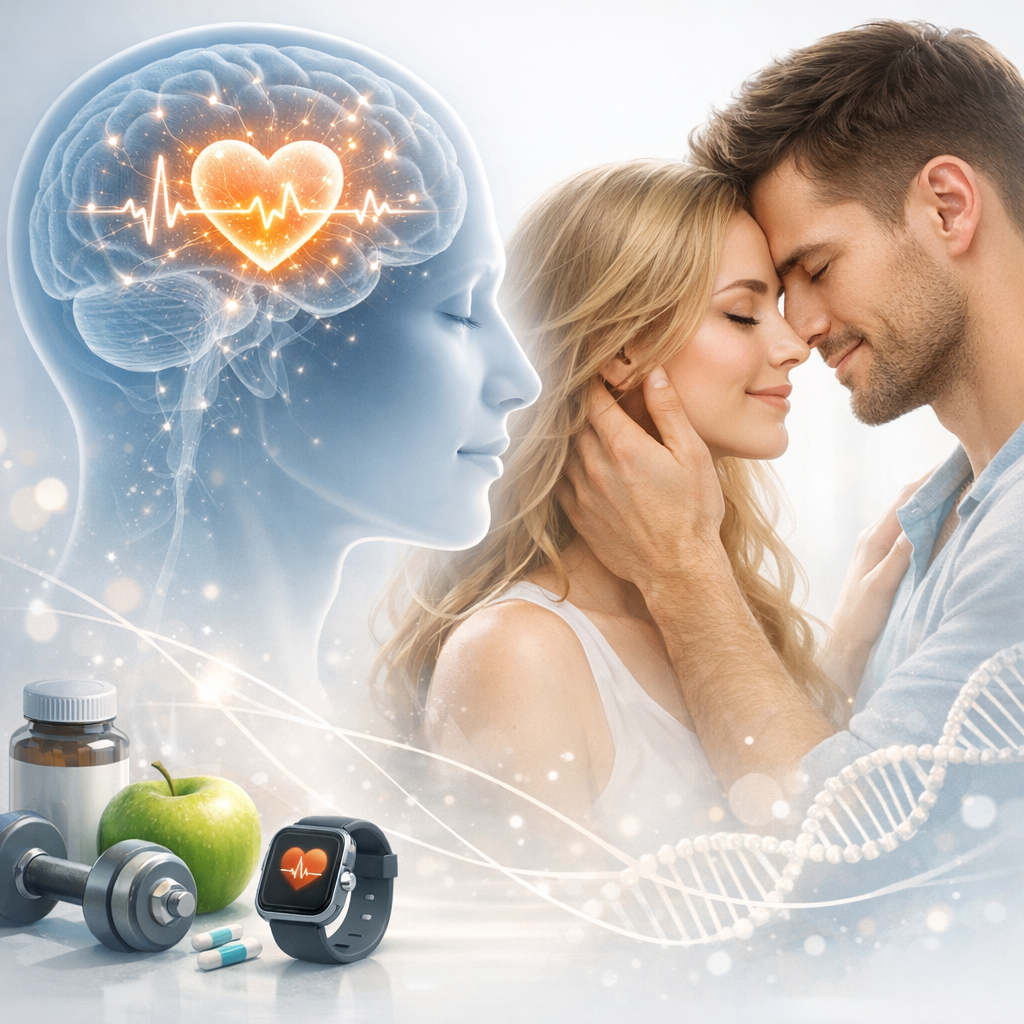
Meta title. The Role of Mental Energy in Sustaining Long Term Attraction
Meta description. Learn how mental energy affects long term attraction, sexual desire, emotional connection, stress, sleep, hormones, and relationship health.
Introduction
Attraction is not only about looks, chemistry, or physical desire. Over time, attraction also depends on mental energy. This means the attention, emotional bandwidth, focus, and motivation you bring into your relationship every day.
When mental energy is high, it is easier to be curious, affectionate, playful, and sexually engaged. When mental energy is low, even a loving relationship can start to feel distant. You may still care deeply about your partner, but feel too drained to connect.
This matters because stress, poor sleep, anxiety, depression, hormone changes, medication side effects, and busy daily schedules can all reduce mental energy. These same factors can also affect libido, mood, communication, and relationship satisfaction. The good news is that many of these issues are treatable with lifestyle changes, therapy, medical care, or telemedicine support.
This article explains the role of mental energy in sustaining long term attraction, how low mental energy affects desire and connection, and what you can do to rebuild emotional and sexual closeness in a healthy way.
What Mental Energy Means in a Relationship
Mental energy is the capacity to think clearly, manage emotions, stay present, and respond with care. In a relationship, it affects how well you listen, show affection, solve problems, and create intimacy.
Mental energy is not the same as love. A person can love their partner but still have low mental energy due to stress, burnout, health problems, or poor sleep. This can lead to less patience, less sexual desire, and fewer moments of emotional connection.
In long term relationships, attraction often depends on repeated small moments. These include eye contact, kindness, humor, touch, shared activities, and honest conversation. All of these require some level of focus and emotional availability.
When mental energy is consistently low, couples may slip into autopilot. They may talk only about chores, bills, children, work, or problems. Over time, this can make the relationship feel more like a routine than a romantic partnership.
How Mental Energy Supports Long Term Attraction
Long term attraction is sustained by both emotional and physical connection. Mental energy helps support both.
When you have enough mental energy, you are more likely to notice your partner in a positive way. You may compliment them, ask better questions, initiate affection, or plan time together. These actions help keep attraction alive.
Mental energy also supports sexual desire. Desire is not only a physical response. It is influenced by mood, stress, body image, relationship satisfaction, hormones, medications, and overall health. Cleveland Clinic notes that low libido can be linked to stress, depression, anxiety, relationship conflict, hormone changes, and certain medications. Reference 1.
For many people, desire grows when they feel relaxed, emotionally safe, and mentally present. If your mind is overloaded, your body may have a harder time shifting into desire, arousal, and pleasure.
Mental energy also helps couples stay curious. Research published in PubMed has shown that couples who participate in novel and exciting activities together may experience increases in relationship satisfaction. Reference 2. Novelty does not have to be extreme. It may be as simple as trying a new restaurant, taking a class, walking a new trail, or changing the way you spend time together.
Signs Low Mental Energy May Be Affecting Attraction
Low mental energy can show up in subtle ways. It may look like boredom, irritability, low libido, or emotional distance. Sometimes people mistake these signs for a loss of love, when the real issue is exhaustion or untreated stress.
Common signs include.
- Feeling too tired to talk at the end of the day.
- Less interest in sex or physical affection.
- More irritability or impatience with your partner.
- Difficulty being present during conversations.
- Feeling emotionally numb or disconnected.
- Avoiding date nights, intimacy, or deeper conversations.
- Thinking of your partner mainly as a roommate or co manager.
- Reduced motivation to flirt, plan, or show affection.
These symptoms can be temporary, especially during stressful seasons. But if they continue for weeks or months, it may be time to look deeper at sleep, mental health, physical health, hormones, and relationship patterns.
Common Causes of Low Mental Energy
Low mental energy can have many causes. Often, several factors happen at once.
Sleep is one of the biggest factors. The CDC reports that about one in three adults in the United States does not get enough sleep. Reference 3. Poor sleep can affect mood, patience, memory, hormones, and sexual desire.
Stress is another major cause. Mayo Clinic explains that stress can affect the body, mood, and behavior. It can contribute to fatigue, anxiety, sleep problems, irritability, and changes in sex drive. Reference 4.
Mental health conditions can also reduce energy and attraction. Depression may cause fatigue, low motivation, loss of interest, sleep changes, and reduced pleasure. The NIH describes loss of interest and fatigue as common symptoms of depression. Reference 5. Anxiety can also keep the brain in a constant state of alert, making it harder to relax into connection or intimacy.
Other possible causes include.
- Burnout from work or caregiving.
- Unresolved relationship conflict.
- Low physical activity.
- Alcohol or substance use.
- Poor nutrition.
- Chronic pain or medical illness.
- Low testosterone in men.
- Perimenopause or menopause in women.
- Thyroid disease or anemia.
- Medication side effects.
Some medications can affect sexual desire, arousal, orgasm, or erectile function. These may include some antidepressants, blood pressure medications, hormonal medications, and sedatives. The FDA includes sexual side effects in labeling for several medications, including some selective serotonin reuptake inhibitors. Reference 6.
The Mental Load and Why It Matters
The mental load is the ongoing work of remembering, planning, organizing, and managing daily life. This can include scheduling appointments, planning meals, tracking bills, managing family needs, coordinating childcare, or remembering household tasks.
When one partner carries most of the mental load, resentment and fatigue can build. This can reduce emotional warmth and sexual desire. For many couples, attraction improves when both partners feel that life responsibilities are shared fairly.
Reducing the mental load does not mean dividing every task perfectly. It means making the invisible work visible and creating a system that feels fair. This can help free up mental energy for connection, affection, and intimacy.
Stress Hormones, Desire, and Attraction
Stress activates the body response system that helps you react to pressure or danger. In short bursts, this system is useful. But ongoing stress can keep the body in a tense state.
Chronic stress can interfere with sleep, mood, appetite, digestion, and sexual function. Harvard Health explains that stress can affect many systems in the body and may contribute to health problems when it becomes chronic. Reference 7.
Stress can also make partners seem more annoying, less attractive, or less emotionally available. This does not always mean the relationship is failing. It may mean the nervous system is overloaded.
Simple stress reduction skills can help restore mental energy. These include deep breathing, regular movement, time outdoors, therapy, and setting clearer boundaries around work and screen use.
How Sleep Protects Emotional and Sexual Connection
Sleep is one of the most overlooked tools for sustaining long term attraction. Poor sleep affects mood regulation, patience, problem solving, and libido. It can also increase conflict by making small issues feel larger.
Adults generally need at least seven hours of sleep per night, according to the CDC. Reference 3. When sleep is short or disrupted, mental energy drops. This can make it harder to listen well, show affection, or initiate sex.
Healthy sleep habits include.
- Keeping a consistent sleep and wake schedule.
- Limiting alcohol close to bedtime.
- Avoiding heavy meals late at night.
- Keeping the bedroom cool, dark, and quiet.
- Reducing phone and screen use before bed.
- Talking with a clinician if snoring, gasping, or severe daytime sleepiness occurs.
Sleep apnea is a common condition that can cause poor sleep, fatigue, low mood, and sexual health concerns. It is important to seek care if symptoms are present.
Hormones and Mental Energy
Hormones can influence energy, mood, sexual desire, and attraction. In men, low testosterone may cause low libido, fatigue, depressed mood, reduced muscle mass, and erectile concerns. In women, perimenopause and menopause can bring sleep disruption, vaginal dryness, hot flashes, mood changes, and changes in desire.
Hormone changes are normal in some stages of life, but symptoms should still be taken seriously. A healthcare provider may check thyroid function, testosterone, estrogen related symptoms, iron levels, vitamin levels, and other health markers when appropriate.
Hormone therapy is not right for everyone. Testosterone therapy should only be used when testing and symptoms support a diagnosis of low testosterone. It also requires medical monitoring. Menopause hormone therapy may help some women with hot flashes, sleep problems, and vaginal symptoms, but risks and benefits vary by age, health history, and treatment type. Mayo Clinic recommends individualized medical guidance for hormone therapy decisions. Reference 8.
Treatment and Solutions for Rebuilding Mental Energy and Attraction
If low mental energy is affecting your relationship, start with the basics, but do not stop there if symptoms continue. Attraction often improves when health, emotional connection, and daily habits are addressed together.
Helpful lifestyle strategies include.
- Getting seven or more hours of sleep when possible.
- Exercising regularly, even with brisk walking.
- Eating balanced meals with protein, fiber, and healthy fats.
- Reducing excessive alcohol use.
- Setting screen free time for connection.
- Planning low pressure physical affection without expecting sex.
- Sharing the mental load more clearly.
- Adding novelty through new shared experiences.
Therapy can also help. Individual therapy may support depression, anxiety, burnout, trauma, or self esteem issues. Couples therapy can help with communication, conflict patterns, trust, and emotional closeness. Sex therapy may help couples address desire differences, performance anxiety, pain with sex, or avoidance around intimacy.
Medical treatment may be needed when symptoms are linked to a health condition. Options may include.
- Treatment for depression or anxiety, such as therapy or medication.
- Medication changes if a current drug is affecting libido or sexual function.
- Treatment for sleep apnea or insomnia.
- Evaluation and treatment for erectile dysfunction.
- Menopause care, including vaginal estrogen or hormone therapy when appropriate.
- Testosterone evaluation and treatment when clinically indicated.
- Treatment for thyroid disease, anemia, chronic pain, or other medical issues.
For erectile dysfunction, medications such as sildenafil or tadalafil may help some men. These medicines can cause headache, flushing, nasal congestion, indigestion, or dizziness. They should not be used with nitrate medications because the combination can cause a dangerous drop in blood pressure. FDA labeling includes important safety warnings for these medications. Reference 9.
For some premenopausal women with hypoactive sexual desire disorder, FDA approved options such as flibanserin or bremelanotide may be considered. These medications are not right for everyone and can have side effects. Flibanserin can cause dizziness, sleepiness, nausea, fatigue, and low blood pressure, especially with alcohol or certain medications. Reference 10.
Telemedicine can be a useful starting point for many concerns related to mental energy and long term attraction. A licensed healthcare provider can review symptoms, medications, sleep quality, sexual health, mood, and hormone related concerns. They can also order lab testing when needed or refer you to in person care if symptoms suggest a more complex condition.
Seek prompt medical care if low energy comes with chest pain, shortness of breath, fainting, thoughts of self harm, sudden mood changes, severe depression, or signs of a serious medical condition.
How Partners Can Rebuild Attraction Together
Rebuilding attraction is not about forcing desire. It is about creating the conditions where desire can return.
Start with honest but kind communication. Instead of saying, you never want me anymore, try saying, I miss feeling close to you, and I want us to understand what is getting in the way.
Small habits can make a big difference.
- Spend ten minutes a day talking without phones.
- Give one sincere compliment daily.
- Share one task that reduces your partners stress.
- Plan one enjoyable activity each week.
- Use affectionate touch without pressure.
- Talk about sex outside the bedroom in a calm way.
Attraction is easier to sustain when both people feel seen, respected, and supported. Mental energy grows when the relationship feels like a safe place rather than another source of pressure.
FAQ
Can low mental energy make me less attracted to my partner
Yes. Low mental energy can reduce emotional availability, patience, curiosity, and sexual desire. This may feel like a loss of attraction, but it can be related to stress, poor sleep, depression, burnout, hormone changes, or relationship strain.
Does stress lower libido
Stress can lower libido in many people. It can affect sleep, mood, hormones, body tension, and emotional connection. Chronic stress may make it harder to relax, feel desire, or enjoy intimacy. Reference 4.
How do I know if low desire is medical or relationship related
It can be both. Medical causes may include depression, anxiety, sleep problems, hormone changes, pain, medication side effects, or chronic illness. Relationship causes may include conflict, resentment, poor communication, or an uneven mental load. A healthcare provider or therapist can help identify the main factors.
Can therapy help restore attraction
Therapy can help when attraction is affected by stress, conflict, anxiety, depression, trauma, communication problems, or sexual concerns. Couples therapy and sex therapy are especially useful when both partners want to rebuild connection.
Can exercise improve mental energy and relationship desire
Regular physical activity can improve energy, sleep, mood, and stress resilience. NIH resources note that physical activity supports many areas of health, including mental health. Reference 11. Better mood and energy may support stronger emotional and sexual connection.
When should I speak with a healthcare provider
Speak with a licensed healthcare provider if low energy, low libido, mood changes, sleep problems, erectile dysfunction, vaginal pain, or hormone related symptoms last more than a few weeks or affect your quality of life. Also seek help right away for thoughts of self harm or severe depression.
Conclusion
The role of mental energy in sustaining long term attraction is often underestimated. Attraction is not only physical. It depends on attention, emotional presence, stress levels, sleep, mood, hormones, communication, and overall health.
If you feel disconnected from your partner, it does not automatically mean the relationship is broken. It may mean your mental energy is depleted or that an underlying health issue needs attention.
Start with sleep, stress management, shared responsibilities, movement, and honest communication. If symptoms continue, consider speaking with a licensed healthcare provider, therapist, or sexual health specialist. With the right support, many people can improve mental energy, rebuild closeness, and create a healthier foundation for long term attraction.
References
1. Cleveland Clinic. Low Libido. www.clevelandclinic.org
2. Aron A, Norman C, Aron E, McKenna C, Heyman R. Couples shared participation in novel and arousing activities and experienced relationship quality. PubMed. www.pubmed.ncbi.nlm.nih.gov
3. CDC. Sleep and Sleep Disorders. www.cdc.gov
4. Mayo Clinic. Stress symptoms, effects on your body and behavior. www.mayoclinic.org
5. NIH, National Institute of Mental Health. Depression. www.nimh.nih.gov
6. FDA. Medication labeling and safety information for antidepressants. www.fda.gov
7. Harvard Health Publishing. Understanding the stress response. www.health.harvard.edu
8. Mayo Clinic. Menopause hormone therapy, benefits and risks. www.mayoclinic.org
9. FDA. Sildenafil and tadalafil prescribing information and safety warnings. www.fda.gov
10. FDA. FDA approved treatments for hypoactive sexual desire disorder. www.fda.gov
11. NIH. Physical activity and health information. www.nih.gov
