
The Thyroid-ED Connection: How Hormone Imbalances Affect Erections
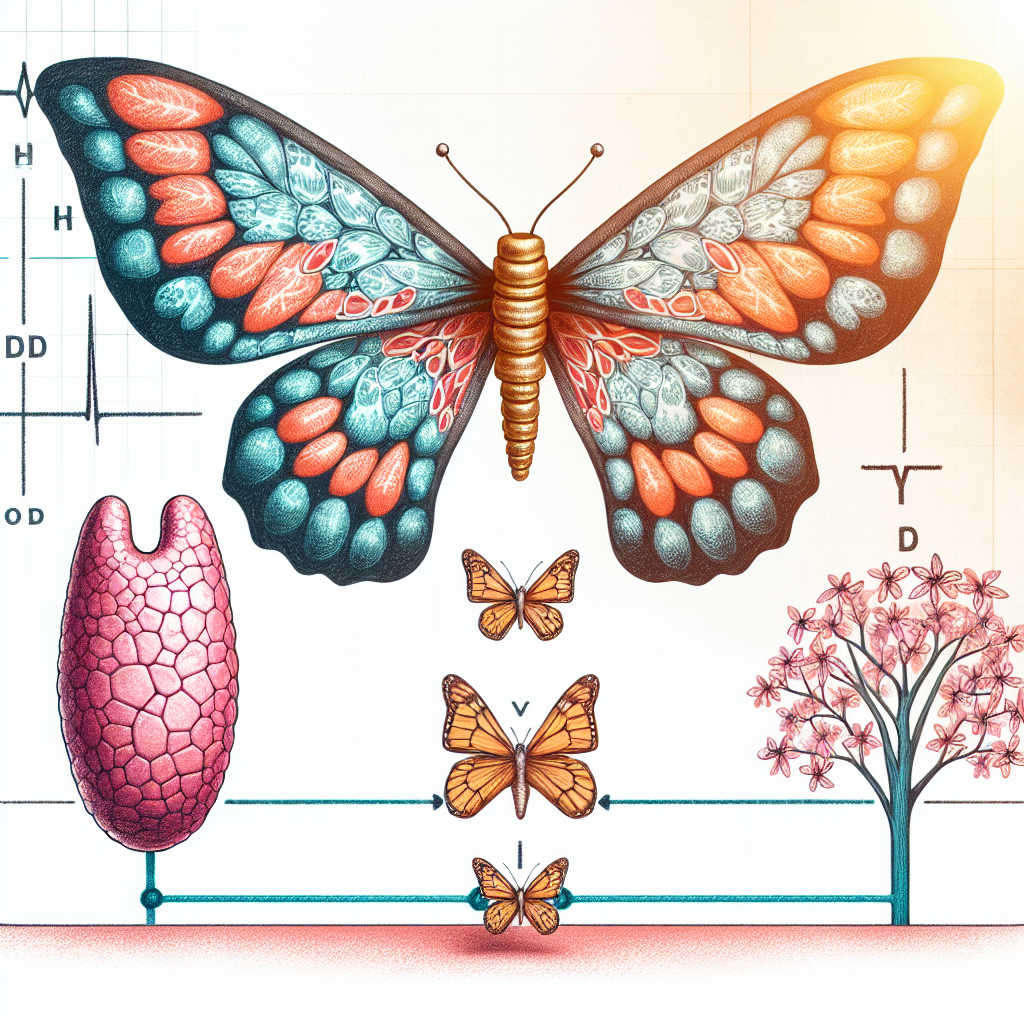
When most people consider the causes of erectile dysfunction (ED), they tend to focus on factors like stress, poor circulation, or low testosterone. However, there is another important—but often overlooked—contributor: the thyroid gland. This small, butterfly-shaped gland at the base of your neck influences a range of essential body functions, from energy and mood to sexual performance.
In this article, we explore the connection between thyroid hormone imbalances and erectile dysfunction to help men better understand this common, treatable health concern.
Understanding the Critical Role of the Thyroid Gland
The thyroid gland is a key part of the endocrine system. It produces hormones like triiodothyronine (T3) and thyroxine (T4), which regulate metabolism, body temperature, heart function, and mental clarity. These hormones also have a major effect on sexual health. When thyroid levels are too high (hyperthyroidism) or too low (hypothyroidism), the results can include fatigue, anxiety, and a decline in sexual performance.
According to the American Thyroid Association, approximately 20 million Americans suffer from some form of thyroid disease—and up to 60 percent of them don’t even know it.
What Is Erectile Dysfunction (ED)?
Erectile dysfunction is the persistent inability to achieve or maintain an erection firm enough for sexual intercourse. While it’s normal for most men to experience occasional ED, consistent issues may indicate an underlying health problem—including hormonal imbalances.
Common erectile dysfunction risk factors include:
– Cardiovascular disease
– Diabetes
– Obesity or poor nutrition
– Emotional stress or anxiety
– Low testosterone
– Hormonal issues such as thyroid dysfunction
Dr. Alex Goodman, an endocrinologist and men’s health expert, emphasizes, “Thyroid hormones have a surprisingly strong influence on male sexual function. Ignoring thyroid health can mean overlooking a treatable cause of erectile dysfunction.”
How Thyroid Dysfunction Affects Sexual Health
A disruption in thyroid hormone levels—whether high or low—can interfere with the hormonal stability needed for sexual performance. Here’s a closer look at how each condition may impact erectile function:
Hypothyroidism (Underactive Thyroid)
When thyroid hormone levels are too low, men can experience symptoms such as low sex drive, erectile dysfunction, and delayed ejaculation. Hypothyroidism may also lead to reduced testosterone production, which can worsen ED.
Example: A 45-year-old man began noticing reduced libido and trouble sustaining erections. Blood tests revealed high thyroid-stimulating hormone (TSH) and low T4—indicators of hypothyroidism. After starting thyroid hormone replacement therapy, his sexual function improved within weeks.
Scientifically, low thyroid levels reduce the body’s ability to produce nitric oxide, a chemical that helps relax blood vessels in the penis and promote blood flow—both essential for achieving an erection.
Hyperthyroidism (Overactive Thyroid)
Too much thyroid hormone can make men feel jittery, anxious, and lead to sleep troubles. These effects can weaken libido and sexual performance. Hyperthyroidism has also been linked to premature ejaculation and difficulties maintaining an erection.
Research published in the Journal of Clinical Endocrinology & Metabolism found that up to 62.5 percent of men with untreated hyperthyroidism experienced premature ejaculation.
Scientific Evidence Behind the Link
Several studies highlight the relationship between thyroid issues and sexual dysfunction:
– A study in the Journal of Clinical Endocrinology & Metabolism reported that men with either type of thyroid disorder had an increased risk of sexual problems, including ED and premature ejaculation.
– Encouragingly, many men saw significant improvement in their sexual function once their thyroid condition was treated effectively.
Dr. Megan Hall, a hormone specialist, notes, “Treatment of thyroid dysfunction frequently leads to improvements in erectile dysfunction. It’s an essential diagnostic consideration for any man presenting with unexplained ED.”
For more in-depth information on ED causes and treatment options, visit edrugstore.com.
Could Your Thyroid Be Causing ED?
The symptoms of thyroid disease vary and are often mistaken for unrelated health issues. If you are experiencing ED in addition to the following symptoms, ask your doctor for a thyroid function test:
– Chronic fatigue and low energy
– Unexpected weight gain or loss
– Intolerance to cold or heat
– Depression or heightened anxiety
– Hair thinning
– Irregular or fast heartbeat
– Fertility problems
– Loss of sexual desire
Diagnosis is fairly simple and involves a blood test that measures TSH, T3, and T4 hormone levels. These results can determine if your thyroid is underfunctioning or overfunctioning.
Treating ED Caused by Thyroid Problems
When erectile dysfunction is rooted in thyroid dysfunction, resolving the underlying hormone issue is often the most effective solution.
1. Address the Thyroid Condition
Treatment may involve medications like levothyroxine for hypothyroidism or methimazole for hyperthyroidism. In more complex cases, referral to an endocrinologist might be necessary for long-term management.
2. Adopt a Thyroid-Friendly Lifestyle
Supporting your thyroid and overall hormone balance can improve your sexual health. Try incorporating:
– Nutrient-rich foods high in iodine and selenium
– Regular physical activity
– Reducing or eliminating smoking and alcohol
– Ensuring consistent, quality sleep (7 to 9 hours per night)
3. Prioritize Mental Health
Hormonal imbalances can trigger emotional and cognitive issues—such as depression or anxiety—that may worsen ED symptoms. Speaking with a licensed therapist or sexual health counselor can help improve both mental well-being and sexual performance.
4. Use ED Medications with Caution
Short-term solutions like Viagra or Cialis can provide temporary relief. These medications are available from trusted sources such as edrugstore.com. However, they should be used under medical supervision, especially if your ED is caused by hormonal imbalance rather than physical damage or vascular issues.
The Final Word: Get Your Hormones Checked
Erectile dysfunction is about more than just blood flow—it often stems from hormonal imbalances, especially undiagnosed thyroid problems. If you’re struggling with ED along with other symptoms like fatigue, weight changes, or mood shifts, getting a full hormone panel (including thyroid tests) can uncover the root of the issue.
Dr. Goodman adds, “Evaluating thyroid function should be a standard step in any investigation of unexplained ED. In many cases, the solution doesn’t lie in ED medications but rather in correcting a hormonal imbalance.”
The bottom line: Your thyroid could be the key to regaining sexual health, energy, and confidence.
Further Reading and Trusted Resources
– American Thyroid Association. (2022). Thyroid Disease Facts & Figures. https://www.thyroid.org/media-main/press-room/
– Journal of Clinical Endocrinology & Metabolism (2005). Sexual Dysfunction in Thyroid Disorders. https://academic.oup.com
– Mayo Clinic. Hypothyroidism and Erectile Dysfunction. https://www.mayoclinic.org
– edrugstore.com – Online resource for ED treatment, medications, and expert advice
Visit edrugstore.com for more information on prescription options and personalized treatment solutions.
