
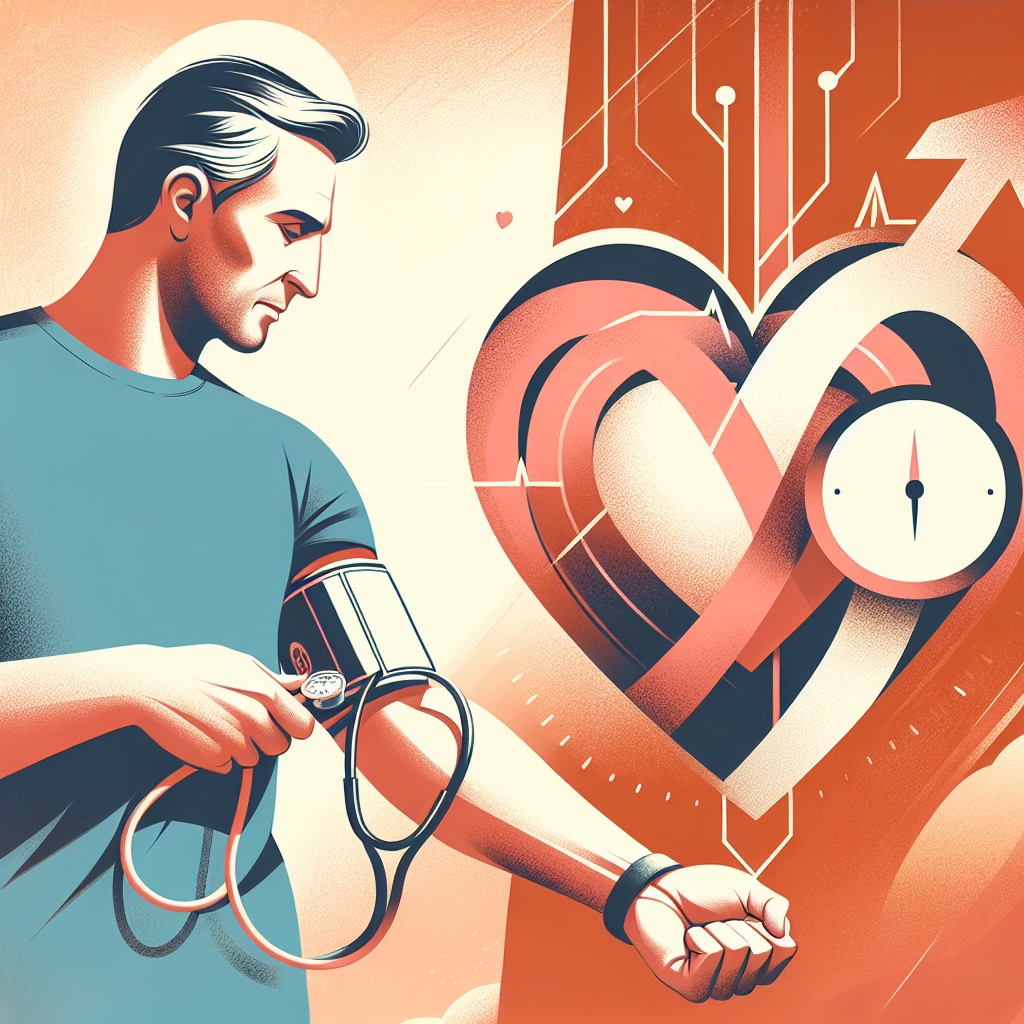
Understanding the Link Between High Blood Pressure and Erectile Dysfunction
Millions of men around the world live with high blood pressure—also known as hypertension—and many are unaware that it’s affecting more than just their heart. Often referred to as the “silent killer,” high blood pressure is associated with serious health risks including stroke, heart disease, and kidney complications. However, one lesser-known but significant issue is its impact on sexual health, specifically erectile performance.
According to the Cleveland Clinic, nearly 30% of men with high blood pressure experience some degree of erectile dysfunction (ED), often without realizing the two may be connected. Gaining insight into how these conditions are related is crucial for maintaining overall health and enhancing quality of life—both in and out of the bedroom.
How High Blood Pressure Affects Blood Flow and Erections
A firm and lasting erection depends on proper blood circulation. When a man becomes sexually aroused, the blood vessels in the penis expand, allowing for increased blood flow that leads to an erection. High blood pressure, however, disrupts this process.
This condition causes the blood vessels to become narrow and less flexible—a problem known as atherosclerosis. Over time, this reduced elasticity hampers blood flow, making it difficult to achieve or sustain an erection.
“Erections are entirely reliant on healthy blood flow,” says Dr. John Mulhall, a urologist at Memorial Sloan Kettering Cancer Center. “When hypertension causes narrowing or hardening of arteries, it almost always impacts sexual performance.”
For instance, men diagnosed with high blood pressure in their 40s may not exhibit outward symptoms, yet damage may already be occurring in their vascular system—including the small arteries responsible for erections.
The Role of Nerves and Hormones in Sexual Health
Erectile function is not solely dependent on blood flow—it also requires a coordinated effort between the brain, nerves, and hormones.
High blood pressure can reduce nerve sensitivity and interfere with the signals sent from the brain to the genitals. As a result, even if you’re mentally aroused, you may struggle to respond physically.
Additionally, men with long-standing hypertension may experience lower levels of testosterone—the primary male hormone. Reduced testosterone can contribute to ED, along with decreased libido, low energy, and mood changes.
“Testosterone plays a vital role in sexual health,” notes Dr. David Penson, a professor of urology at Vanderbilt University Medical Center. “When hormone levels drop, both sexual desire and performance are often significantly impacted.”
Can Blood Pressure Medications Cause ED?
Although managing high blood pressure is essential for your overall health, some medications prescribed to control it can negatively influence your sexual function.
Certain types of medication—such as beta-blockers (like atenolol and metoprolol) and diuretics—have been associated with reduced libido and insufficient blood flow to the penis, leading to ED.
The reassuring news is that not all antihypertensive drugs have this side effect. Medications like ACE inhibitors, ARBs (such as losartan), and calcium channel blockers are generally considered more ED-friendly.
In fact, a clinical study published in The Journal of Clinical Hypertension reported that men who switched from specific beta-blockers to ARBs noticed improvements in erectile function.
It’s important to note that you should never discontinue or switch medications without first consulting your healthcare provider. If you suspect your prescription is affecting your sexual health, ask your doctor about alternative options.
Erectile Dysfunction as an Early Warning Sign
Erectile dysfunction can be more than just a momentary issue—it may serve as a crucial warning sign of underlying cardiovascular problems.
Research indicates that in up to 70% of cases, ED symptoms appear before any other signs of heart disease. This makes ED a potential early indicator of arterial narrowing or cardiovascular trouble.
Take, for example, a man in his 50s who experiences ED without any known heart issues. Behind the scenes, he could be facing undiagnosed vascular disease. Spotting and addressing this warning early could prevent serious complications such as a heart attack in the future.
“ED offers insight into a man’s vascular health—it’s not merely a quality-of-life issue,” explains Dr. Andrew McCullough, a sexual health expert at NYU Langone Health. “Ignoring it is akin to ignoring chest pain.”
If erectile dysfunction is becoming a consistent issue, it might be time to have your blood pressure, cholesterol, and overall heart health evaluated by a doctor.
Effective Strategies to Manage Blood Pressure and Improve Sexual Health
The good news is that both high blood pressure and erectile dysfunction are manageable conditions—and many lifestyle changes can effectively improve both simultaneously.
Here are science-backed strategies that can help:
1. Exercise Regularly
Engaging in 30 minutes of moderate aerobic exercise at least five times per week enhances circulation and supports healthy erectile function—even in men dealing with high blood pressure.
2. Follow a Heart-Healthy Diet
Adopt nutrient-rich diets such as the DASH or Mediterranean plan. These eating patterns, rich in vegetables, fruits, lean proteins, whole grains, and healthy fats, help lower blood pressure and promote vascular health.
3. Maintain a Healthy Weight
Excess weight significantly increases the risk of both hypertension and ED. Losing even 10 pounds can improve energy levels, testosterone balance, and sexual performance.
4. Limit Alcohol and Quit Smoking
Drinking in excess and smoking damage blood vessels and lower testosterone rates. Quitting now can lead to better blood flow and stronger erections in just a few months.
5. Manage Stress Effectively
Chronic stress elevates blood pressure and inhibits sexual arousal. Relaxation techniques such as yoga, meditation, or deep breathing exercises can positively affect your mental and physical health.
6. Consult a Healthcare Provider
If erectile issues persist, talk openly with your doctor. They may recommend ED treatments that are compatible with high blood pressure, such as Viagra or Cialis. Licensed providers like eDrugstore.com also offer discreet consultation and delivery options.
Final Thoughts: Take Control of Your Heart and Sexual Health
You don’t have to accept erectile dysfunction as a consequence of aging or chronic conditions. When high blood pressure and ED symptoms appear together, they’re often signaling an important concern—one that deserves attention.
The bottom line is this: managing your blood pressure goes far beyond reducing your risk for stroke or heart attack. It’s about embracing a healthier lifestyle that supports both your vitality and your intimate relationships.
By recognizing ED as a potential early sign of cardiovascular problems, you empower yourself to take proactive steps towards better health. Begin by having an open conversation with your healthcare provider.
A strong heart supports a satisfying sex life—and ultimately, a more confident and happier you.
Sources
– American Heart Association: “How High Blood Pressure Can Lead to Erectile Dysfunction.”
– Cleveland Clinic: “Erectile Dysfunction and High Blood Pressure.”
– Journal of Clinical Hypertension: “Impact of Antihypertensive Therapy on Erectile Function.”
– National Institutes of Health (NIH): High Blood Pressure Statistics and Facts.
– Mayo Clinic: “Treating Erectile Dysfunction When You Have Heart Disease.”
For more information about safe and discreet ED treatment, explore options through our trusted partner at eDrugstore.com.
