
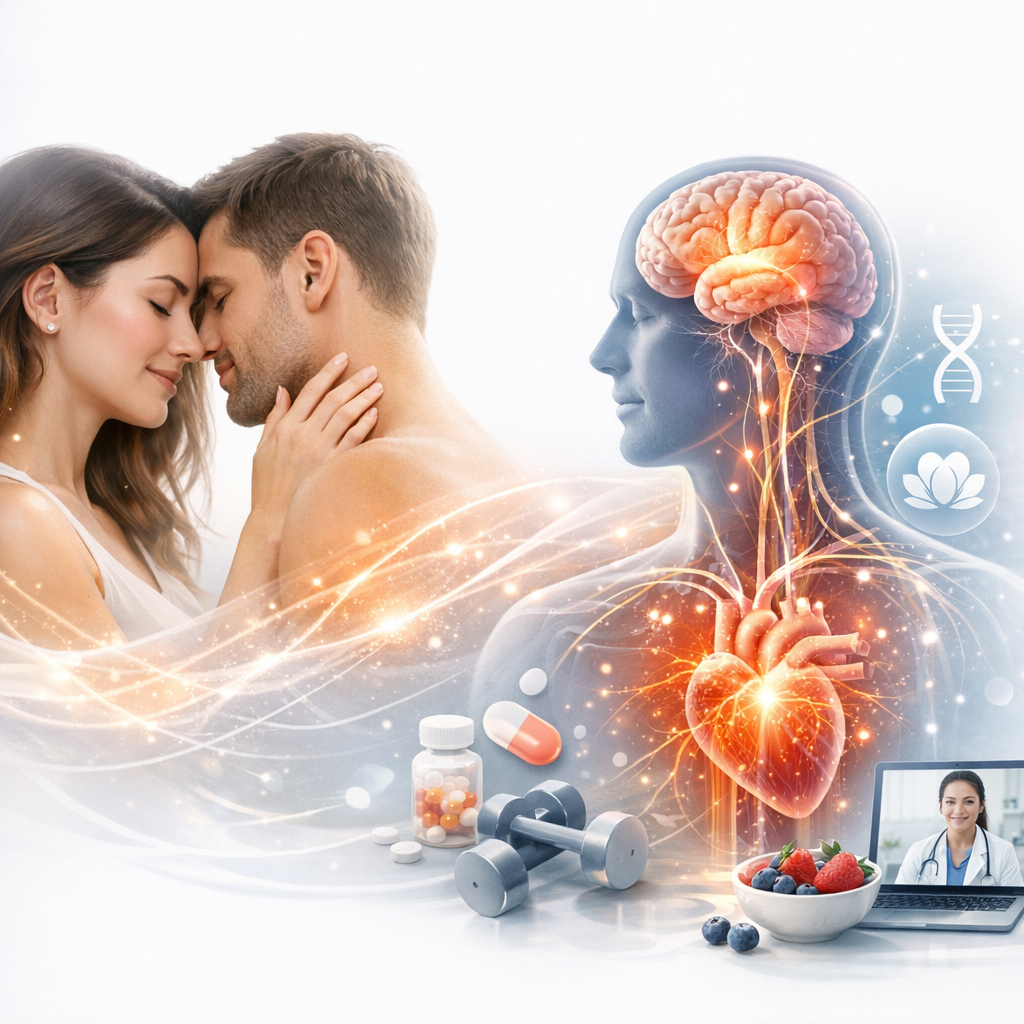
Meta title, Why Desire Is a Psychological Resource, Mental Health, Libido, and Wellness
Meta description, Desire is more than a physical urge. Learn how sexual desire, motivation, stress, hormones, and mental health are connected, and when to seek support.
Introduction
Desire is often treated like a switch in the body. It is either on or off. You have it or you do not. But in real life, desire is more complex than that.
Sexual desire, emotional desire, and motivation are shaped by the brain, the body, relationships, stress, sleep, hormones, medications, and past experiences. This is why desire is a psychological resource, not just a physical response.
When desire is healthy, it can support confidence, connection, pleasure, and overall well being. When desire feels low, inconsistent, or stressful, it may signal that something deserves attention. That does not mean something is wrong with you. It means your mind and body may be under strain.
This article explains why desire is a psychological resource, how mental health and physical health affect libido, what can lower desire, and what evidence based treatment options may help.
What Does It Mean That Desire Is a Psychological Resource
Desire is not only about sexual function. It is also about attention, energy, safety, curiosity, and emotional readiness.
In sexual health, desire often means interest in sexual activity, intimacy, or pleasure. But desire also depends on how safe, connected, rested, and mentally present a person feels. The brain plays a central role in sexual arousal and libido. It processes mood, memory, reward, stress, body image, and relationship signals.
This is why someone can have normal hormone levels and normal blood flow but still feel little or no sexual desire. It is also why desire may return when stress decreases, sleep improves, depression is treated, or emotional connection strengthens.
Medical research supports the idea that sexual desire is influenced by both biological and psychological factors. Large population studies have found that sexual difficulties are common among both men and women, and they are often linked with emotional distress, relationship strain, and health concerns. Reference 1.
Desire Starts in the Brain
The body matters, but desire begins in the nervous system. Brain areas involved in reward, motivation, memory, and emotion help shape whether a person feels open to intimacy.
Several brain chemicals are involved in desire and arousal, including dopamine, serotonin, oxytocin, and norepinephrine. Dopamine is linked with reward and motivation. Serotonin affects mood and can also influence sexual interest. Oxytocin is involved in bonding and closeness.
This helps explain why desire may change during times of stress, grief, depression, anxiety, or major life transition. It also explains why some medications that affect brain chemicals, such as certain antidepressants, can lower libido or make orgasm more difficult. Reference 2.
When we say desire is a psychological resource, we mean that it relies on mental bandwidth. If your mind is overwhelmed by worry, exhaustion, pain, or conflict, there may be less room for desire.
Common Signs That Desire Is Under Strain
Low desire can look different from person to person. It may be temporary, situational, or ongoing.
Common signs include.
- Less interest in sex or intimacy than usual
- Feeling mentally distracted during sexual activity
- Avoiding intimacy because it feels like pressure
- Less pleasure from touch or sexual stimulation
- Feeling emotionally disconnected from a partner
- Loss of sexual thoughts or fantasies
- Distress, guilt, or worry about low libido
Low desire is not automatically a medical problem. Desire changes naturally over time. It may rise and fall with age, stress, health, pregnancy, parenting, menopause, relationship changes, and medications.
It becomes more important to address when it causes personal distress, relationship problems, or a major change from your normal pattern.
Why Stress Can Lower Desire
Stress is one of the most common reasons desire decreases. When the body senses pressure or danger, it activates the stress response. This can increase cortisol and adrenaline. These changes help the body respond to immediate threats, but they can also reduce sexual interest.
Chronic stress can affect sleep, mood, blood pressure, appetite, and energy. It can also make it harder to relax enough for arousal. Harvard Health notes that ongoing stress can disrupt many body systems and contribute to health problems over time. Reference 3.
Desire usually has a better chance to appear when the nervous system feels safe. That is why relaxation, emotional safety, and connection are not extras. They are part of sexual health.
Mental Health and Libido Are Closely Connected
Depression and anxiety can both reduce desire. Depression may lower energy, pleasure, self esteem, and interest in activities that once felt enjoyable. Anxiety can cause racing thoughts, performance concerns, and difficulty staying present.
Mayo Clinic lists loss of interest in sex as a possible symptom of depression. Reference 4.
There is also a two way relationship between sexual health and mental health. Low desire can lead to frustration or shame. Shame can increase anxiety. Anxiety can further reduce desire. This can create a cycle that feels hard to break.
For men, anxiety about erections can lower arousal and worsen erectile dysfunction. For women, anxiety, pain, body image concerns, or past negative experiences can reduce interest and make arousal more difficult.
Addressing mental health is not separate from addressing libido. It is often part of the same care plan.
Hormones Matter, But They Are Not the Whole Story
Hormones can influence desire, but they are only one part of the picture.
Testosterone plays a role in sexual desire for men and women. Low testosterone in men can contribute to lower libido, fatigue, depressed mood, and reduced muscle mass. However, symptoms should be evaluated with lab testing and a medical exam, because low desire can have many causes. Reference 5.
Estrogen changes during perimenopause and menopause can affect vaginal tissue, lubrication, sleep, mood, and comfort during sex. Painful sex can naturally reduce desire. The NIH notes that genitourinary symptoms of menopause can include vaginal dryness and discomfort, which may affect sexual activity. Reference 6.
Thyroid disease, high prolactin, diabetes, obesity, sleep apnea, and chronic pain can also affect libido and sexual function.
Still, normal lab results do not mean desire is imaginary. The brain, body, and relationship context all matter.
Relationship Health Can Support or Drain Desire
Desire is sensitive to relationship dynamics. Many people need emotional safety, respect, and trust to feel open to intimacy.
Desire may decrease when there is.
- Unresolved conflict
- Lack of emotional connection
- Pressure to perform
- Poor communication about sex
- Fear of rejection
- Different levels of sexual interest between partners
- Past betrayal or loss of trust
Desire may improve when partners communicate openly, reduce pressure, and create space for affection that does not always have to lead to sex.
For many couples, desire is responsive rather than spontaneous. This means it may develop after closeness, touch, relaxation, or emotional connection, rather than appearing suddenly out of nowhere. This model is often discussed in sexual medicine, especially in research on women sexual desire. Reference 7.
Physical Health Conditions That Can Affect Desire
Because desire is a psychological resource and a physical experience, medical conditions can also play a role.
Common health related contributors include.
- Depression and anxiety
- Diabetes
- Heart disease
- High blood pressure
- Obesity
- Sleep apnea
- Chronic pain
- Menopause symptoms
- Low testosterone
- Thyroid disorders
- Alcohol or substance use
Erectile dysfunction is common and can influence desire, confidence, and relationship satisfaction. The NIH estimates that erectile dysfunction affects about 30 million men in the United States. Reference 8.
For women, pain with sex, vaginal dryness, pelvic floor dysfunction, and hormonal changes can reduce desire by making intimacy uncomfortable or stressful.
Medications Can Change Sexual Desire
Some medications can affect libido, arousal, erections, lubrication, or orgasm. This does not mean you should stop taking a medication on your own. It means you should talk with a licensed healthcare provider if you notice changes.
Medications that may affect sexual function include.
- Selective serotonin reuptake inhibitors, also called SSRIs
- Some blood pressure medications
- Opioid pain medications
- Some hormonal contraceptives
- Antiandrogen medications
- Some seizure medications
- Some medications used for prostate conditions
The FDA advises patients to discuss medication side effects and safety concerns with a healthcare professional before making changes. Reference 9.
Evidence Based Ways to Support Desire
Because desire has physical, psychological, and relationship components, treatment often works best when it is personalized.
Helpful options may include.
- Medical evaluation, A clinician can review symptoms, medications, labs, and health history.
- Mental health care, Therapy can help with stress, depression, anxiety, trauma, body image, and relationship concerns.
- Sex therapy, A certified sex therapist can help individuals or couples reduce pressure and improve communication.
- Sleep improvement, Better sleep can support mood, energy, hormones, and sexual interest.
- Regular exercise, Physical activity can improve mood, blood flow, energy, and cardiometabolic health. The CDC recommends adults get at least 150 minutes of moderate intensity aerobic activity per week. Reference 10.
- Reducing alcohol and nicotine, Alcohol and tobacco can affect sexual performance, arousal, and overall health.
- Relationship communication, Honest, low pressure conversations can help rebuild emotional safety.
- Treating pain, Vaginal dryness, pelvic pain, and painful erections should be medically evaluated.
Small changes can matter. For example, improving sleep, reducing work overload, treating depression, or setting aside time for nonsexual affection may help desire become more available.
Medical Treatments That May Help
Medical treatment depends on the cause of low desire or sexual difficulty.
For men with erectile dysfunction, common treatments include phosphodiesterase type 5 inhibitors, such as sildenafil or tadalafil. These medications improve blood flow to the penis during sexual stimulation. Common side effects may include headache, flushing, nasal congestion, indigestion, and dizziness. They are not safe for people who take nitrates for chest pain because the combination can cause a dangerous drop in blood pressure. Reference 11.
For men with confirmed low testosterone and symptoms, testosterone therapy may be considered after a medical evaluation. It is not appropriate for everyone. Possible risks include acne, fluid retention, worsening sleep apnea, infertility, and concerns related to prostate monitoring. Treatment should include lab testing and follow up care. Reference 5.
For premenopausal women with acquired generalized hypoactive sexual desire disorder, the FDA has approved certain medications, including flibanserin and bremelanotide. These medications are not right for everyone and can have side effects. Flibanserin may cause dizziness, sleepiness, nausea, fatigue, and low blood pressure, especially with alcohol or certain medications. Bremelanotide may cause nausea, flushing, injection site reactions, and temporary increases in blood pressure. Reference 12.
For menopause related vaginal dryness or painful sex, options may include vaginal moisturizers, lubricants, pelvic floor therapy, vaginal estrogen, vaginal DHEA, or other prescription treatments. These should be discussed with a healthcare provider based on personal risks and medical history. Reference 6.
How Telemedicine Can Support Sexual Health
Many people delay care for low desire because they feel embarrassed. Telemedicine can make it easier to start the conversation from a private setting.
Through virtual care, licensed clinicians may be able to.
- Review symptoms and health history
- Screen for medication side effects
- Order appropriate lab testing
- Discuss erectile dysfunction or low libido treatment options
- Provide menopause or hormone related guidance
- Refer to in person care, therapy, or specialists when needed
Telemedicine is not a shortcut around safety. A good clinician will ask careful questions, review risks, and recommend in person evaluation when symptoms suggest a more serious condition.
Seek urgent or prompt medical care if sexual symptoms occur with chest pain, fainting, severe pelvic pain, new neurological symptoms, sudden erection problems with heart symptoms, or thoughts of self harm.
FAQ
Why does desire come and go.
Desire changes with stress, sleep, mood, hormones, relationship quality, health conditions, and medications. It is normal for libido to vary over time. If the change is distressing or sudden, a medical evaluation can help identify possible causes.
Is low desire always caused by low hormones.
No. Hormones can affect libido, but low desire can also be related to stress, depression, anxiety, relationship strain, pain, poor sleep, medications, or chronic illness. Lab testing may be helpful, but it is only one part of the evaluation.
Can anxiety reduce sexual desire.
Yes. Anxiety can make it difficult to relax, feel present, or enjoy sexual activity. It can also create performance pressure, which may worsen erectile dysfunction, arousal problems, or avoidance of intimacy.
What is the difference between low desire and sexual dysfunction.
Low desire means reduced interest in sex or intimacy. Sexual dysfunction can include problems with arousal, erections, lubrication, orgasm, pain, or satisfaction. They can overlap, but they are not always the same.
When should I talk to a healthcare provider about low libido.
Consider speaking with a licensed healthcare provider if low desire is new, persistent, distressing, affecting your relationship, linked with pain, or happening along with fatigue, mood changes, erectile dysfunction, irregular periods, hot flashes, or other symptoms.
Can lifestyle changes really improve desire.
Sometimes. Sleep, exercise, stress reduction, reduced alcohol use, and better communication can help support desire. However, medical or mental health treatment may also be needed depending on the cause.
Conclusion
Desire is not just a physical urge. Desire is a psychological resource shaped by the brain, body, emotions, relationships, and overall health.
Low desire does not mean you are broken. It may mean your system is tired, stressed, disconnected, in pain, affected by medication, or dealing with a health condition that needs attention.
The most effective approach is not to force desire, but to understand it. That may include improving sleep, reducing stress, addressing relationship pressure, treating depression or anxiety, reviewing medications, checking hormones when appropriate, and getting help for sexual pain or erectile dysfunction.
If changes in desire are affecting your quality of life, consider speaking with a licensed healthcare provider. A thoughtful medical evaluation can help you understand what is happening and what safe, evidence based options may support your sexual health and well being.
References
1. PubMed, Sexual dysfunction in the United States, prevalence and predictors, JAMA, www.pubmed.ncbi.nlm.nih.gov
2. Mayo Clinic, Antidepressants and sexual side effects, www.mayoclinic.org
3. Harvard Health, Understanding the stress response, www.health.harvard.edu
4. Mayo Clinic, Depression symptoms and causes, www.mayoclinic.org
5. NIH, National Institute on Aging, Testosterone and aging, www.nia.nih.gov
6. NIH, National Institute on Aging, Menopause and sexual health, www.nia.nih.gov
7. PubMed, Human sexual response and desire models, www.pubmed.ncbi.nlm.nih.gov
8. NIH, National Institute of Diabetes and Digestive and Kidney Diseases, Erectile dysfunction, www.niddk.nih.gov
9. FDA, Finding and learning about side effects, www.fda.gov
10. CDC, Adult physical activity guidelines, www.cdc.gov
11. Cleveland Clinic, Erectile dysfunction medications, www.clevelandclinic.org
12. FDA, FDA approved treatments for hypoactive sexual desire disorder, www.fda.gov
