
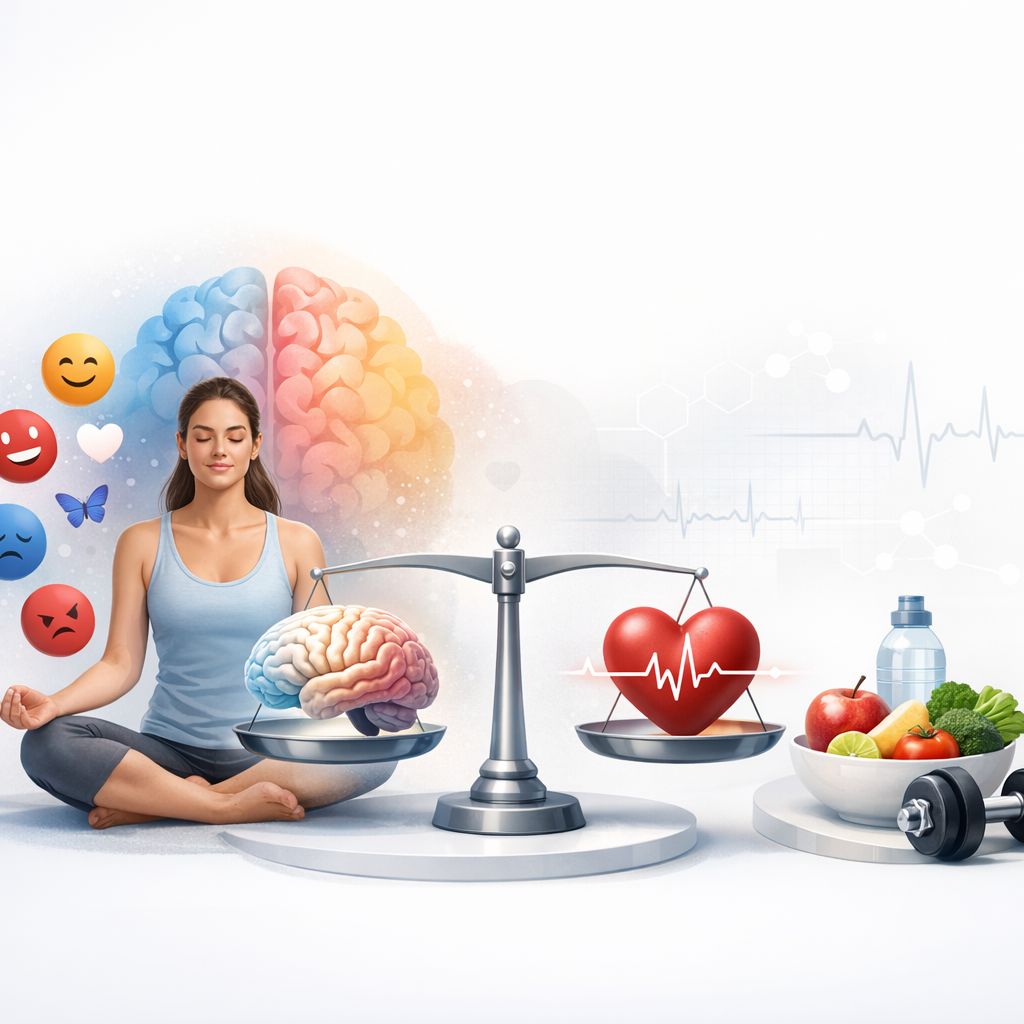
Meta title, Why Emotional Variety Matters More Than Physical Variety for Intimacy and Desire
Meta description, Learn why emotional variety matters more than physical variety in long term intimacy, sexual wellness, desire, relationship satisfaction, and emotional connection.
Introduction
Many people think better intimacy means trying something new physically. New positions, new locations, or new routines may help for a while. But for many couples, the deeper issue is not a lack of physical variety. It is a lack of emotional variety.
Why emotional variety matters more than physical variety is an important question for sexual wellness, relationship health, and mental well being. Emotional connection plays a major role in desire, arousal, trust, communication, and long term satisfaction. Research shows that sexual satisfaction and relationship satisfaction are closely linked, and they often affect each other over time. Reference 1.
This article explains what emotional variety means, why it matters, how it affects desire and intimacy, and what you can do if your relationship or sex life feels routine, disconnected, or stressful.
What Emotional Variety Means
Emotional variety means experiencing a range of positive, safe, and meaningful emotions with a partner. It is not about creating drama or conflict. It is about keeping the emotional connection alive in different ways.
Examples of emotional variety include:
- Feeling playful together.
- Having honest conversations.
- Sharing curiosity and new ideas.
- Feeling admired and appreciated.
- Experiencing tenderness and affection.
- Building trust through vulnerability.
- Trying new activities that create shared memories.
- Feeling desired, respected, and emotionally safe.
Physical variety focuses on what people do with their bodies. Emotional variety focuses on what people feel, communicate, and experience together. Both can matter, but emotional variety often has a bigger impact on long term intimacy because it supports the nervous system, desire, and relationship security.
Why Physical Variety Alone Often Is Not Enough
Physical novelty can be exciting. The brain responds to novelty, and new experiences can increase attention and interest. But physical variety without emotional safety may not solve low desire, sexual boredom, or relationship distance.
For example, a couple may try new sexual techniques but still feel disconnected if they are avoiding hard conversations, carrying resentment, or feeling unappreciated. In those cases, the problem is not only sexual. It is emotional and relational.
Sexual desire is influenced by many factors, including stress, sleep, mood, hormones, medication, body image, relationship quality, and physical health. Mayo Clinic notes that low sexual desire can be related to psychological, relationship, hormonal, and medical causes. Reference 2.
This is why emotional variety matters more than physical variety for many people. A new experience may create short term excitement, but emotional connection helps create lasting desire and closeness.
The Brain, Desire, and Emotional Connection
Sexual desire is not just a physical response. It is also shaped by the brain. The brain processes safety, stress, attraction, memory, reward, and emotional meaning. When a person feels emotionally safe and valued, the body may be more open to arousal and connection.
Stress can interfere with sexual function and desire. The body responds to stress through hormonal and nervous system pathways. Ongoing stress can affect sleep, mood, energy, and sexual interest. The NIH has reported that chronic stress affects multiple body systems and is linked with changes in mood, immune function, and overall health. Reference 3.
Emotional variety can help reduce the feeling of monotony and increase positive connection. It may include laughter, affection, deep conversation, mutual support, shared goals, and novelty outside the bedroom. These experiences can help partners see each other as more than roommates, parents, coworkers, or routine companions.
Emotional Safety Supports Better Intimacy
Emotional safety means you can express needs, limits, fears, and desires without being shamed or punished. This is especially important in sexual wellness. Many people struggle to talk about sex because they fear rejection, embarrassment, or conflict.
When emotional safety is low, people may avoid intimacy, agree to things they do not want, shut down during sex, or stop initiating. Over time, this can reduce desire and increase distance.
Emotional safety can improve intimacy by helping partners:
- Talk openly about what feels good and what does not.
- Share concerns about libido, pain, performance, or body image.
- Set healthy boundaries.
- Recover from misunderstandings faster.
- Reduce pressure around sex.
- Build trust and closeness.
Cleveland Clinic notes that sexual health is affected by physical, emotional, mental, and social well being, not just the absence of disease or dysfunction. Reference 4.
Why Emotional Variety Helps Long Term Relationships
Long term relationships naturally develop routines. Routines can be comforting, but too much predictability may reduce excitement and curiosity. Emotional variety helps partners continue to learn about each other.
Studies on close relationships suggest that couples who share novel and engaging experiences may report higher relationship quality. Reference 5. This does not have to mean expensive vacations or major life changes. Simple shared experiences can help, especially when they create positive emotions.
Examples include:
- Taking a walk in a new neighborhood.
- Cooking a new meal together.
- Asking each other questions you have never asked before.
- Planning a screen free evening.
- Learning a new skill together.
- Sharing one thing you appreciated that day.
- Talking about future goals.
- Revisiting a meaningful memory.
The goal is not constant excitement. The goal is emotional movement. A healthy relationship includes calm, play, closeness, desire, respect, curiosity, and repair after conflict.
Signs You May Need More Emotional Variety
You may benefit from focusing on emotional variety if your relationship or sex life feels physically present but emotionally flat.
Common signs include:
- Sex feels routine or disconnected.
- You rarely have meaningful conversations.
- You feel more like roommates than partners.
- You avoid talking about sexual needs.
- You feel bored even when nothing is wrong.
- You feel unseen, unappreciated, or undesired.
- Physical intimacy happens, but emotional closeness is missing.
- One or both partners feel pressure to perform.
These signs do not mean the relationship is failing. They often mean the relationship needs attention, communication, and new emotional experiences.
Medical and Mental Health Factors That Can Affect Desire
It is important not to blame every intimacy issue on the relationship. Low desire, erectile dysfunction, vaginal dryness, pain with sex, orgasm difficulties, and low energy can have medical causes.
Common factors include:
- Depression or anxiety.
- Chronic stress.
- Poor sleep.
- Alcohol or substance use.
- Diabetes, heart disease, or high blood pressure.
- Hormonal changes, including menopause or low testosterone.
- Pregnancy, postpartum recovery, or breastfeeding.
- Medication side effects, including some antidepressants and blood pressure medications.
- Pelvic pain, endometriosis, prostate issues, or urinary symptoms.
The CDC reports that chronic diseases such as diabetes and heart disease are common in adults and can affect quality of life, energy, circulation, and sexual health. Reference 6.
If intimacy changes are sudden, painful, distressing, or linked with physical symptoms, it is wise to speak with a licensed healthcare provider.
Treatment and Solutions for Better Emotional and Sexual Connection
Improving intimacy often works best when emotional, physical, and medical factors are addressed together. There is no single solution for everyone, but several evidence based options can help.
Helpful lifestyle and relationship strategies include:
- Schedule regular check ins that are not only about problems.
- Practice active listening without interrupting.
- Share appreciation daily.
- Reduce pressure around sex and focus on connection.
- Prioritize sleep, exercise, and stress management.
- Limit alcohol if it affects arousal or performance.
- Try new nonsexual experiences together.
- Discuss sexual preferences, boundaries, and concerns calmly.
Therapy can also help. Couples therapy, sex therapy, and cognitive behavioral therapy may be useful for communication problems, anxiety, low desire, performance pressure, trauma history, or conflict patterns. A trained therapist can help partners build emotional safety and develop practical skills.
Medical treatment may be appropriate when symptoms have a physical cause. For erectile dysfunction, FDA approved medications called PDE5 inhibitors, such as sildenafil and tadalafil, can help some men by improving blood flow to the penis. These medications can cause side effects such as headache, flushing, nasal congestion, indigestion, and dizziness. They should not be used with nitrates because the combination can cause a dangerous drop in blood pressure. Reference 7.
For vaginal dryness or pain related to menopause, options may include lubricants, moisturizers, pelvic floor therapy, or prescription vaginal estrogen when appropriate. Hormone therapy has benefits and risks, and decisions should be made with a qualified clinician. Mayo Clinic and FDA resources recommend individualized treatment based on symptoms, health history, and risk factors. Reference 8.
For low libido, treatment depends on the cause. A clinician may review medications, screen for depression or anxiety, check hormone levels when appropriate, and discuss relationship factors. Some FDA approved medications are available for certain premenopausal women with hypoactive sexual desire disorder, but they are not right for everyone and may have side effects. Reference 9.
How Telemedicine Can Help
Telemedicine can make it easier to discuss sensitive concerns such as low desire, erectile dysfunction, vaginal dryness, hormonal symptoms, premature ejaculation, or relationship related sexual stress. Many people feel more comfortable starting the conversation from home.
Through telemedicine, a licensed healthcare provider may be able to:
- Review symptoms and medical history.
- Identify possible medication side effects.
- Order lab testing when appropriate.
- Screen for anxiety, depression, or sleep issues.
- Discuss safe medication options.
- Refer to sex therapy, pelvic floor therapy, or in person care when needed.
Telemedicine is not a replacement for emergency care or all in person exams. Seek urgent care for chest pain, sudden severe pelvic pain, signs of infection, thoughts of self harm, or sudden neurologic symptoms.
Risks of Ignoring Emotional Disconnection
Ignoring emotional disconnection can allow small problems to become larger ones. Over time, partners may withdraw, avoid sex, build resentment, or seek emotional connection elsewhere. Emotional distance may also worsen anxiety, depression, or low self esteem in some people.
Sexual problems can create a cycle. One partner may feel rejected, while the other feels pressured. Pressure can reduce desire even more. Emotional variety helps interrupt this cycle by shifting the focus from performance to connection.
Harvard Health notes that sexual problems are common and often involve physical, psychological, and relationship factors. Reference 10. This supports a whole person approach rather than focusing only on physical technique.
Practical Ways to Add Emotional Variety This Week
You do not need a major life change to begin. Small actions done consistently can improve emotional closeness.
- Ask one open question each day, such as, What has been on your mind lately.
- Give one specific compliment that is not about appearance.
- Plan one shared activity that is new or slightly different.
- Talk about intimacy outside the bedroom.
- Share one memory that made you feel close.
- Practice affection without expecting sex.
- Discuss one thing that helps you feel emotionally safe.
- Repair conflict by saying what you felt and what you need next time.
These steps can help rebuild curiosity, warmth, and trust. They also show why emotional variety matters more than physical variety when the goal is lasting intimacy.
FAQ
Why does emotional variety matter more than physical variety in relationships.
Emotional variety matters more than physical variety because desire and intimacy are strongly influenced by trust, safety, communication, mood, and relationship satisfaction. Physical novelty may help short term excitement, but emotional connection supports long term closeness.
Can emotional disconnection cause low libido.
Yes. Emotional disconnection can contribute to low libido, especially when it causes stress, resentment, pressure, or lack of safety. Low libido can also be caused by medical issues, hormones, medications, depression, anxiety, or poor sleep, so a medical evaluation may be helpful.
Does physical variety still matter in a healthy sex life.
Physical variety can matter for some couples. Trying new forms of touch, intimacy, or sexual routines may improve interest when both partners consent and feel safe. However, physical variety works best when emotional connection and communication are strong.
How can couples improve emotional variety.
Couples can improve emotional variety by sharing new experiences, having honest conversations, expressing appreciation, being playful, practicing affection, and discussing needs without blame. Couples therapy or sex therapy can help when patterns feel stuck.
When should I talk to a healthcare provider about intimacy concerns.
Talk to a healthcare provider if low desire, pain with sex, erectile dysfunction, vaginal dryness, orgasm concerns, mood symptoms, or hormone related symptoms are persistent or distressing. You should also seek care if symptoms begin suddenly or affect your quality of life.
Can medication help with sexual problems.
Sometimes. Medication may help with erectile dysfunction, vaginal dryness related to menopause, or certain forms of low sexual desire. However, medication is not always the answer. The best treatment depends on the cause, medical history, and relationship factors.
Conclusion
Why emotional variety matters more than physical variety comes down to one key point. Lasting intimacy is not built only on new physical experiences. It is built on emotional safety, curiosity, trust, communication, and shared meaning.
Physical variety can add excitement, but emotional variety helps partners feel seen, desired, and connected. If intimacy feels routine or distant, start with small emotional changes. Ask better questions, share appreciation, try something new together, and talk openly about needs and concerns.
If sexual concerns are persistent, painful, sudden, or linked with mood, hormones, medication, or health conditions, speak with a licensed healthcare provider. Support is available, and a whole person approach can help you understand both the emotional and medical sides of intimacy.
References
1. PubMed, Relationship satisfaction and sexual satisfaction research, www.pubmed.ncbi.nlm.nih.gov
2. Mayo Clinic, Low sex drive in women, www.mayoclinic.org
3. NIH, National Institutes of Health, Stress and health information, www.nih.gov
4. Cleveland Clinic, Sexual health overview, www.clevelandclinic.org
5. PubMed, Novel shared activities and relationship quality studies, www.pubmed.ncbi.nlm.nih.gov
6. CDC, Chronic diseases in America, www.cdc.gov
7. FDA, Erectile dysfunction medications and safety information, www.fda.gov
8. Mayo Clinic, Menopause treatment and hormone therapy, www.mayoclinic.org
9. FDA, Treatments for hypoactive sexual desire disorder, www.fda.gov
10. Harvard Health, Sexual problems and whole person health, www.health.harvard.edu
